Green City: What Would It Really Look Like?
Green City planning has been a hot topic as more people start paying attention to how buildings, neighborhoods, and infrastructure affect everyday life. With the continued increase in spending on green buildings, it’s safe to say we’re heading toward communities that are built to do more with less.
So what would a Green City actually look like?
In simple terms, it would minimize the use of natural resources, create as much energy as it uses, and promote the health and wellness of the people living there. That sounds great on paper, but it only works if the basics are built into the design from the start.
Below are the top factors we think would go into creating a Green City that’s not just impressive, but practical for real people.
Buildings That Achieve Net-Zero
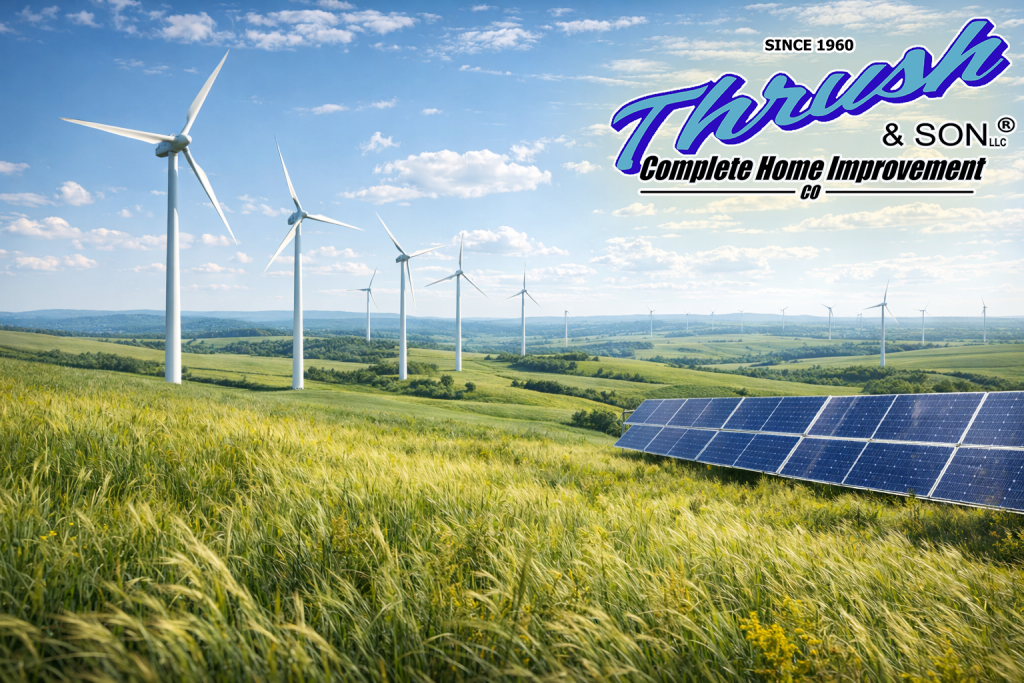
A major building block is Net-Zero energy performance. Net-Zero is achieved when a building creates as much energy as it uses. This can be accomplished in a variety of ways, including improved wall insulation, high-performance windows, better air sealing, smart HVAC design, and thoughtful building orientation.
Solar can play a role too, but it’s not the only way to get there.
The big point is that efficiency comes first — because generating energy is a lot easier when you’re not wasting it. When entire areas start following that model, the overall footprint of a Green City drops fast. For more information on energy-efficient building goals and codes, visit the U.S. Department of Energy Building Energy Codes Program.
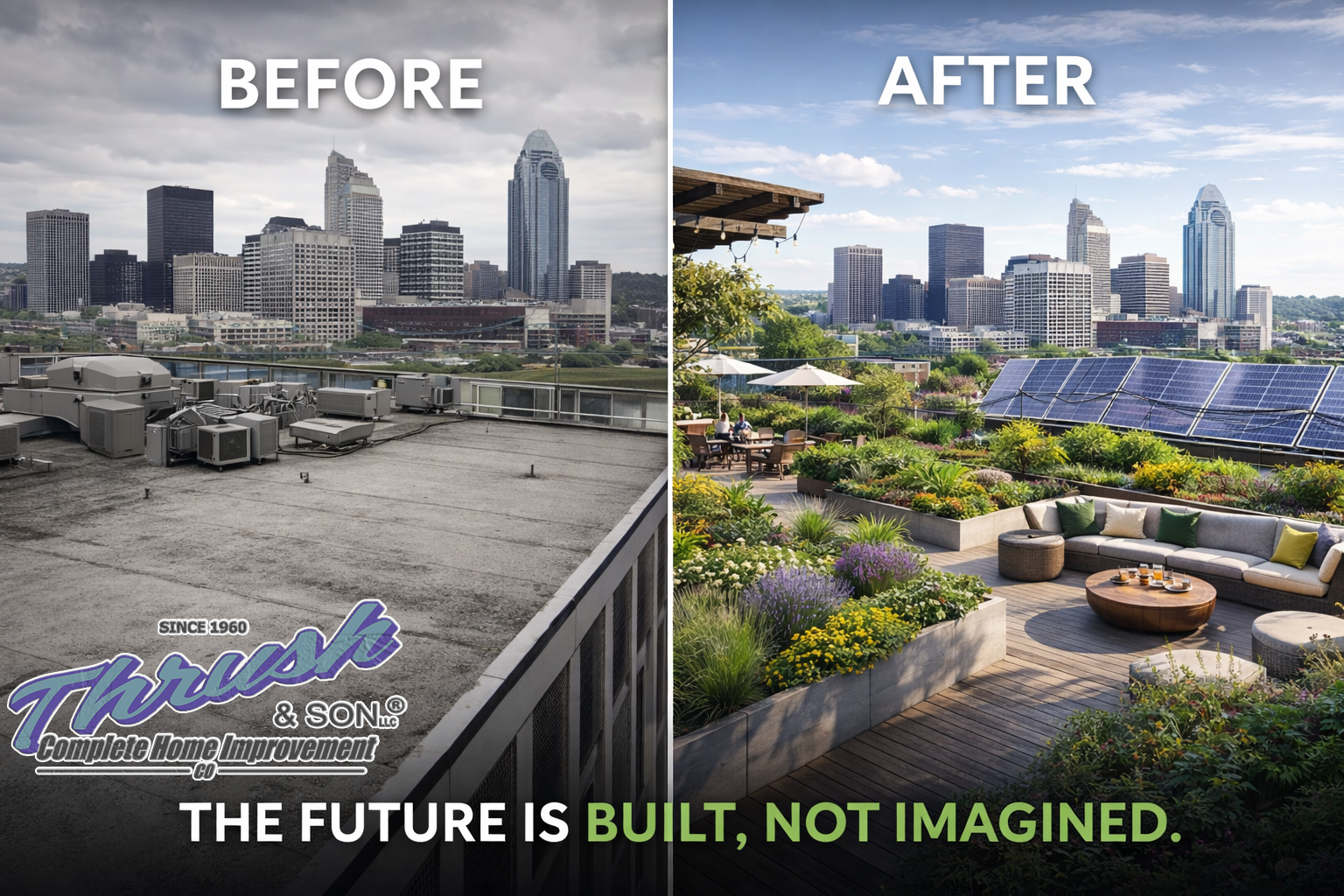
Green Roofs and Living Space Up Top
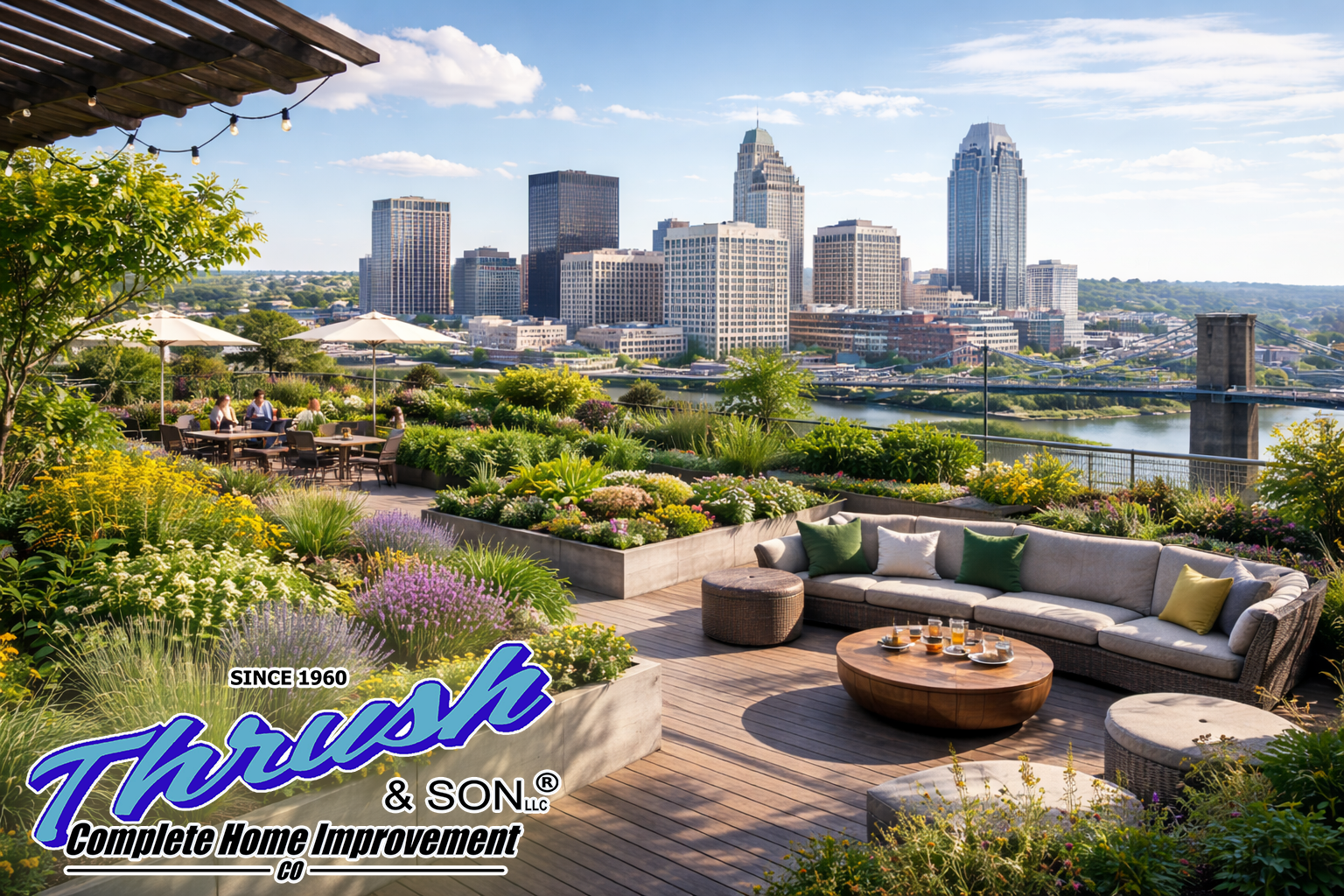
Green roofs are one of the most visible ideas people think of when talking about sustainable design. They trap rainwater, cool down a building, and add real greenery to spaces that are usually nothing but concrete. They also reflect heat and help regulate rooftop temperatures, which can improve comfort inside and reduce strain on mechanical systems.
Another upside is protection.
These systems can reduce UV exposure and temperature swings on the roof surface, which helps extend the lifespan of the materials underneath. In a true Green City, rooftops wouldn’t just be “dead space” — they’d become functional space again.
Minimize Water Usage
Water is a resource we all take for granted until it becomes a problem.
A future-focused city would build conservation into everyday life through smarter plumbing fixtures, better stormwater planning, and intentional reuse where it makes sense. Techniques such as rainwater harvesting and water recycling can help reduce waste and relieve stress on local systems.
Landscaping matters too.
If outdoor areas are designed with the climate in mind, they need less watering and fewer chemicals, and they stay healthier year-round. That kind of thinking keeps a Green City from running itself dry over time.
Local and Recycled Building Materials
The goal is to save resources and reduce unnecessary environmental impact. Recycled building materials help limit waste and reduce the demand for raw extraction. Using local materials also cuts down transportation needs, which lowers fuel use and emissions before the first nail is ever driven.
Material selection isn’t just about being “green.”
It’s also about durability. The longest-lasting materials are often the most responsible, because they don’t need replaced as often, and they reduce long-term maintenance and waste. When materials are chosen wisely, a Green City becomes more resilient and less disposable.
A Solid Recycling Program
A city that wants to stay clean has to make recycling normal and easy. That means better access, clear rules, and real follow-through so waste doesn’t just get dumped somewhere else. Recycling reduces harm to the environment caused by manufacturing and lowers the volume of garbage that ends up in landfills.
It also encourages people to think differently about what they throw away. If you build convenience and consistency into the system, residents actually use it. A Green City isn’t just about what gets built — it’s about the habits and systems that keep it running.
—
What other features would you like to see in a Green City of the future? Do you think this is achievable in our lifetimes, or are we still a long way off?