Pros and Cons: Breaking Down 5 Roofing Materials
Choosing the right roofing material for your home in Dayton, Ohio can be a daunting task, given the various options available and the unique climatic challenges the region presents. This article serves as a comprehensive guide to help homeowners make informed decisions about roofing materials that will not only enhance the aesthetic appeal of their homes but also provide durability and energy efficiency. Here, we will explore Dayton’s climate, essential factors to consider when selecting roofing materials, and a detailed look at the top five roofing materials suited for homes in this area.
Understanding Dayton’s Climate
Temperature Variations
Dayton experiences a humid continental climate, characterized by four distinct seasons. Summers can be warm, with average high temperatures reaching into the 80s Fahrenheit, while winters can be cold and snowy, with lows often dipping below freezing. This temperature variation poses specific challenges for roofing materials, making it crucial to choose options that can withstand both heat and cold effectively.
During transitional seasons, such as spring and fall, homeowners may encounter fluctuating temperatures that can lead to the expansion and contraction of roofing materials. This aspect highlights the importance of selecting a roofing solution that maintains structural integrity and resilience against such temperature swings.
Precipitation Patterns
Dayton receives an average annual precipitation of about 40 inches, with rainfall distributed fairly evenly throughout the year. The region also experiences occasional snow in winter months, which adds another layer of consideration when selecting roofing materials. Proper drainage and effective waterproofing are essential to prevent water-related issues such as leaks or mold growth.
Moreover, the presence of humidity during the warmer months necessitates roofing materials that can resist moisture buildup, which can compromise the longevity of your roof if not addressed appropriately. Therefore, understanding local precipitation patterns is vital for making an informed choice.
Seasonal Challenges
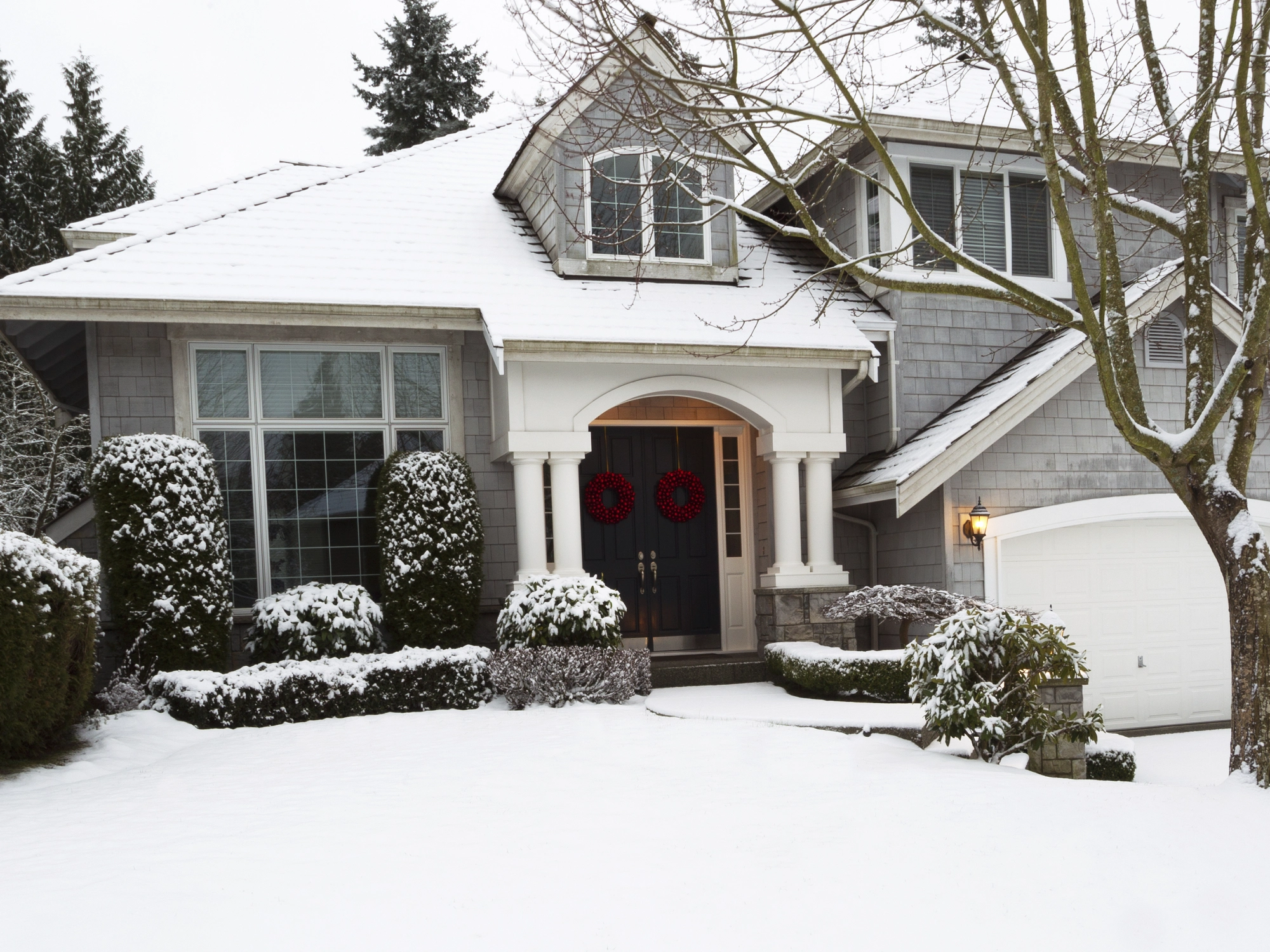
According to the National Weather Service, Dayton experiences a wide range of seasonal conditions that can impact roofing performance. With the dramatic seasonal changes in Dayton, roofing materials must be able to deal with snow accumulation in winter and intense sun exposure in summer. The risk of ice dams forming along the eaves in winter requires materials that are not only durable but also designed for effective snow and ice management. Likewise, high heat and UV radiation in summer necessitate roofing solutions that provide energy efficiency and protection against deterioration.
Evaluating seasonal challenges is critical in determining which roofing option will best suit your specific needs. Homeowners should consider materials with proven performance in similar climates to ensure reliability throughout the year.
Essential Factors to Consider When Choosing Roofing Materials
Durability
Durability is perhaps the most significant factor to consider when selecting roofing materials. In Dayton’s variable climate, materials must withstand significant weather challenges like snow, rain, wind, and UV exposure. Long-lasting materials can save homeowners money in the long run by reducing the frequency of repairs and replacements.
Some materials, like metal roofing, offer exceptional durability, while others may require more maintenance over the years. It’s essential to assess the average lifespan of different materials and their performance records in similar climates to ensure you select a roof that will stand the test of time.
Energy Efficiency
Energy efficiency is increasingly becoming a priority for homeowners, particularly as energy costs rise. Choosing roofing materials with high insulation values can help maintain indoor temperatures, reducing the need for heating and cooling and ultimately lowering energy bills. Reflective roofing materials can also help keep homes cooler during the summer.
Considering energy-efficient options, such as reflective shingles or metal roofs with proper coatings, can enhance comfort levels within your home while contributing to environmental sustainability. Understanding the energy performance of various materials can lead to significant long-term savings.
Cost-Effectiveness
Budget constraints often play a pivotal role in the decision-making process. While it may be tempting to opt for cheaper materials, it’s essential to consider the long-term costs associated with installation, maintenance, and replacements. Some materials may have a higher initial cost but can offer substantial savings over time due to their durability and low maintenance requirements.
It’s advisable to create a comprehensive budget that includes not just the material costs but also the potential expenses for installation, maintenance, and long-term performance. This approach ensures a more rounded evaluation of cost-effectiveness.
Aesthetic Appeal
The visual aspect of your roofing material is also a crucial consideration, as it significantly contributes to your home’s overall curb appeal and market value. Dayton homeowners have a variety of styles to choose from, and selecting a material that complements the architectural style of your home can enhance its attractiveness.
Factors such as color, texture, and design should be evaluated to ensure that your roofing choice harmonizes with other exterior elements. A well-chosen roof can provide not only functional benefits but also aesthetic enjoyment.
Top 5 Residential Roofing Materials
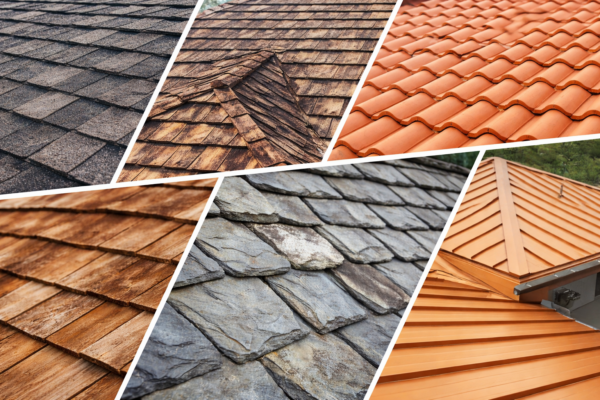
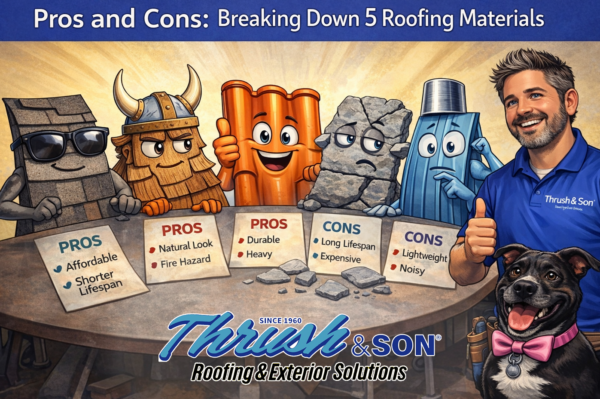
1. Asphalt Shingles
Asphalt shingles are one of the most commonly used roofing materials in the United States, including Dayton. They are favored for their affordability, ease of installation, and variety in styles and colors. Typically, asphalt shingles have a lifespan of 15 to 30 years, depending on the quality of the shingles and weather conditions.
However, they may not be as durable as other materials in extreme weather conditions, such as heavy snow or intense heat. Homeowners should be aware that while asphalt shingles can provide good performance, they may require more frequent replacements compared to more durable materials. The GAF roofing resource center highlights how proper material selection plays a key role in long-term roof performance.
2. Metal Roofing
Metal roofing has gained popularity due to its remarkable durability and energy efficiency. With a lifespan of 40 to 70 years, metal roofs can withstand severe weather, including high winds and heavy snow loads. They are also resistant to rust and corrosion when properly maintained.
Metal roofs can be more expensive upfront compared to asphalt shingles, but their longevity and low maintenance needs often make them a cost-effective choice over time. Additionally, metal roofing reflects solar heat, which helps reduce energy costs during hot summer months.
3. Wood Shakes
Wood shakes can offer a unique, rustic aesthetic that appeals to many homeowners looking to achieve a natural look. Typically made from cedar, these shingles can last 30 to 50 years if properly maintained. However, wood shakes require regular maintenance and treatment to protect against rot, insect damage, and fire hazards.
While they provide excellent insulation and can be energy efficient, the upkeep and potential for degradation in a humid climate like Dayton’s may make wood shakes less appealing for some homeowners.
4. Slate Roofing
Slate roofing is known for its durability and elegance, often lasting over 100 years. It can withstand extreme weather conditions and requires minimal maintenance, making it one of the most durable roofing materials available. Slate also offers a classic appearance that can add significant value to a home.
However, slate is one of the most expensive roofing options and may require additional structural support due to its weight. Homeowners should consider whether their existing structure can support slate before making a selection.
5. Tile Roofing
Tile roofing, particularly clay or concrete tiles, provides a distinctive look and exceptional durability. Similar to slate, tile roofs can last for over 50 years and are highly resistant to harsh weather. They also provide natural insulation, helping to keep homes comfortable year-round.
The initial cost of tile roofing can be high, and like slate, it may require structural considerations due to weight. Nonetheless, their longevity and aesthetic appeal make tile roofs a popular choice for many homeowners in Dayton.
Comparing the Top Choices
Cost Analysis
Based on a 25-square roof with a standard pitch, this includes a one-layer tear-off and installation of dimensional lifetime shingles with all system components.
As seen in the table, asphalt shingles are the most budget-friendly option, while slate and tile roofing represent a higher upfront investment. However, when considering lifespan and potential maintenance costs, materials such as metal and slate may offer better long-term value. Industry data from HomeAdvisor shows roofing costs can vary significantly based on materials and installation quality.
Longevity and Maintenance
When evaluating roofing materials, longevity and maintenance requirements are key factors. Asphalt shingles typically require replacement every 15 to 30 years, often necessitating repairs due to weather damage. Conversely, metal roofing and slate roofing provide superior longevity, often lasting over 40 years with minimal maintenance needed.
Wood shakes require regular maintenance to prevent decay and damage, while tile roofs, although durable, may need occasional repairs due to cracking. Understanding these maintenance requirements aids homeowners in evaluating the total cost of ownership for each material.
Climate Suitability
Climate suitability is paramount when choosing roofing materials. In Dayton’s climate, materials like metal roofing are well-suited for the region’s snowfall and heat due to their durability and energy efficiency. Asphalt shingles can perform adequately, but may not last as long in severe weather conditions.
Slate and tile roofing excel in harsh conditions and can withstand significant weight from snow, making them ideal choices for the winter months. Wood shakes, while aesthetically pleasing, may struggle against moisture and temperature fluctuations, making them less suitable for Dayton’s climate.
Conclusion
Choosing the right roofing material is a significant decision for homeowners in Dayton, Ohio. With the area’s unique climate challenges and various options available, it’s essential to weigh durability, energy efficiency, cost-effectiveness, and aesthetic appeal when selecting materials. Each of the five roofing materials discussed— asphalt shingles, metal roofing, wood shakes, slate roofing, and tile roofing—has its advantages and disadvantages.
Ultimately, the best choice will depend on individual preferences, budget constraints, and the specific challenges posed by Dayton’s weather. Homeowners are encouraged to consult local experts to ensure they select the most suitable roofing option for their needs.
FAQs
What is the most affordable residential roofing materials?
Asphalt shingles are generally the most affordable roofing material, with costs ranging from $3 to $5 per square foot.
How long does metal roofing last?
Metal roofing can last between 40 to 70 years, depending on the type of metal and the quality of installation.
Are wood shakes a good option for humid climates?
Wood shakes can be aesthetically pleasing but may require significant maintenance in humid climates to prevent rot and insect damage.
What roofing material is best for energy efficiency?
Metal roofing and reflective shingles are excellent options for energy efficiency, as they reflect solar heat and help keep homes cooler in the summer.
How often should I replace my roof?
The frequency of roof replacement depends on the material. Asphalt shingles may need replacement every 15 to 30 years, while metal and slate roofs can last much longer.