Understanding Warranties: Costly Mistakes Homeowners Make | Part 2
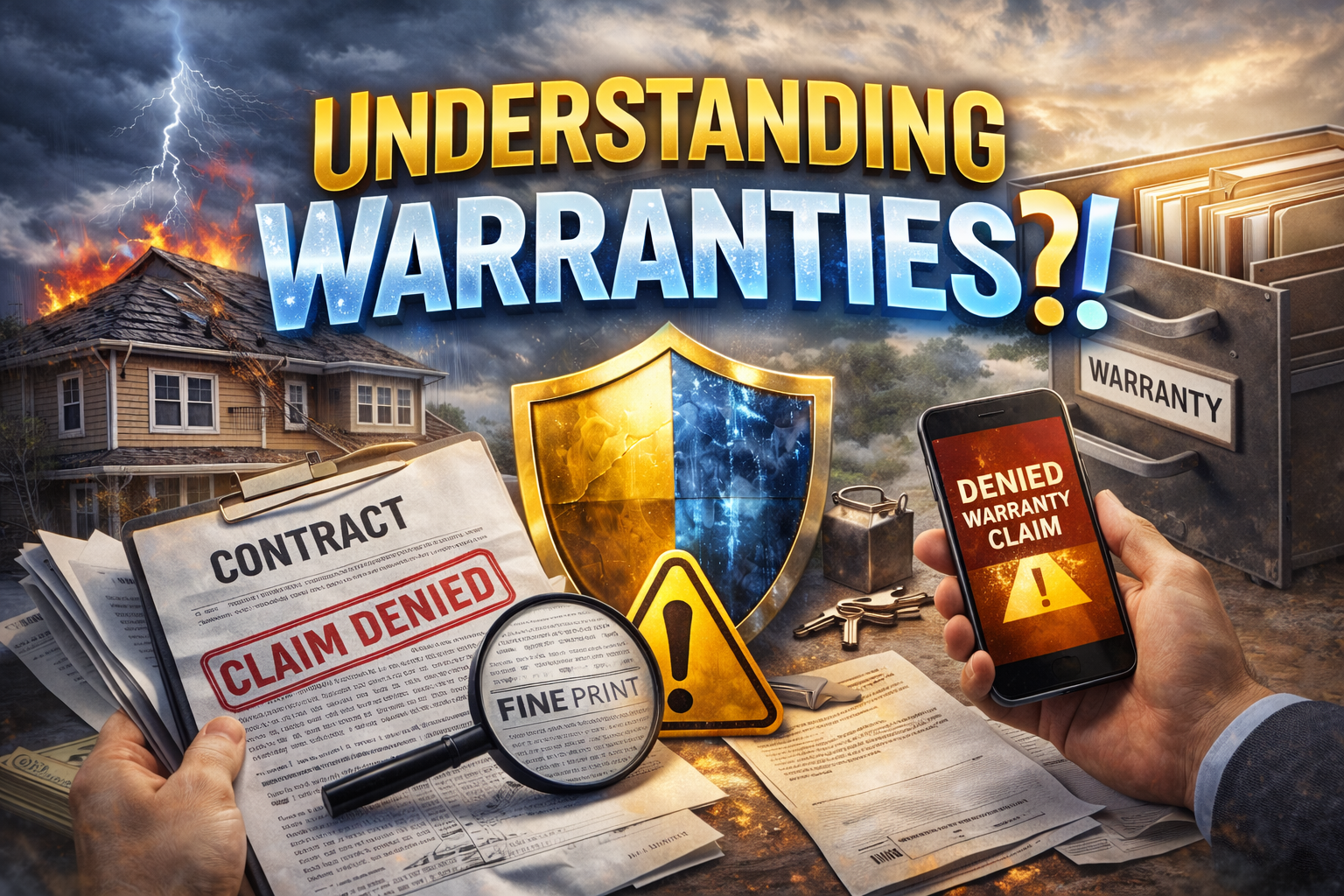
Understanding Warranties is one of the most overlooked—and most misunderstood—parts of a roofing investment. Homeowners often assume a “warranty” means full protection, only to discover limitations when a problem arises. In reality, not all warranties are created equal, and misunderstanding the fine print can lead to denied claims and unexpected expenses.
In Part 2 of this series, we’re breaking down the most common warranty structures, where homeowners get tripped up, and how to avoid costly mistakes before your roof project even begins.
Why Understanding Warranties Matters More Than Ever
Roofing systems are complex. Materials, accessories, ventilation, flashing, and installation methods all work together to protect your home. Understanding warranties means knowing which parts of that system are actually covered—and which are not.
Many homeowners learn too late that a warranty only applies to certain components or only covers defects under specific conditions. A little clarity upfront can prevent major frustration down the road.
Common Roof Warranty Types Homeowners Encounter
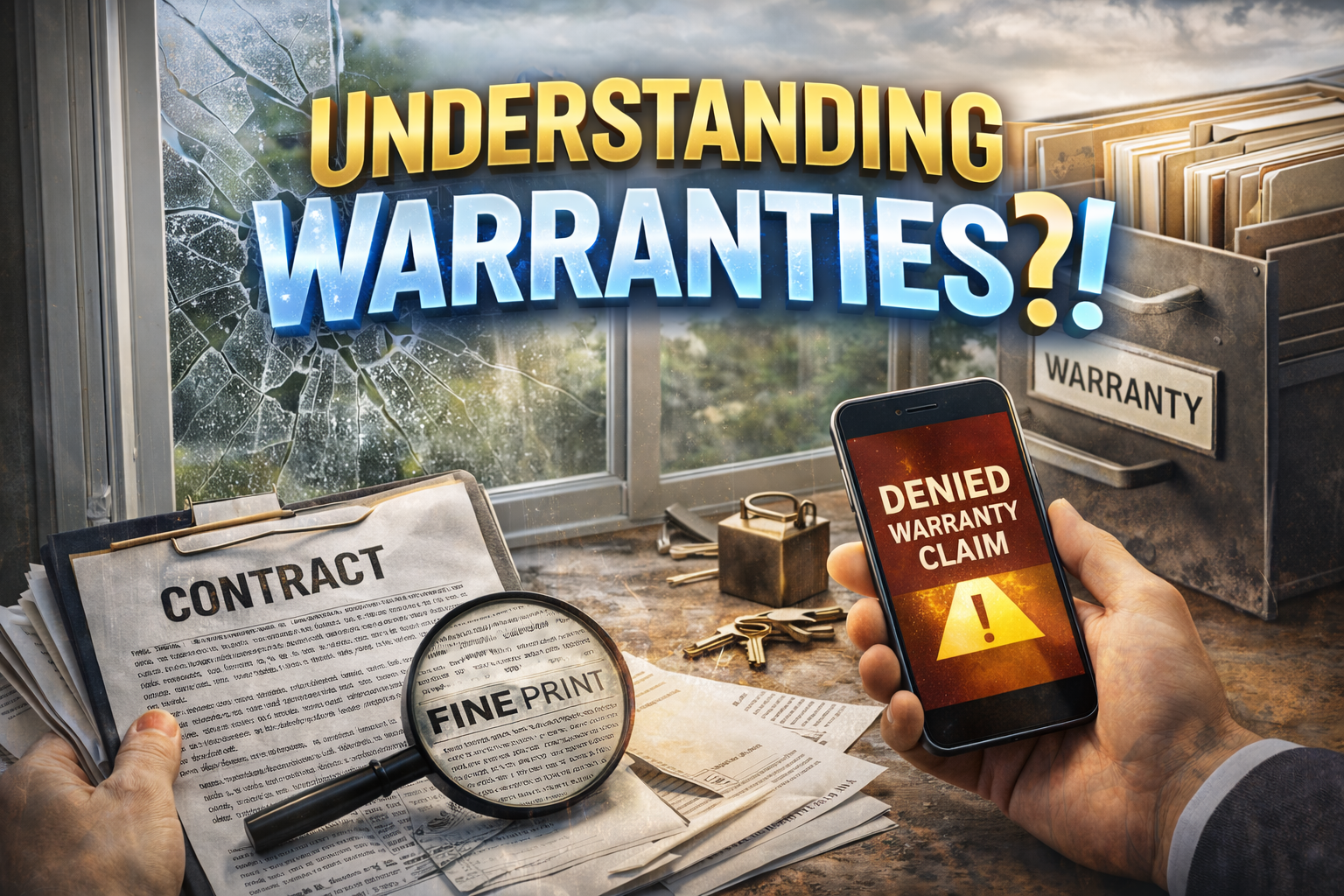
Understanding warranties starts with recognizing the three most common types offered with roofing projects: product warranties, contractor workmanship warranties, and enhanced system warranties. Each serves a different purpose, and none should be assumed to cover everything.
Product Warranties: What They Do—and Don’t—Cover
Product warranties typically cover manufacturing defects in roofing materials. These warranties are usually included at no additional cost and apply only to defects—not installation errors or design issues.
Coverage terms can vary based on the products used and whether compatible accessory components are installed as part of a complete system. Understanding warranties means recognizing that product coverage often excludes labor, tear-off, and disposal costs unless specifically stated. Be sure to read the fine print avoid being another example of costly mistakes homeowners make.
Contractor Workmanship Warranties
This is another example of costly mistakes homeowners make. Some roofing contractors offer their own workmanship warranties to cover installation-related issues. These warranties vary widely in length, coverage, and enforceability. Understanding warranties here means asking direct questions: What’s covered? For how long? And what happens if the contractor is no longer in business?
A workmanship warranty can add value, but it should never be assumed to replace broader system coverage.
Enhanced System Warranties: Broader Protection
Enhanced system warranties typically provide the most comprehensive coverage available. These warranties often require specific materials, installation standards, and certified contractors. While they may come at an added cost, they can offer extended protection that includes both materials and certain installation-related issues.
Understanding warranties at this level helps homeowners see the long-term value of proper installation, complete systems, and verified warranty registration.
Where Homeowners Make Costly Warranty Mistakes
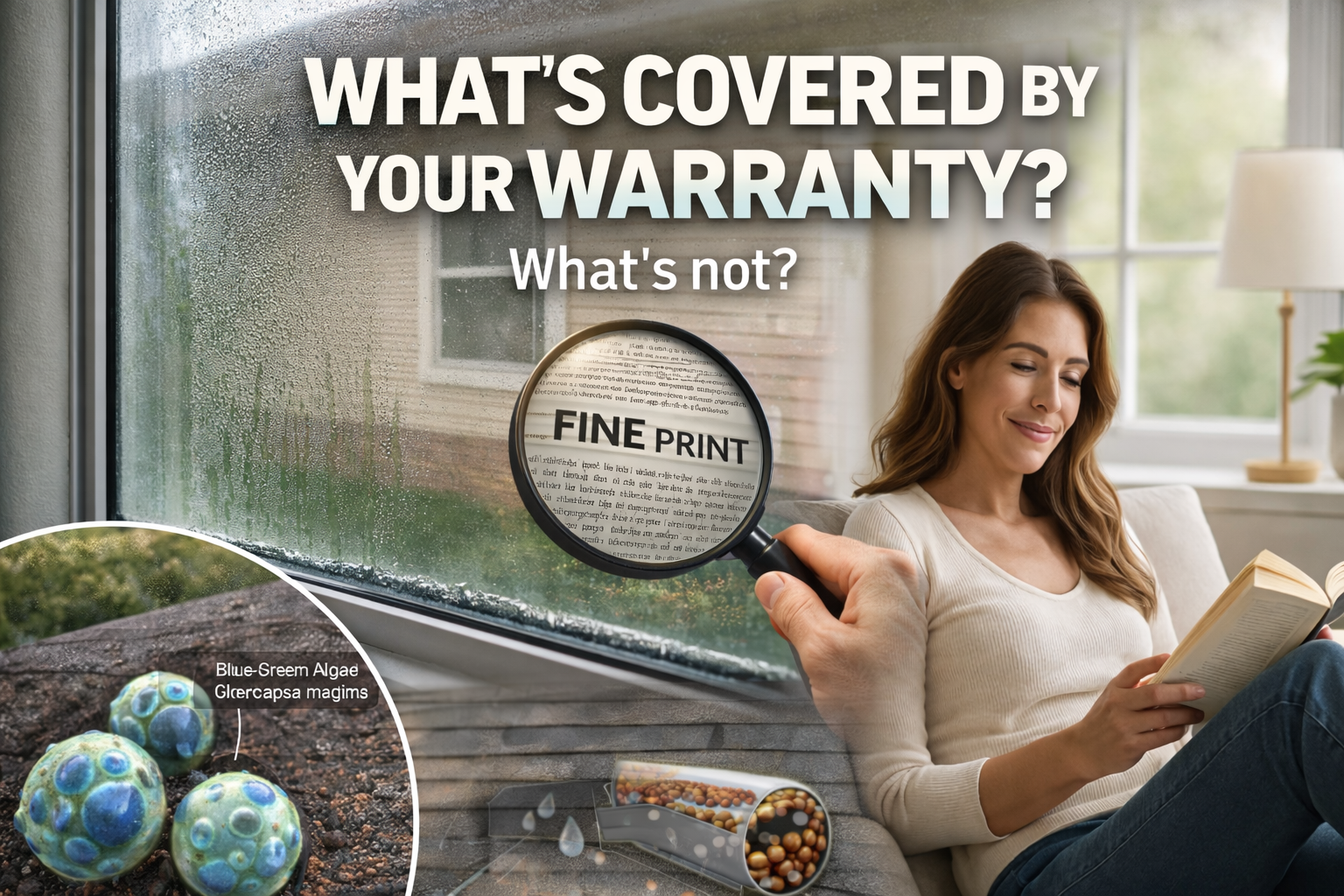
One of the biggest mistakes homeowners make is assuming coverage without reviewing exclusions. Ventilation issues, flashing failures, and improper installation details are commonly excluded when warranty requirements aren’t met.
Roof components like flashing play a critical role in water protection. Learning how elements such as roof flashing function within the system helps homeowners understand why warranties are tied to proper installation and design—not just materials.
How to Protect Your Warranty Eligibility
- Review warranty exclusions with your contractor before work begins.
- Confirm ventilation, flashing, and accessory requirements are met.
- Save all contracts, invoices, and proof of purchase.
- Ensure any enhanced warranty is properly registered after installation.
Understanding warranties also means verifying documentation. If you don’t receive written confirmation of coverage, follow up immediately. Missing paperwork can invalidate protection entirely.
Clarity Today Prevents Conflict Tomorrow
Understanding warranties isn’t about legal fine print—it’s about protecting your investment. When homeowners take the time to understand coverage details upfront, they avoid denied claims, unexpected costs, and long-term frustration.
A warranty should provide confidence, not confusion. The key is asking the right questions before the first shingle is installed.
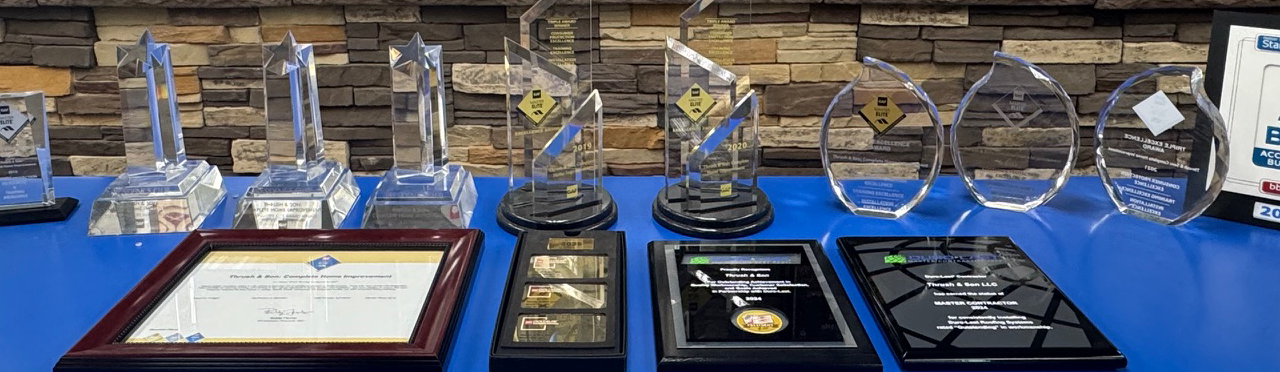
Since 1960, Thrush & Son® has remained a family-owned and operated company built on craftsmanship, integrity, and long-term relationships. What began more than six decades ago has grown into an award-winning exterior renovation leader trusted by homeowners across the Miami Valley. Our longevity isn’t accidental—it’s earned through consistent quality, proven systems, and a commitment to doing the job right. For additional ideas on improving exterior performance year-round, explore exterior home upgrades across the Miami Valley.
🔗 Stay Connected
➡️ Connect with W. Allen Thrush on LinkedIn for leadership & legacy insights.
➡️ Follow Corey Thrush on LinkedIn for innovation and vision.
➡️ Join our homeowner family on Facebook for real stories.
➡️ Explore behind-the-scenes craftsmanship on Instagram.
➡️ Get pro tips and updates on Twitter (X).
➡️ Visit our LinkedIn Business Page for company news, awards, and opportunities.