Insulation terminology is essential for homeowners who want to improve energy efficiency, comfort, and long-term performance. Understanding key insulation terms helps you make smarter decisions when upgrading or maintaining your home.

Common Insulation Terminology Every Homeowner Should Know
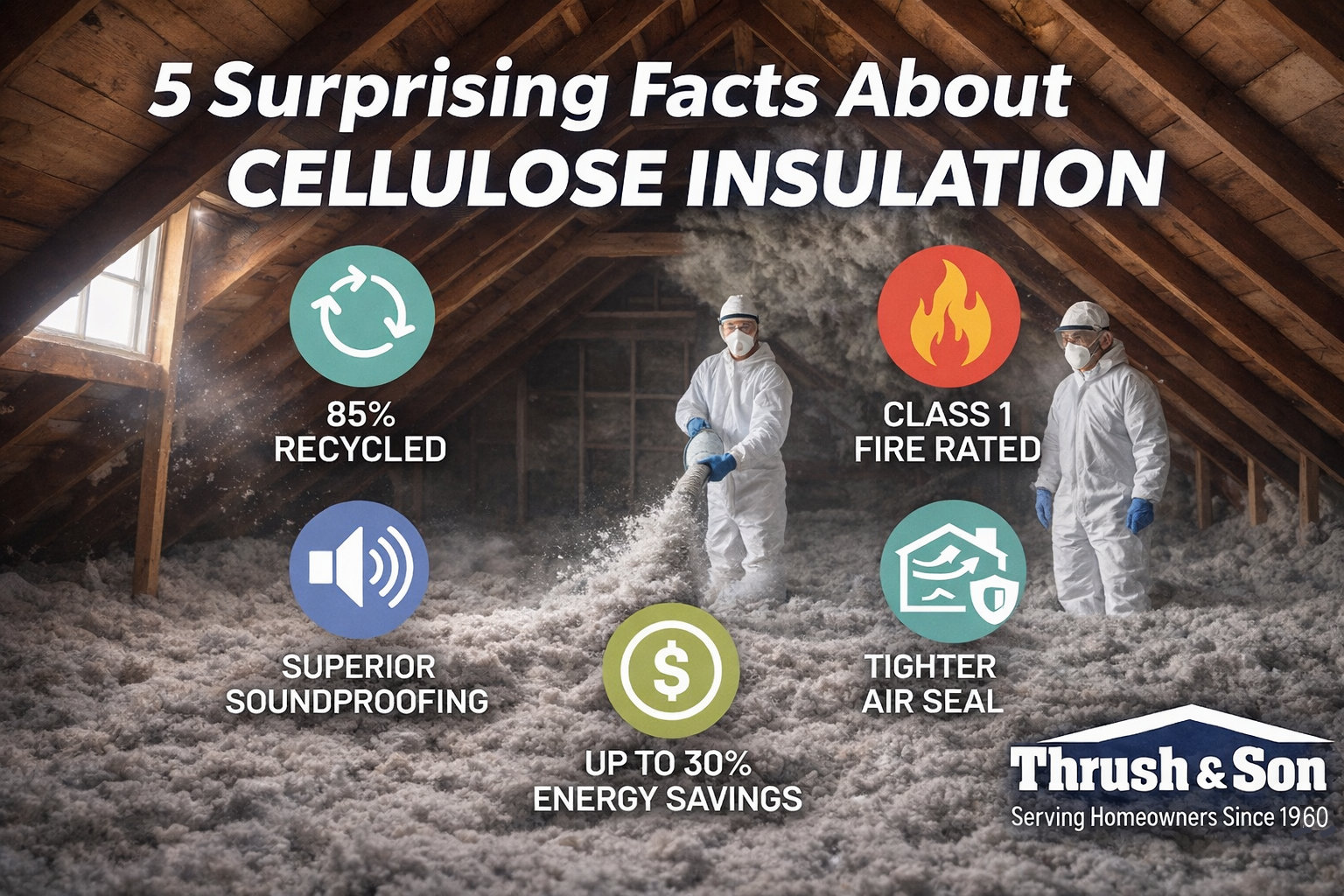
Insulation Terminology: Attic installation of cellulose insulation highlighting five key benefits including recycled material, fire resistance, soundproofing, tighter air seal, and energy savings
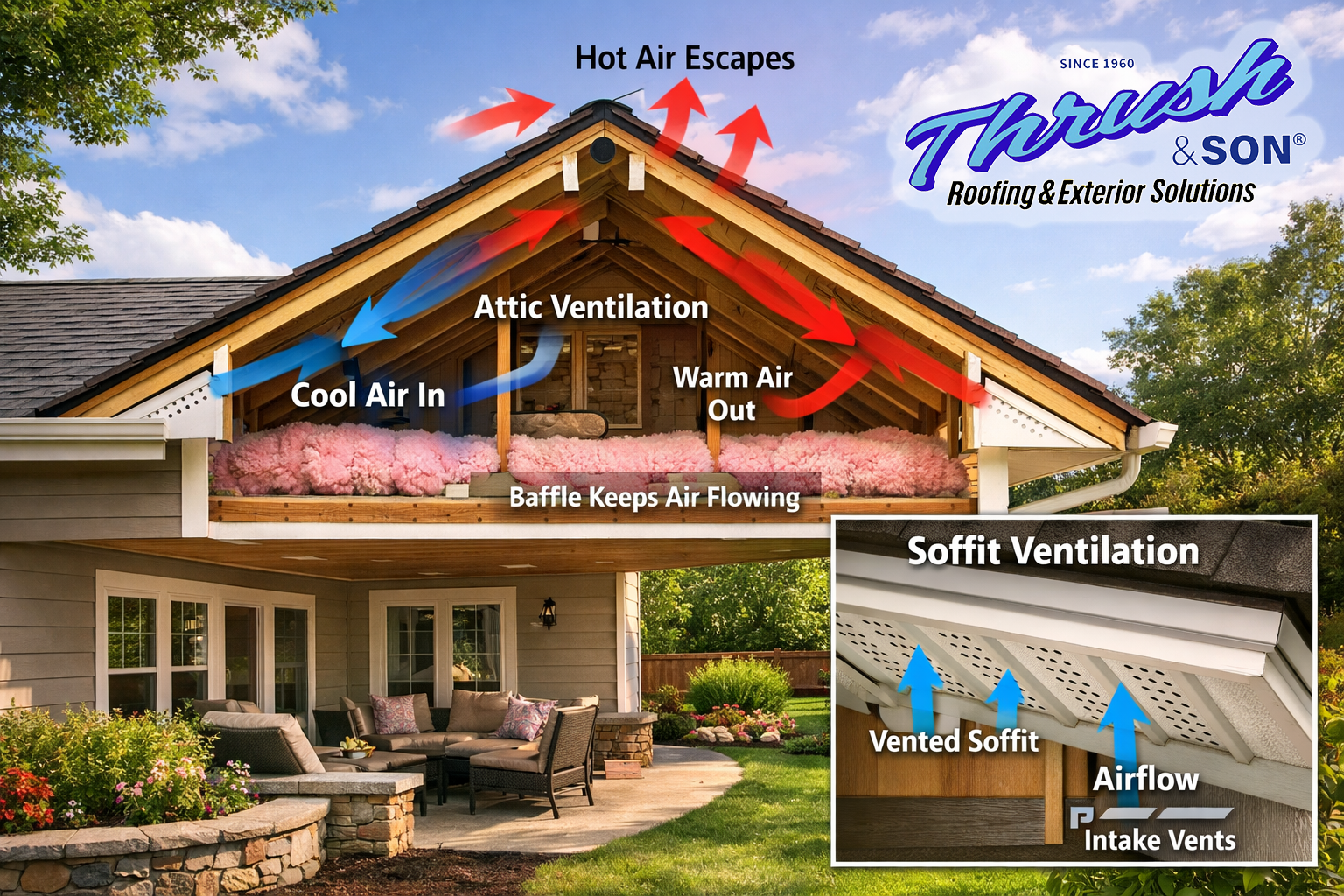
  • Baffle: A small piece of cardboard, plastic or PVC. They are small, but they can have major effects on your home. Baffles fit between the rafters and underneath the roof’s sheathing near the soffit vents. They keep the insulation from blocking the airflow into the attic.
  • Batt Insulation: Batt insulation comes in pre-cut panels and is generally made of fiberglass; it is sometimes used in conjunction with roll insulation.
  • Blanket Insulation: A batt and roll insulation system, blanket insulation typically consists of fiberglass but sometimes mineral (rock and slag) wool or natural fibers (cotton and sheep’s wool).
  • Cavity: A cavity is the empty space between the wall studs or joists where insulation can be added.
  • Cellulose Insulation: Consisting of up to 80 percent recycled material (mostly newspaper), cellulose is one of the most environmentally friendly types of insulation and has superior soundproofing abilities; it is typically blown in.
  • Conduction: Conductive transfer of energy occurs within or between areas (within your home and between the interior and exterior) of different temperatures; thermal insulation is superior at stopping conductive heat loss.
  • Convection: Convective heat transfer occurs through liquids or gases.
  • Faced Insulation: This type of insulation (batt style) has a vapor barrier attached, typically kraft paper or foil-backed paper.
  • Fiberglass Insulation: An insulation material consisting of thin strands of glass fibers, fiberglass is widely used; today, about 90 percent of homes have fiberglass insulation!
  • Foam Insulation: Foam insulation is ideal for tiny gaps and crevices behind the walls and can be sprayed, injected, poured or foamed-in-place.
  • Heat Loss: Heat is lost from a home or building through one of three methods: conduction, convection, or radiation.
  • Insulation: Insulation is a product used to block sound and heat transfer, keeping your home more comfortable (and increasing its energy efficiency). Its effectiveness is rated in terms of thermal resistance (R-value).
  • Intake Ventilation: The fresh air that is drawn into a passive ventilation system typically installed in the soffit or eave of a roof.
  • Loose-Fill Insulation: Loose-fill is a type of insulation that is shredded and blown into the designated area (also called “blown-in insulation”). Cellulose is typically installed as loose-fill.
  • R-Value: The R-value is used to rate different insulation materials; it refers to the resistance to heat flow—the higher the R-value, the better!
  • Radiant Barrier: Radiant barriers are installed in attics and used to increase your home’s ability to reflect the sun’s energy; options are reflective foil, metal roof shingles, laminated roof sheathing and chips.
  • Radiation: This refers to radiant heat transfer that is caused by a release of electromagnetic waves (also called thermal radiation).
  • Retrofit Insulation: Used for re-insulation projects, retrofit insulation is installed in existing homes, compared to new construction or new build insulation, which is installed in new homes.
  • Roll Insulation: Ideal for unobstructed spaces, roll insulation can be cut to fit any cavity and is generally made of fiberglass; it is sometimes used in conjunction with batt insulation.
  • Unfaced Insulation: This type of insulation has no vapor barrier attached.
Modern attic interior with glowing myths vs facts arrows highlighting insulation misconceptions and energy efficiency insights in a residential home
Insulation terminology diagram showing attic ventilation airflow, soffit vents, and baffle system for proper air circulation in a residential home

Why Understanding Insulation Terminology Matters

Knowing insulation terminology allows homeowners to make informed decisions about their home’s performance and energy efficiency. Without a clear understanding of how insulation works, it’s easy to overlook areas that could lead to energy loss, higher utility bills, or long-term structural issues.

Proper insulation plays a critical role in maintaining consistent indoor temperatures, reducing strain on HVAC systems, and protecting your home from moisture-related damage. By learning common insulation terms, you can better communicate with contractors, evaluate recommendations, and ensure you are investing in solutions that deliver real value.

Whether you are upgrading attic insulation, improving wall systems, or addressing ventilation concerns, understanding insulation terminology gives you the confidence to make smart, cost-effective decisions for your home.

Understanding insulation terminology helps homeowners make smarter decisions about energy efficiency and long-term home performance.

According to the U.S. Department of Energy, proper insulation can significantly reduce energy costs and improve comfort year-round.

For more expert tips, visit our Home Improvement Minute for helpful insights and seasonal guidance.