Written by OLIVER OLINGER
The Lowdown On What’s Up Above – Courtesy of Asphalt Life in 2017

What’s Up Above? A Guide to Attic Insulation Types and Installation
OLIVER OLINGER, WRITER Ohio-based contractor Corey Thrush was doing an inspection one day when he noticed something odd, and made him wonder, “what’s up above?”. The roof, though fairly new, had a lot of nail pops – and nails that stick up can break or damage the shingles.
The Immense Importance Of What’s Up Above
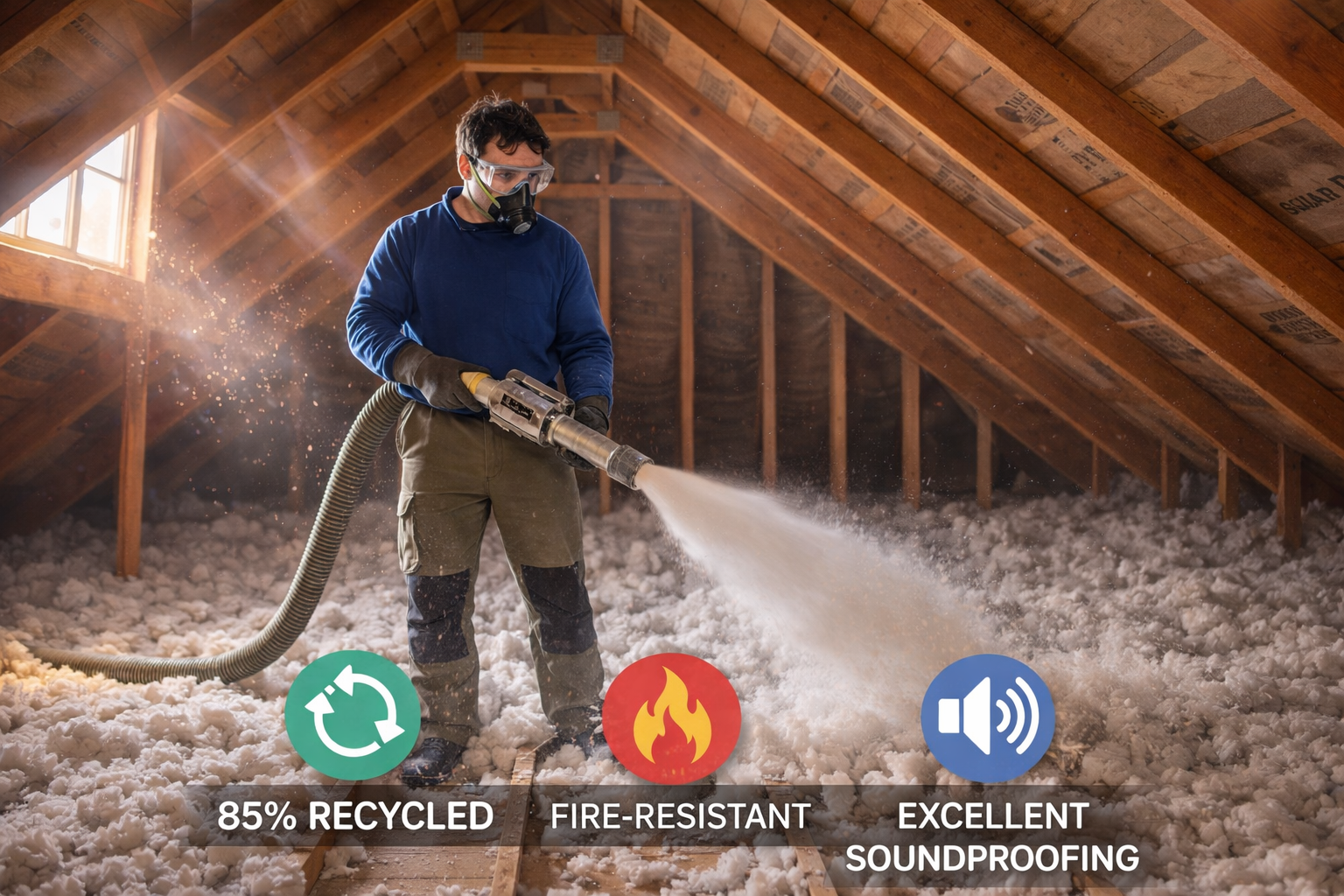
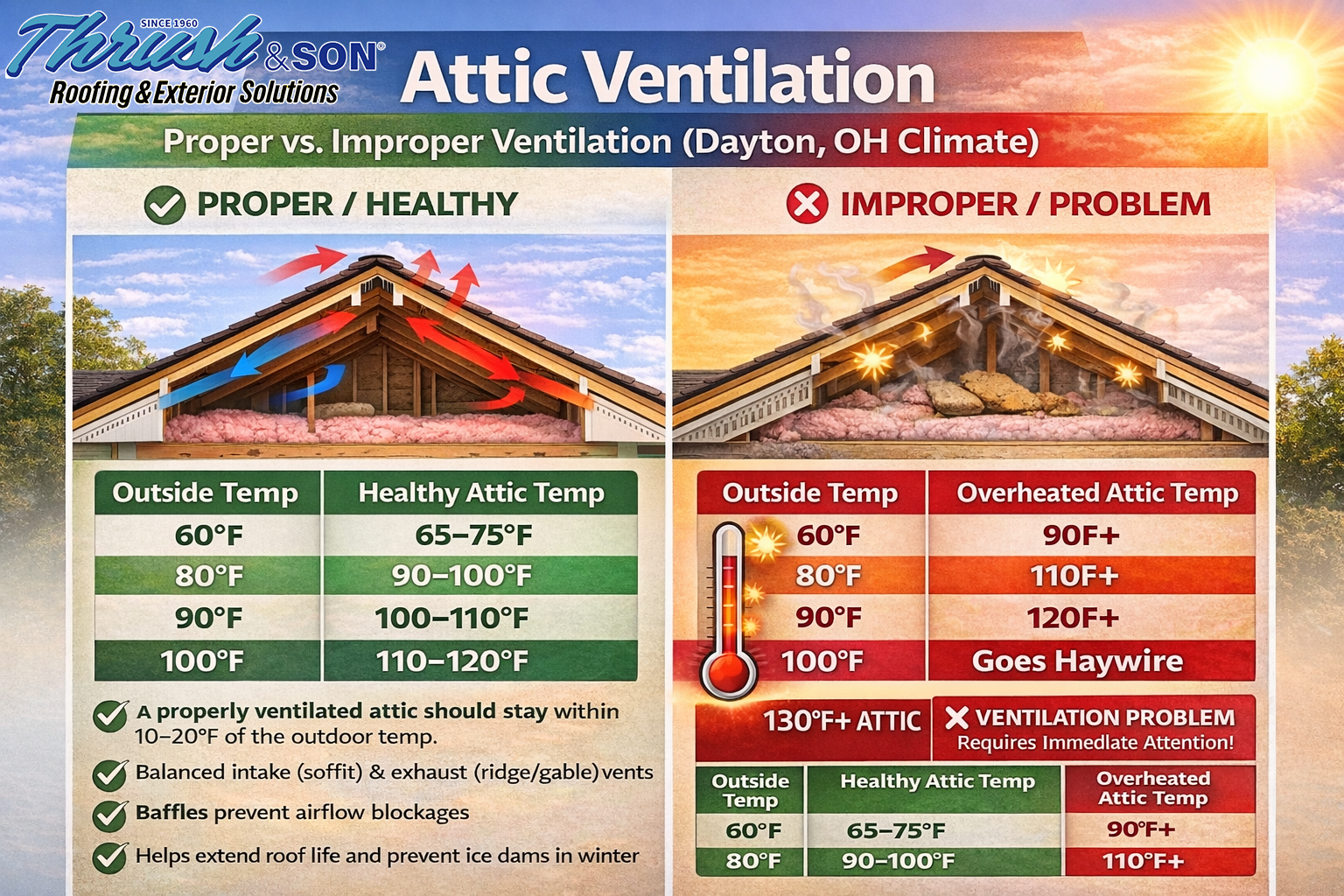
Attic insulation is an integral part of a roof system. Too much insulation can cause ventilation problems while too little can contribute to heating/cooling issues for the living spaces below.
R-Value and Climate
Insulation’s resistance to the flow of heat is referred to as “R-value.” However, other factors, such as insulation type and thickness, should be considered when choosing insulation because R-value only rates heat flow by conduction. R-value does not measure convection, radiation or air filtration. The Department of Energy recommends R-values between 30 and 60 depending on climate zones, although almost every zone allows for R-values up to R-60.
Contractors Beware
When installing a roof system, more is not necessarily better. Less is not better either. A roof system works effectively when all of the components function together properly.
- Make sure that space between joists and studs is filled. No exposed ceiling drywall should be visible anywhere.
- Do not cover attic vents. Soffit vents may require baffles to allow for air flow past the insulation.
- Do not compress insulation to make it fit into awkward places. Compressing insulation reduces its ability to insulate against heat or cold.
- Too much insulation can result in moisture buildup in the attic, which can rot wood, facilitate mold growth, leak down into the living areas and damage the roof. Stay within the recommendations.
- In areas where moisture is inevitable (such as around pipes or ducts), use an insulation that will not react negatively to getting wet. Fiberglass and cotton batts and loose-fill cellulose absorb water and condense when exposed to moisture. Contractors can use a moisture-resistant insulation such as polystyrene or polyisocyanurate insulation sheets.
A Few Words of Caution

Foam insulation is the topic of an ongoing debate. Electric companies and many homebuilders believe that spray foam’s high R-value makes it more energy efficient. They advocate using it on the entire roof deck, including between the rafters, to insulate the whole attic instead of just the attic floor.
Protect Your Home Today

What’s Up Above is critical to your roof’s performance. Ready for a free inspection to check insulation, ventilation, and more? Contact Thrush & Son® today.
⚡ More Expert Insights If protecting your home from severe weather is top of mind, take a deeper dive with our guide on storm-proofing your home. This post expands on smart exterior upgrades, proactive inspection tips, and practical strategies homeowners can use to reduce storm damage and strengthen their home year-round.