
Your House Says Something Before You Do.
The psychology of color explains why one house feels welcoming, another calm, and another confident, long before anyone reaches the front door. Color shapes first impressions for you, your guests, and every buyer who ever drives past.
This guide turns color psychology into practical choices: what each color family tends to communicate, how sunlight and heat change the picture, what the data says about front doors, and how to build a palette around the way you want your home to feel.
Is the Psychology of Color Real?
Mostly, with a sensible caveat. A 2020 study in Psychological Science asked 4,598 people in 30 nations to match 20 emotions with 12 color words. The patterns were remarkably similar from country to country, though local language and geography still nudged the results.
In other words, many color feelings are shared, and some are personal. The psychology of color is a useful starting point, not a rulebook. Your own reaction to a color matters just as much as the research.
The Psychology of Color, One Family at a Time
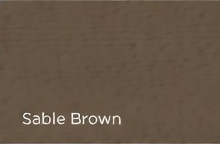
Tap a color family on the wheel to see what the psychology of color says it tends to carry, real siding colors from the CertainTeed line we install, and pairings that work on Miami Valley homes.
Red
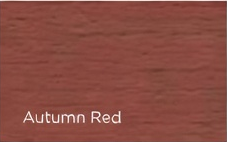
Red gets noticed. Deep, brick-toned reds feel grounded and traditional; brighter reds feel daring. On most homes, red works hardest as an accent: a front door, shutters, or a barn-red outbuilding.
Yellow
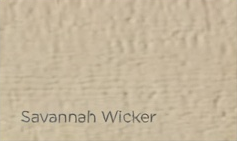
Yellow reads as cheerful and inviting, which is why it shows up on so many farmhouses and cottages. Softer, buttery yellows age more gracefully than bright lemon tones, and they glow on gray Ohio days.

Blue
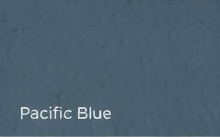
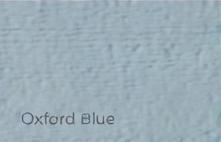
Blue is the steady one. Light blues feel airy and coastal; navy and slate feel tailored and confident. Blue pairs easily with white trim, gray roofs, and stone, which helps explain its staying power.
Green
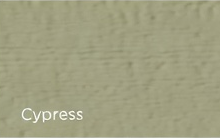
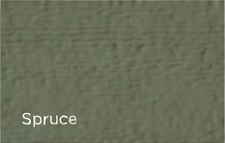
Green settles a house into its landscape. Sage and olive tones feel organic and relaxed, while deep forest greens feel established. It’s a natural fit on wooded lots.
Neutrals
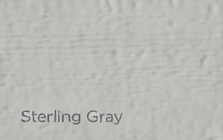
White, gray, beige, brown, and black let architecture lead. Neutrals adapt as trends change and pair with almost any accent color, which is why they’re the safe bet for resale.

The Psychology of Color Meets Physics
Color isn’t only emotional. It’s physical. Berkeley Lab notes that slightly less than half of sunlight is visible to the eye; the rest is invisible infrared. Dark surfaces absorb more of it, while light surfaces stay cooler, per its cool science guide.
The good news: many modern dark products use “cool” pigments that reflect infrared light while keeping the same rich look. Ask about them if you want a deep color but worry about heat.
Light changes perception too. LP Building Solutions says exterior colors almost always look lighter outdoors than on a chip, per its color guide, so judge samples outside.
Where sunlight’s energy goes
What Buyers Felt About Front Door Colors
The front door is where the psychology of color gets measurable. In a 2022 study, Zillow showed buyers the same home with front doors in 11 colors and asked what they’d pay. Black doors drew the highest offers. Slate blue earned the top overall score. Pale pink cost the most, per the Zillow release.
That’s one study, not a guarantee, but it matches what we see: a confident door in a classic color gives a neutral house a focal point. Compare door styles in our door guide or see entry doors.
Offer difference vs. expected price
- Black+$6,449
- Slate blue+$1,537
- Olive green+$969
- Pale pink−$6,516
The Psychology of Color Depends on What’s Around It
No color lives alone. A blue that feels calm against white trim can feel cold next to gray stone and a gray roof. A red that feels warm on a farmhouse can feel loud in a row of beige homes. The psychology of color always plays out in context.
Start with what you can’t change easily: the roof, brick or stone, and the colors on either side of you. Your siding, trim, and door should agree with those fixed pieces before they try to make a statement.
Then think about the light your house gets. North-facing walls sit in shade most of the day and push colors cooler and darker. South and west walls get strong afternoon sun that washes colors out.
Finally, think about time. Siding and roofing last decades, so the psychology of color should serve the person you’ll be in 20 years, not just the trend you’re seeing this spring. Save the daring choices for the front door and shutters, where a change is a weekend project.
Start With How You Want Your Home to Feel
The psychology of color works hardest for you when you start with a goal instead of a favorite swatch. Pick one, and we’ll suggest a three-part palette for body, trim, and accent.
Stand out
A saturated body color or a vivid door against quiet neutrals.
Try: Navy siding, white trim, red doorBlend in
Earthy tones that echo the trees, stone, and roof around you.
Try: Sage siding, tan trim, brown roofSell soon
Broad-appeal neutrals with one tasteful accent buyers notice.
Try: Light gray siding, white trim, black doorFeel calm
Soft, cool tones with low contrast for a restful look.
Try: Soft blue siding, off-white trim, slate roofTry your palette on a house like yours in our Home Exterior Design Center, then read siding colors, top shingle colors, and two-tone siding.
Three Homes, Three Feelings
Here’s the psychology of color on real exteriors. Each palette sends a different message with the same basic ingredients: body color, trim, roof, and door.
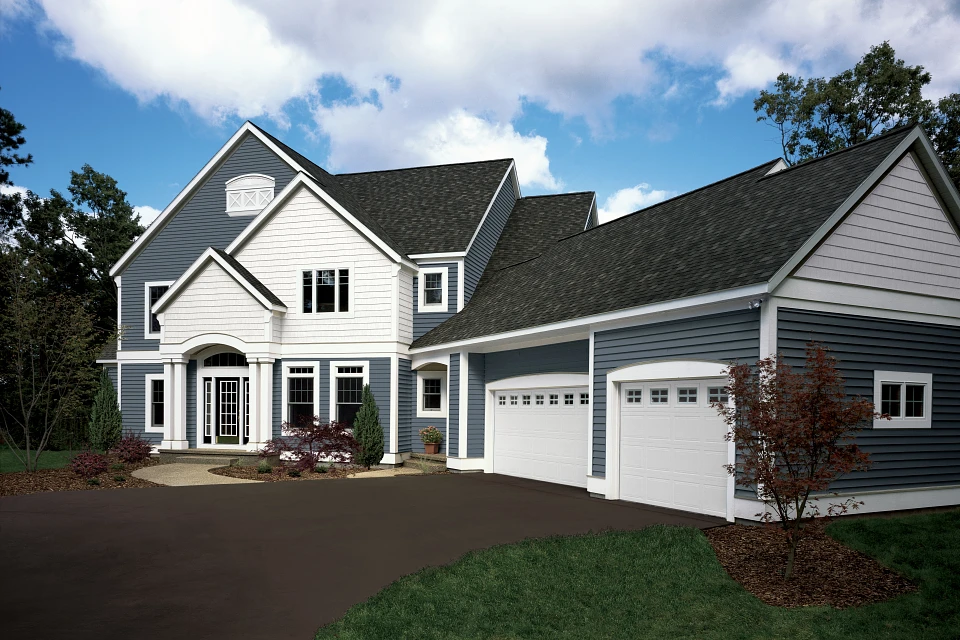
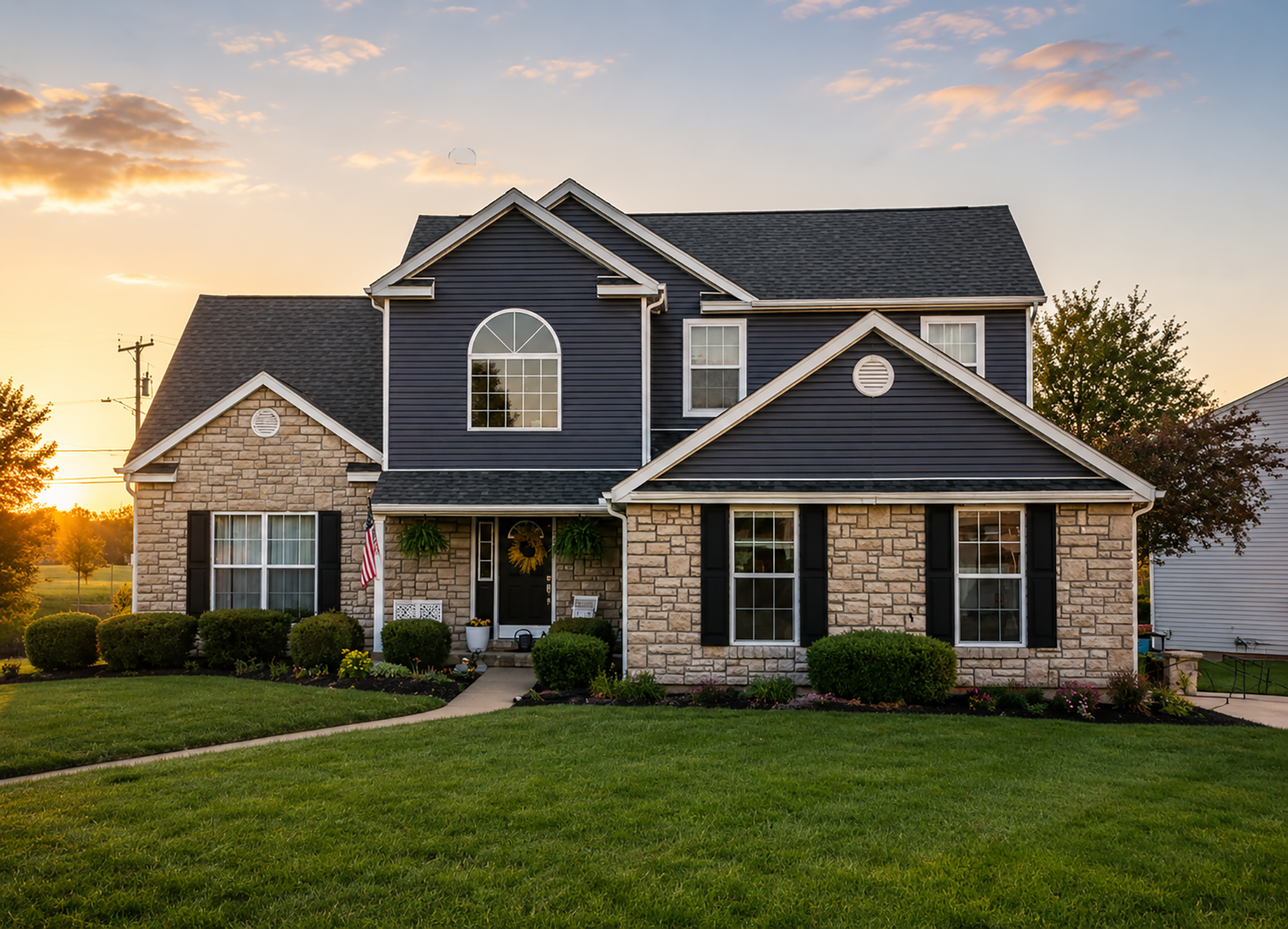
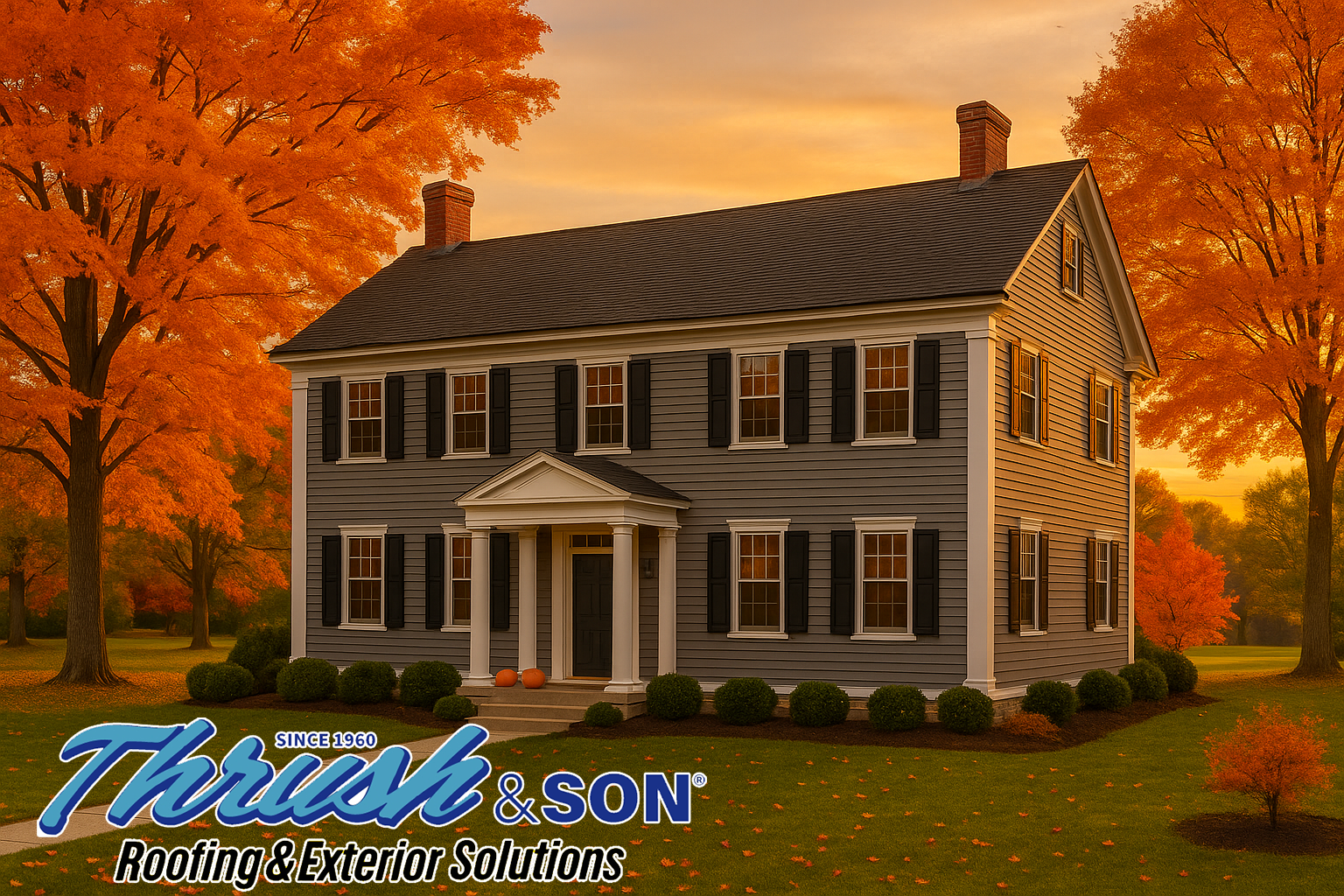
See dozens more palettes in our project gallery and five more ideas in 5 exterior design tips.
A Second Opinion on Your Palette
Applying the psychology of color to a real house is a big, long-lasting decision, and it helps to have someone who has seen thousands of homes before and after. Thrush & Son® has been helping Miami Valley families choose roofing, siding, and trim colors since 1960. Read homeowner reviews or check our BBB profile.
We’ll bring real samples to your home so you can judge them in your own light, next to your own brick and landscaping. That’s where color psychology meets reality, and where the right choice usually becomes obvious. Learn about our President’s Club recognition.
Psychology of Color FAQs
What is the psychology of color?
It’s the study of how colors relate to feelings and behavior. A study of 4,598 people in 30 nations found that color-emotion associations are broadly shared worldwide, with local differences, per Psychological Science.
Which exterior colors feel most welcoming?
Warm, soft tones such as cream, buttery yellow, and warm white tend to read as friendly and inviting, especially with a contrasting front door.
Do dark siding colors get hotter?
Dark surfaces absorb more sunlight than light ones, according to Berkeley Lab. Many modern dark products use “cool” pigments that reflect invisible infrared light while keeping the same look.
What front door color helps a home sell?
In a 2022 Zillow study, black front doors were tied to the highest offers, about $6,449 above expected, while pale pink scored lowest. See the Zillow release.
Should I follow color trends?
Use trends for accents you can change easily, like a door or shutters. Pick siding and roof colors you’ll still like in 20 years.
How do I test colors before choosing?
Look at real samples outdoors in morning and evening light, on more than one side of the house. Our guide to the home improvement showroom covers the details.
More on your mind? We have answers.
