
Choose a Shingle: 6 Key Factors Every Homeowner Should Know
Learning how to choose a shingle is one of the most valuable skills a homeowner can bring to a roof replacement, because your roof is far more than a protective cover. It’s your home’s first line of defense against Ohio weather, and the shingle you pick today decides how that roof handles wind, rain, hail, temperature swings, and twenty-plus years of wear.
Get it right and you protect your home, trim energy bills, and strengthen resale value. Get it wrong and the problems hide for a while. A bargain shingle can look fine on day one while weak wind resistance, poor granule adhesion, or a thin warranty quietly shortens the life of the whole roof.
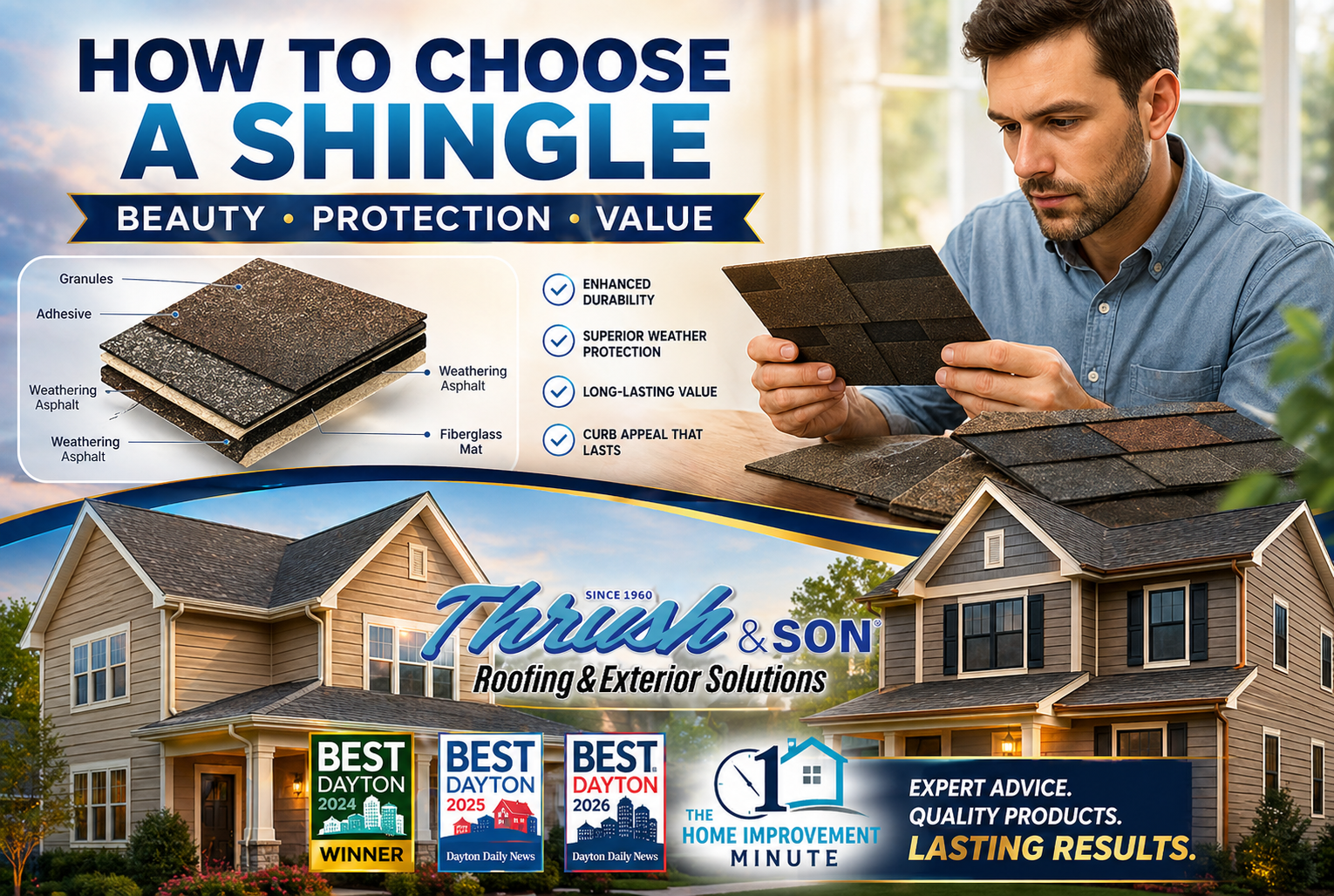
Why the Way You Choose a Shingle Matters
For more than six decades, Thrush & Son® has helped Dayton-area homeowners make this exact decision: thousands of roofs, every architectural style in the Miami Valley, and every kind of weather Ohio can invent. The difference between a good shingle and a great one comes down to six factors. By the end of this guide, you’ll know how to judge every one of them.
Think of it this way: you’ll replace a roof two or three times in a lifetime at most. The decision deserves more than a glance at a sample board.
Types of Asphalt Shingles: 3-Tab vs. Architectural
The first fork in the road when you choose a shingle is the one between 3-tab shingles and architectural shingles, also called dimensional or laminated shingles. Both are asphalt, but they behave very differently on a roof.
3-tab shingles are the traditional flat option: lower cost, lighter weight, and simple installation. The trade-off is a flat look, a shorter life, and wind ratings that typically top out around 60–70 mph. In a region where spring storms roll through every year, that ceiling matters.
Architectural shingles are thicker and layered, creating the depth and shadow lines you see on newer homes. That extra material buys real performance, and for most homes it’s the clear winner. Our guide to architectural shingles goes deeper. Flip the switch to compare them.

How to Choose a Shingle by the Numbers
Price is the easiest number to compare and the least useful one. Real roofing value lives in the performance specs, because those are the numbers that decide whether your roof shrugs off a June storm or ends up on an insurance claim.
Read a shingle’s spec sheet the way you’d read a food label. These five lines separate entry-level products from shingles built for Midwest weather, and they’re the fastest way to choose a shingle with confidence.
Want independent data on impact? The Insurance Institute for Business & Home Safety publishes lab hail ratings for impact-resistant shingles, and our breakdown of GAF storm-rated shingles explains what Class 4 really means.
Shingle Facts
What to look for when you choose a shingleBenchmarks reflect typical premium architectural shingles. Exact ratings vary by product and installation method.
Style, Color & Neighborhood Harmony
Durability wins the engineering argument, but you’ll look at this roof every day for decades. Appearance deserves a real seat at the table when you choose a shingle.
- Match your architectural style. Colonial, Cape Cod, and Craftsman homes benefit from dimensional shingles that create depth; a flat roofline can make a detailed facade feel unfinished.
- Create visual contrast. Roof color should complement siding, trim, and fascia without blending into them. Contrast makes both the roof and the house pop.
- Respect the neighborhood. Homes on the same street tend to share a palette, and a roof that fights the street rarely helps resale.
- Preview before you commit. Manufacturer visualizer tools render colors on a photo of your actual home. Five minutes there beats years of second-guessing.
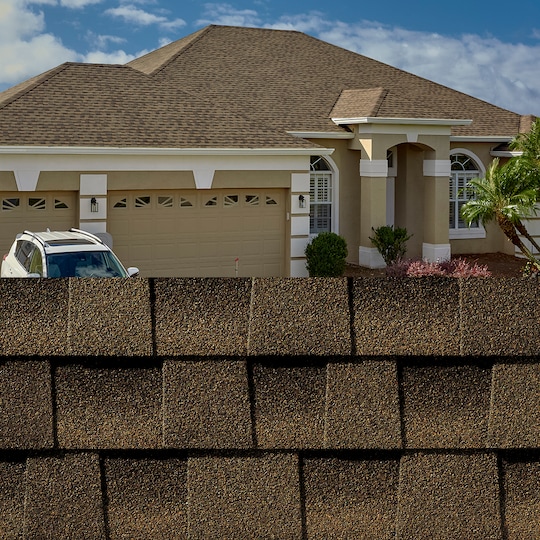
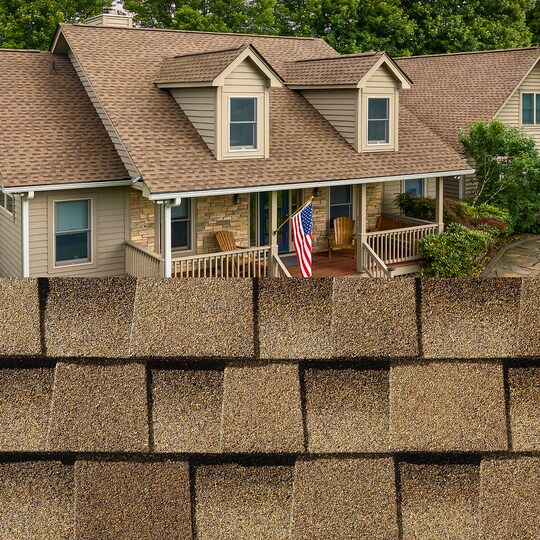
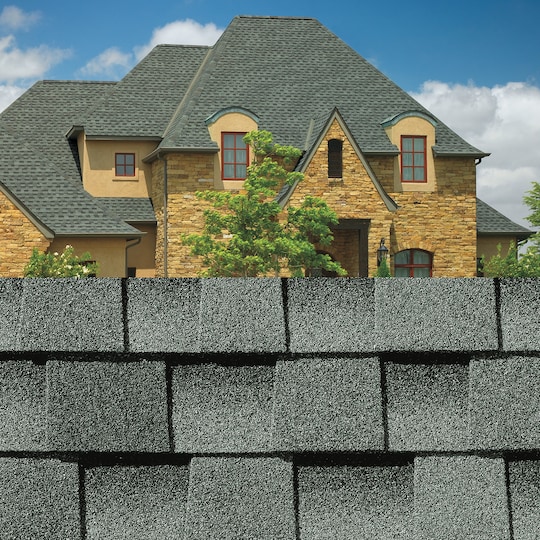
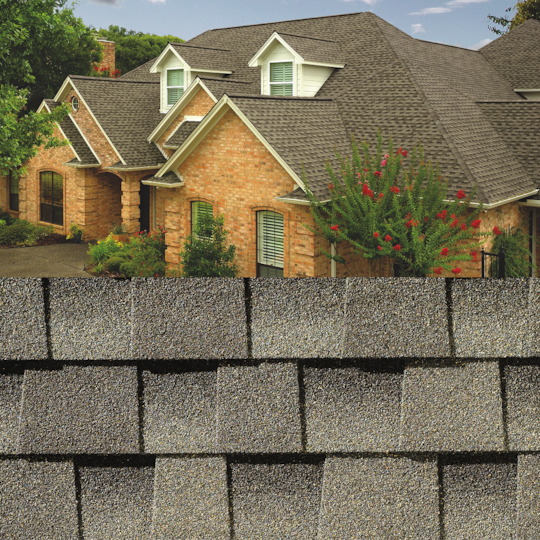
9 colors, available nationwideTimberline HDZ® High Definition® Colors
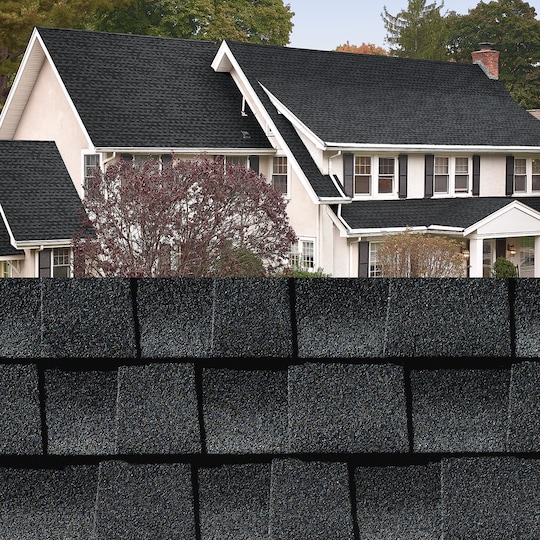
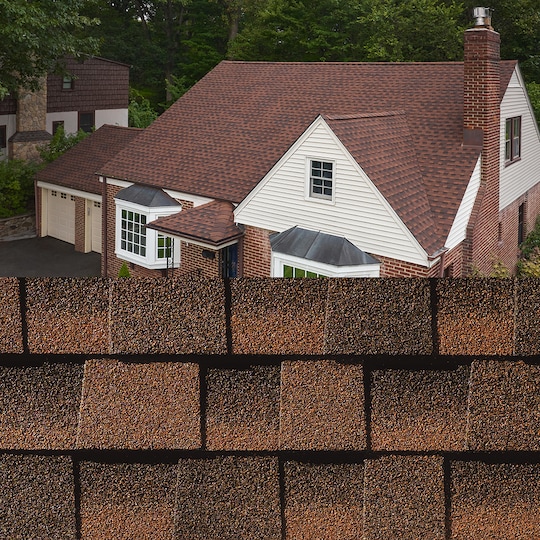
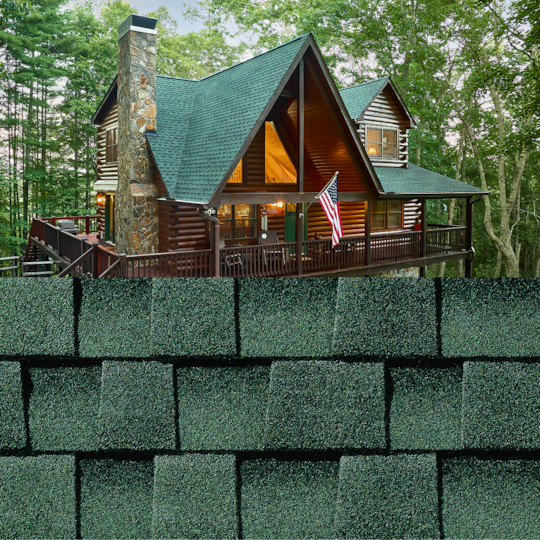
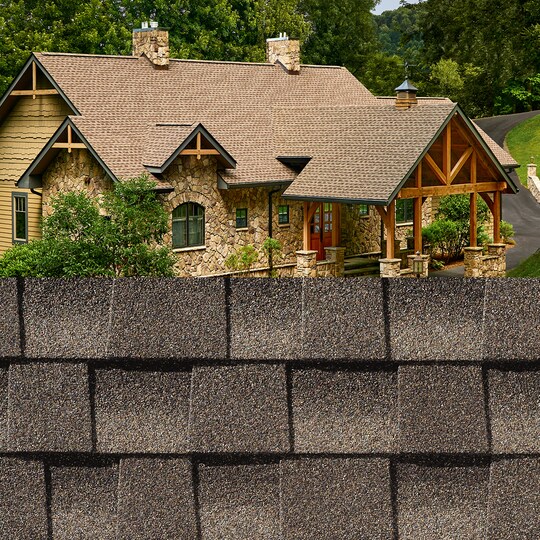
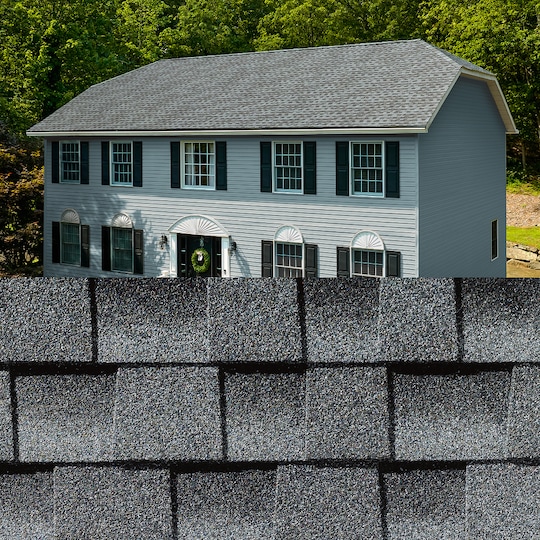
New collectionTimberline HDZ® Bold Definition Colors
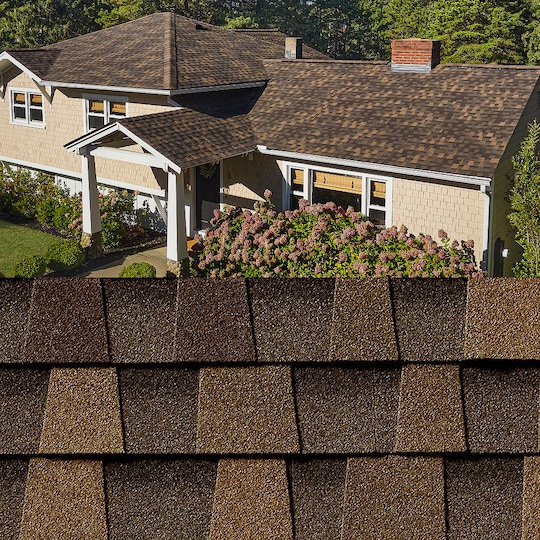
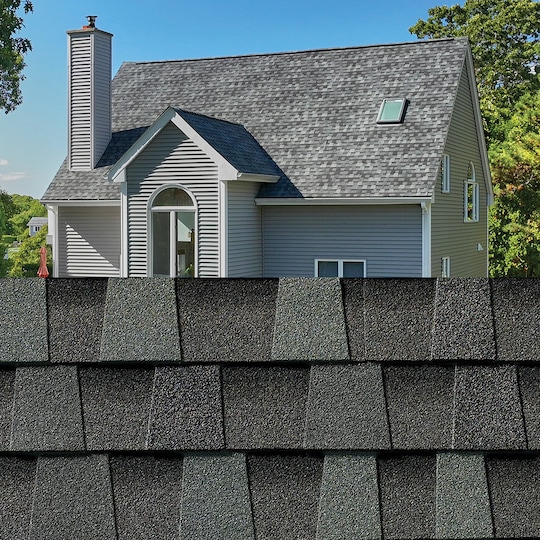
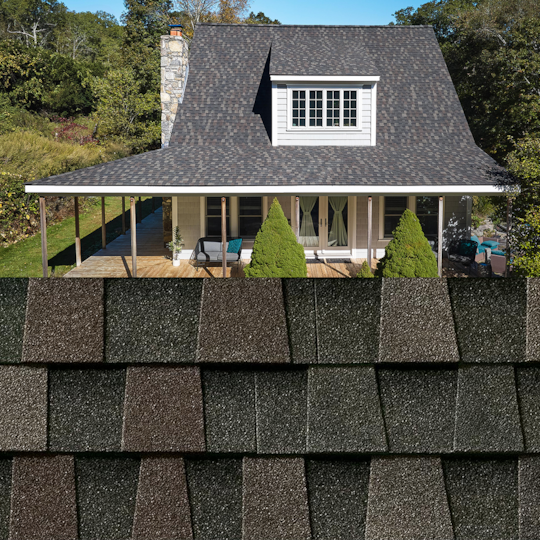
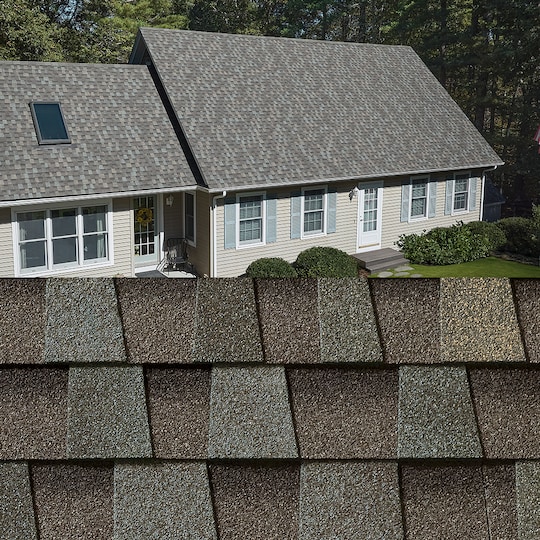
Swatch images courtesy of GAF. Use them to narrow the list, then choose a shingle color from a physical sample, since screens vary. Pairings are starting points, not rules.
Not sure where to start? Bring a siding sample outside when you choose a shingle color, and look at both in morning and evening light. Colors shift more than most people expect.
Warranty Protection: Read the Ladder
Every shingle comes with a warranty, but not every warranty protects the same things. When you choose a shingle, look at what climbs the ladder: the materials alone, the full roof system, or the materials and the workmanship.
Ask which rung you’re buying, and get it in writing, before you choose a shingle. Two identical-looking roofs can carry very different protection.
Cost & Return on Investment
Cost matters, but it only tells the truth when you read it next to lifespan. Architectural shingles typically run 20–50% more than 3-tab products upfront. Divide that cost by the years of service, though, and the “expensive” shingle is often the cheaper roof.
Resale counts too. Buyers notice a dimensional roof from the curb, and appraisers notice what buyers notice. Pair a strong manufacturer warranty with certified installation and you’ve protected the investment from both ends. That’s why we never let a homeowner choose a shingle on price alone.
Cost per year of service
Indexed so a 3-tab roof costs 100. Assumes a 30% higher upfront price and a 10-year longer service life. Your numbers will vary.
Tips for Hiring a Shingle Contractor
Here’s the uncomfortable truth of this whole guide: the best shingle on the market can’t survive a bad installation. Before you choose a shingle, choose the crew:
- Look for manufacturer certificationsGAF, CertainTeed, and Owens Corning credential programs document training, and they unlock the strongest warranty tiers.
- Check local referencesA reputable contractor can point to recent installations you can drive past this week.
- Request a full roof inspectionDecking, flashing, ventilation, and insulation all affect how new shingles perform.
- Clarify tear-off requirementsSome roofs need every old layer removed. Get the answer before the contract, not after.
- Get everything in writingMaterials, warranties, and cleanup procedures belong on paper. Every time.
Even the smallest part matters. Nail placement decides whether a shingle holds in a gust, which is why GAF built LayerLock® Technology with a wider nailing zone. This two-minute video covers the hardware most homeowners never think to ask about.
Your Roof Outlives the Decision. Make It a Good One.
You now know more about how to choose a shingle than most homeowners ever will: the wind ratings, the warranty tiers, the difference an installer makes. The only question left is what’s actually on your roof, and that takes an inspection, not an article.
Our certified inspectors have been climbing Miami Valley roofs since 1960. If your roof has years left, we’ll tell you that too. A company that’s served the same community for generations has no reason to sell you a roof you don’t need.
- Dayton
- Kettering
- Beavercreek
- Miamisburg
- Centerville
- Lebanon
Michelle, our AI assistant, answers 24/7 · Office: Mon–Thu 9–4, Fri 9–2
Follow the Thrush & Son® Family
Real projects, expert tips, and homeowner education.
