How Mother Nature Affects Roofing Shingles is one of the most important things homeowners need to understand after a hail storm, especially when damage isn’t immediately visible. When hail hits, the damage isn’t always dramatic — but it can quietly shorten the lifespan of your entire roofing system. Knowing how hail affects roofing shingles can help you make smarter decisions before small issues become major repairs.
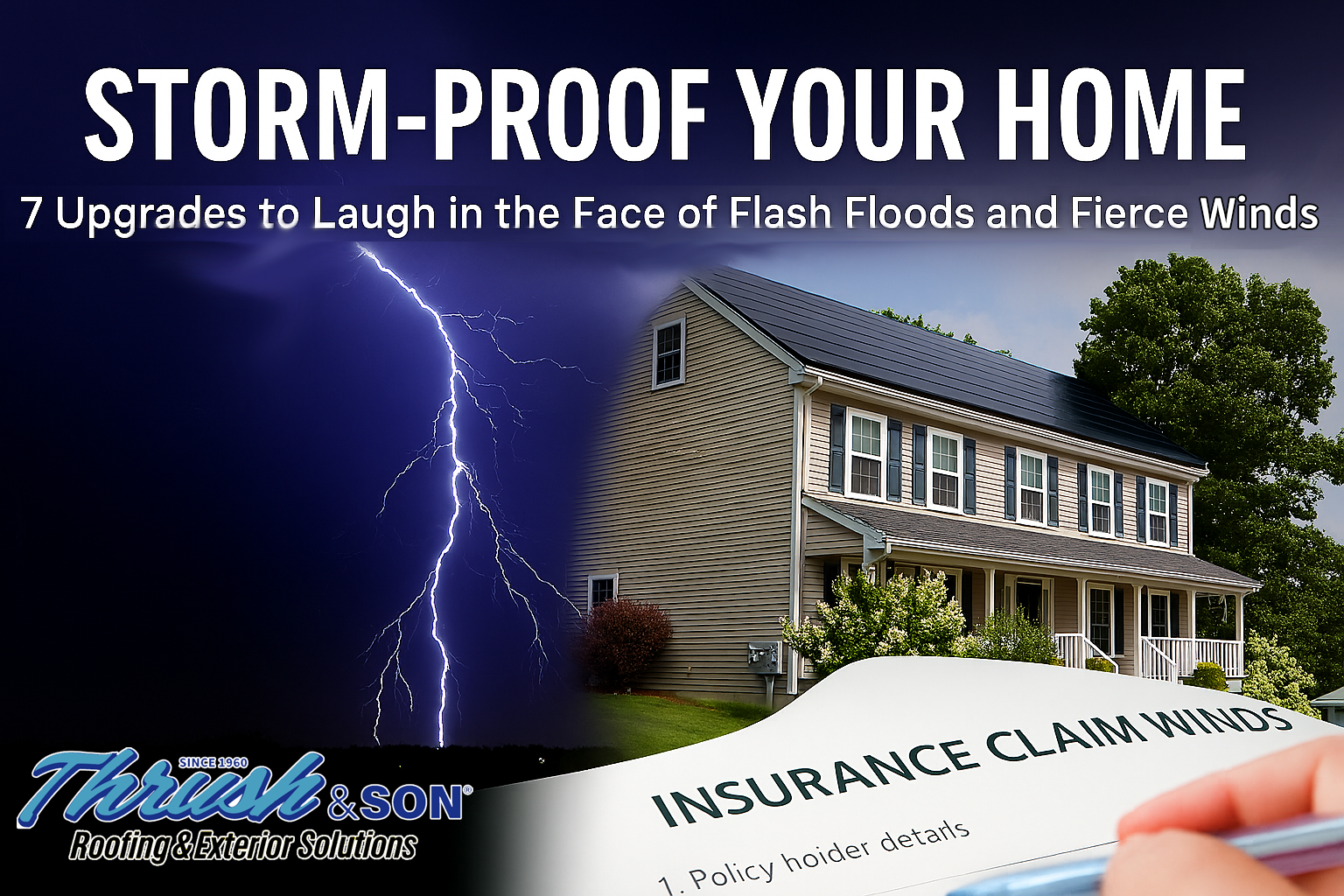
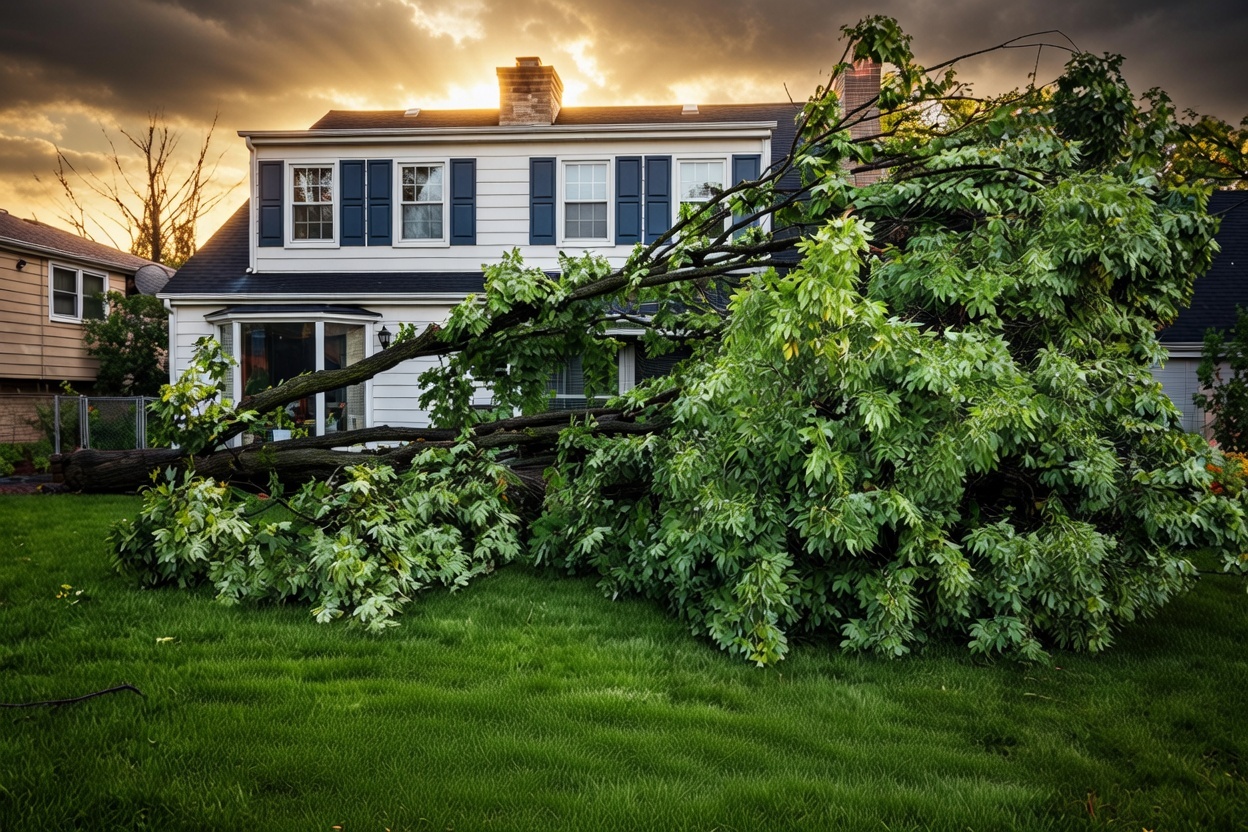
As high winds moved across the Miami Valley, trees and wires were reported as being down throughout the area and many homeowners described damage to their roofing and siding. Now hail damage and wind damage are different in respect to the way the roof had become damaged, but they create many similarities to the damage that the home has received. In many cases, what affects roofing shingles the most is not just the storm itself, but what goes unnoticed afterward.
How Hail Affects Roofing Shingles
Weather can be unpredictable, and turbulent weather—especially hail—can damage shingles. Contractors should explain to homeowners how hail can affect shingles and what they should watch out for. Because hail affects roofing shingles differently depending on size, speed, and roof age, the signs are not always obvious from the ground.
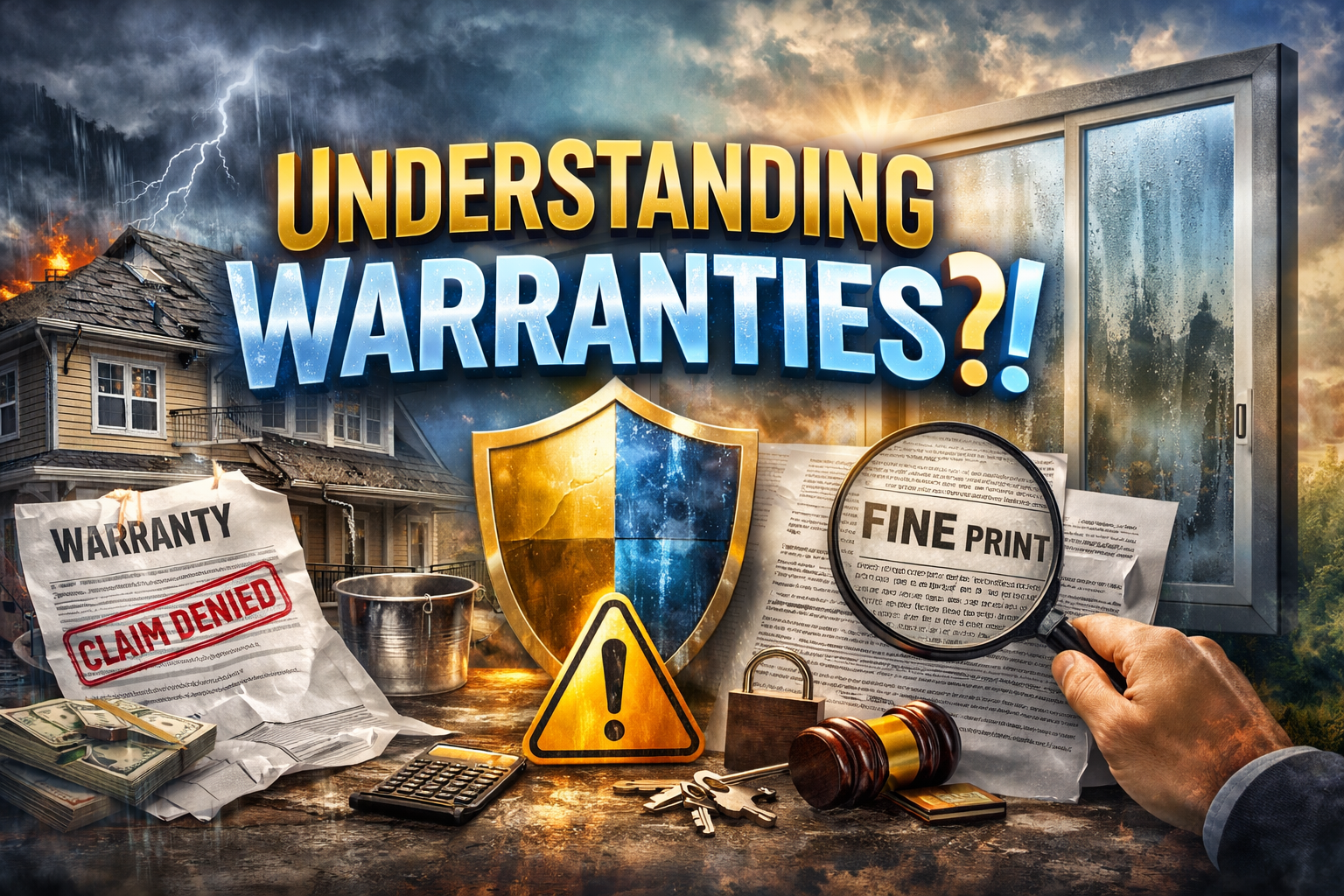
A manufacturer’s warranty typically will not cover damage to your roof caused by hail, however you should review the details of the warranty covering your shingles in order to determine whether any such coverage is available. This is why understanding what affects roofing shingles during a storm is so important when speaking with your contractor or insurance provider.
Is damage immediately noticeable?

Not always. Hail impact may cause latent damage that can, over time, result in premature aging of the shingles. Without obvious visual damage, there is no real way to be sure how much, if any, damage shingles have encountered. Hidden impact is one of the biggest ways hail affects roofing shingles long-term.
How can I tell if the roof was damaged?
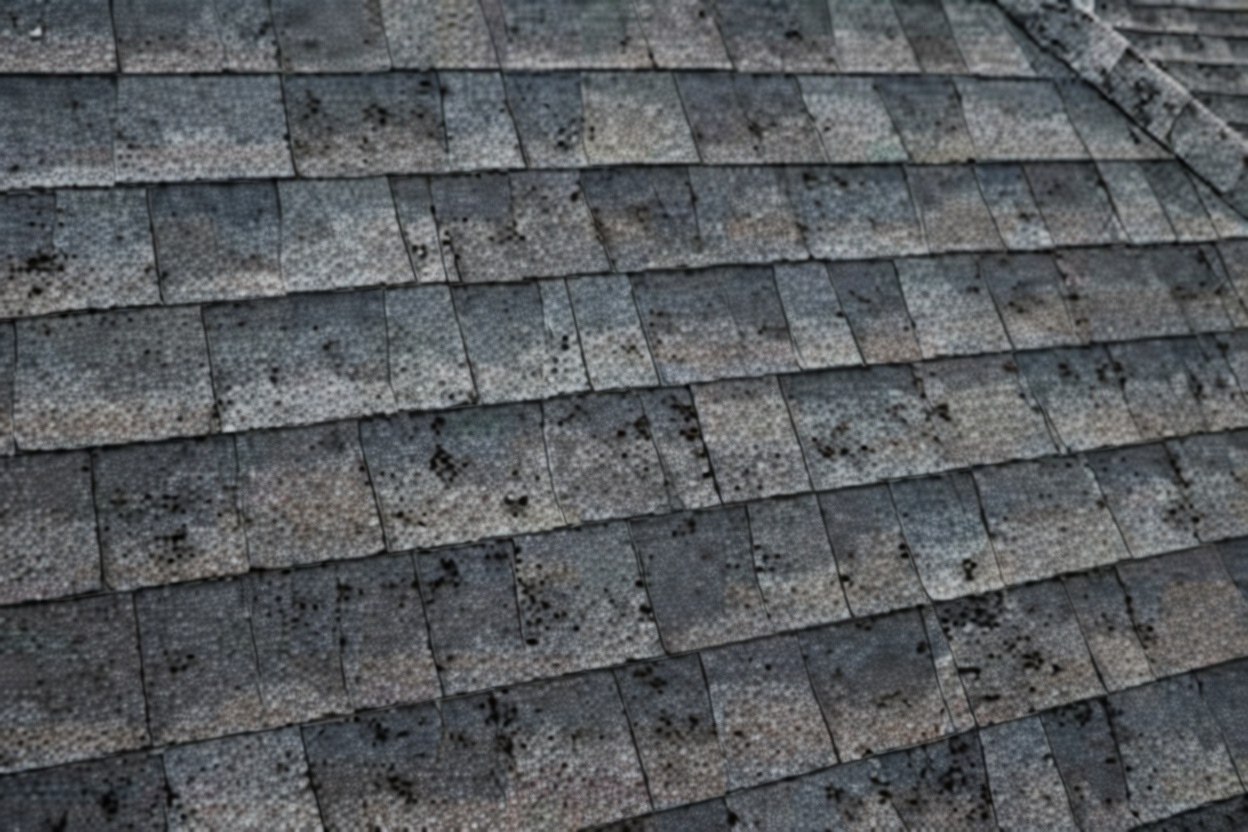
Generally, damage can be seen as indentations and/or fractures on the shingle’s surface. However, what affects roofing shingles most is often the loss of protective granules, which may not be visible until months later. Homeowners should also look for dents on metal flashings, gutters, siding, and chimney caps.
What are the most common types of damage?
- Granule loss at points of impact, which exposes asphalt and accelerates aging. This is one of the clearest ways hail affects roofing shingles.
- Cracks in the granule-asphalt surfacing, especially if wind lifts shingles and hail strikes vulnerable edges.
- Exposed fiberglass mat, where hail shatters the surface and weakens the structure of the shingle.
- Fractured fiberglass mat, which may remain hidden until leaks develop later.
- Loosening of the self-seal strip, creating the risk of future blow-offs during high winds.
Can several individual shingles be replaced or should the entire roof be replaced?
While it is possible to replace individual storm-damaged shingles, latent damage to the surrounding shingles caused by a storm can be difficult to assess. Because hail affects roofing shingles in unpredictable patterns, complete roof replacement is sometimes recommended for long-term performance. If only one plane is damaged, partial replacement may be possible — but surrounding shingles must be resealed correctly.
For more storm-related roofing guidance, visit our roofing resource center.
Industry Insight Worth Bookmarking
If you want a broader industry perspective on exterior durability, we recently shared thoughts in an external discussion worth exploring. That conversation dives into how modern materials are reshaping long-term home protection strategies. When hail affects roofing shingles, the quality of the system you install matters more than ever.
In that thread, we discuss how performance-based roofing choices are replacing brand loyalty alone — and why homeowners who prioritize tested materials see fewer repairs, fewer insurance claims, and better resale outcomes. You can explore the full discussion here: industry insights on exterior performance.
Where Smart Homeowners Go From Here
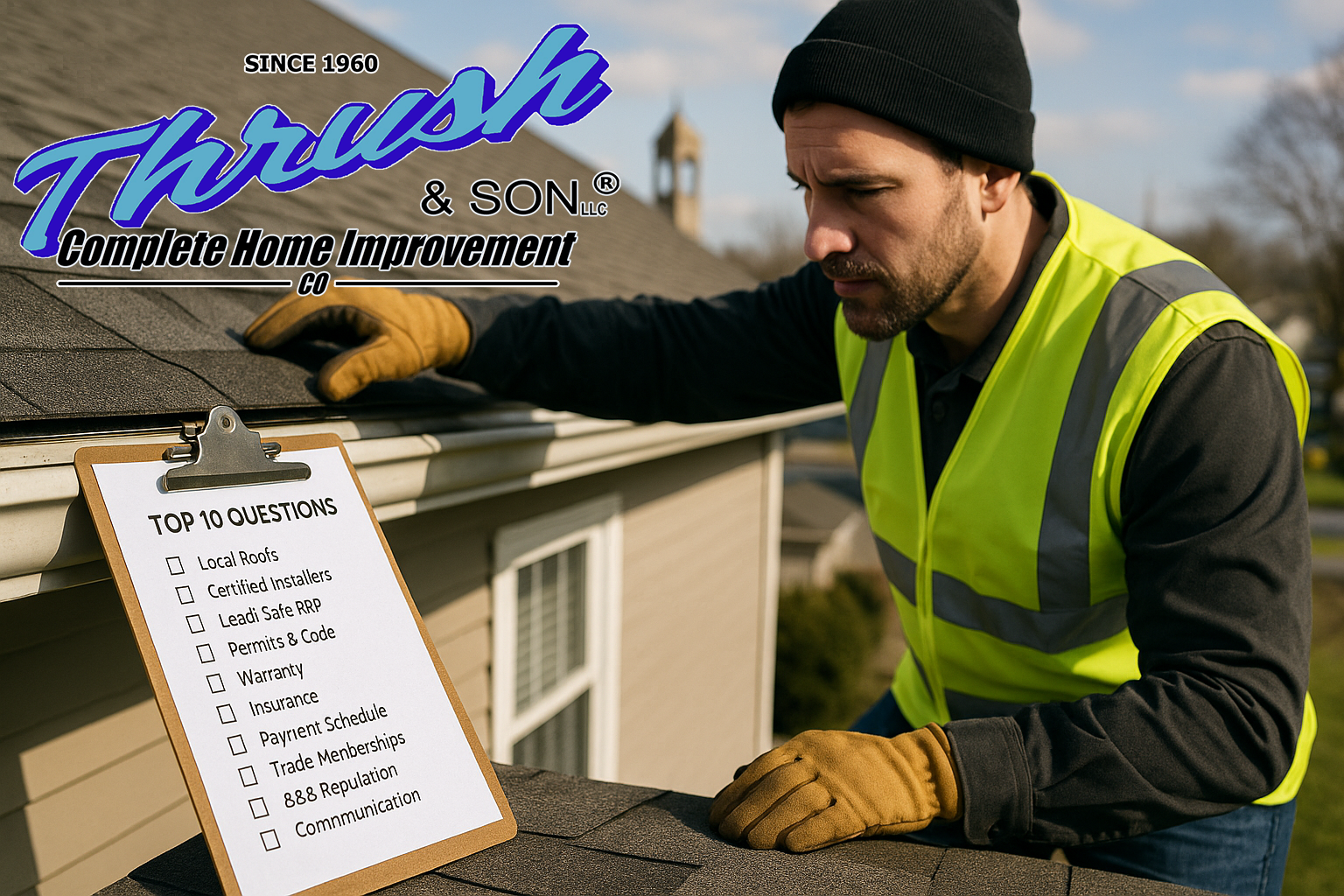
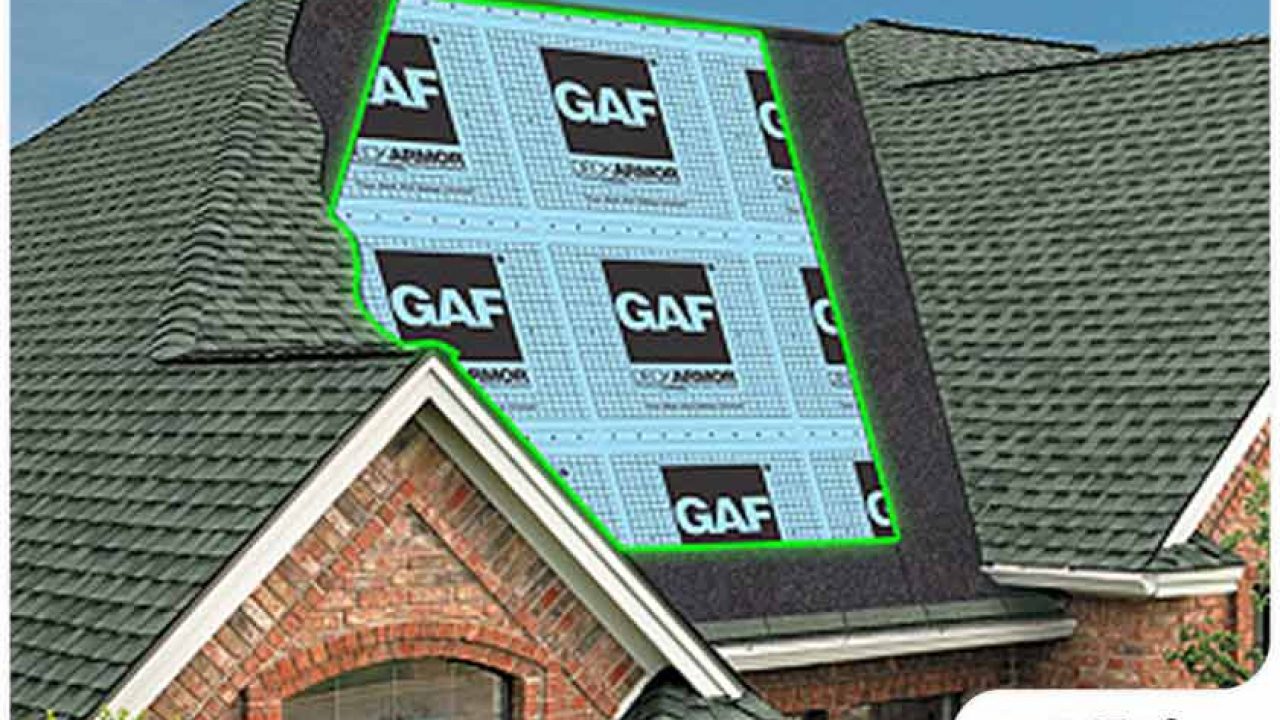
Choosing GAF storm-rated shingles isn’t about hype — it’s about preparation. With stronger storms becoming the norm, investing in proven materials protects more than your roof; it safeguards your entire home ecosystem. The right contractor will explain exactly what affects roofing shingles, what repairs are necessary, and what upgrades improve storm resistance.
For additional ideas on improving exterior performance year-round, explore exterior home upgrades across the Miami Valley.
To learn more about our certified roofing systems, visit our roof replacement services page.
🔗 Stay Connected
➡️ Connect with W. Allen Thrush on LinkedIn for leadership & legacy insights.
➡️ Follow Corey Thrush on LinkedIn for innovation and vision.
➡️ Join our homeowner family on Facebook for real stories.
➡️ Explore behind-the-scenes craftsmanship on Instagram.
➡️ Get pro tips and updates on Twitter (X).
➡️ Visit our LinkedIn Business Page for company news, awards, and opportunities.