
Roofs Still Leaked. So We Changed How We Worked.
When the coronavirus pandemic reached Ohio in the spring of 2020, families stayed home, and so did their leaks. Storms kept coming, shingles kept blowing off, and homeowners needed help without letting strangers into the house.
This is the story of how Thrush & Son® kept fixing roofs safely during the coronavirus pandemic: no-contact estimates, electronic contracts, and crews that never needed to step inside. Most of those habits turned out to be good business, so we kept them. You’ll see which ones below.
Historical post: the safety rules described here were in effect in 2020.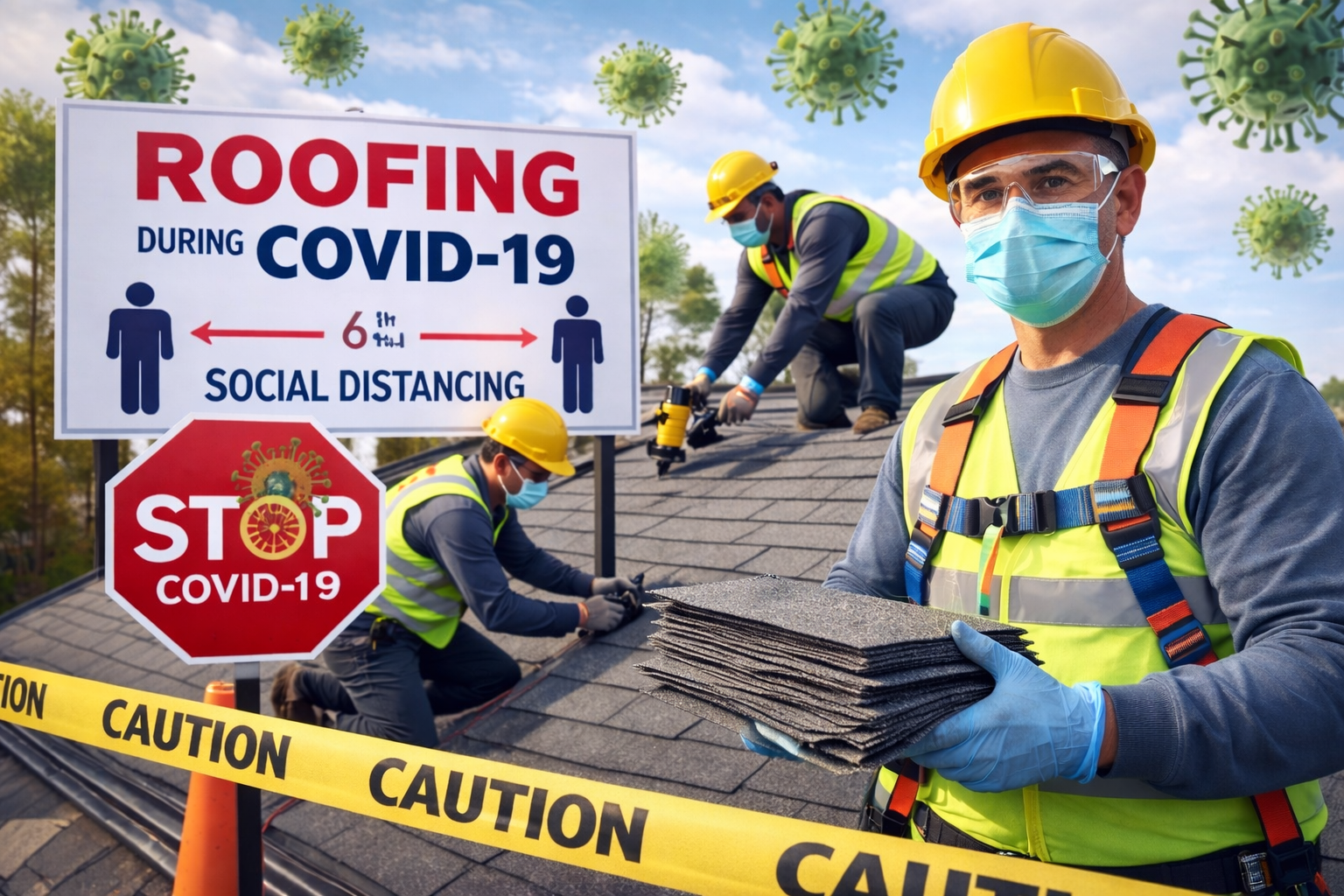
Ohio’s Stay at Home Order
On March 22, 2020, Ohio Department of Health Director Dr. Amy Acton signed a Stay at Home Order, announced by Governor Mike DeWine and effective at 11:59 p.m. on March 23. It kept key infrastructure running, and construction was on that list (Bricker summary of the order).
That meant roofers could keep working. It didn’t mean business as usual. Every company had to decide how to protect its crews and the families it served.
We made those decisions as a family, the same way we’ve made every big decision since 1960, and wrote them down so every crew followed the same rules on every roof.
The Coronavirus Pandemic Didn’t Stop the Weather
A leaking roof during the coronavirus pandemic was worse than a leaking roof any other time. Families were home all day, every day. Water in a ceiling meant mold risk, ruined insulation, and a bedroom nobody could use, right when space mattered most.
So the question wasn’t whether to keep working. It was how to do it without adding risk. Our answer was simple: if roofing happens outside, keep everything outside, and move every conversation to a phone or a screen. Need storm help today? See storm damage.
How a Coronavirus Pandemic Roof Job Worked
During the coronavirus pandemic, the whole job could run through a phone. Tap through the five steps to see how a typical job ran from the homeowner’s side. Nobody rang a doorbell, and nobody came inside.
Example conversation, written to show how the process worked.
Six Coronavirus Pandemic Safety Rules We Followed
These were the ground rules for every crew and every estimate during the coronavirus pandemic. None of them were complicated. All of them took discipline.
- 01
No-contact estimates
Phone, text, email, and video replaced kitchen-table meetings. Homeowners sent photos; we measured roofs from aerial imagery and walked the outside.
- 02
Electronic contracts
Proposals and contracts were signed electronically, so nothing changed hands but the keys to a better roof.
- 03
Outdoor-only crews
Roofing rarely needs anyone inside. Crews stayed outside the whole job and kept their distance from homeowners and each other.
- 04
Masks and clean tools
Crews wore masks and gloves around homeowners and wiped down shared tools and trucks.
- 05
Photo updates
Progress photos and a video walkthrough at the end let families see everything without stepping out the door.
- 06
Fair scheduling
Leaks and storm damage got first priority, because a wet ceiling and a house full of family is a bad combination.

Calm Is a Service Too
The most common thing we heard during the coronavirus pandemic wasn’t about shingles. It was relief. People were anxious about everything, and a contractor who explained the plan, showed up when promised, and stayed outside took one worry off a long list.
That’s the same standard we hold today: clear communication, written estimates with photos, and respect for your home. Read what a good bid looks like in roofing estimates, and how to vet any contractor in the right contractor.
Five Lessons the Coronavirus Pandemic Taught Us
Every hard season teaches something. The coronavirus pandemic taught us more about running a family business than most good years do.
- Communication is the job. When people can’t see you, they need to hear from you. Regular texts and photo updates turned out to matter as much as the shingles.
- Photos beat promises. A picture of a cracked vent boot explains more than ten minutes of talk, so every estimate now carries photos.
- Flexibility builds trust. Some families wanted a visit, some wanted a video call. Letting them choose made both groups more comfortable.
- Crews are family too. Protecting our people protected our customers. Clean tools, separate trucks when possible, and nobody working sick.
- Steady beats fast. Calm, clear, on-schedule work earned more referrals than any discount ever did.
Habits From the Coronavirus Pandemic We Kept
Some coronavirus pandemic changes were temporary: masks came off and handshakes came back. These five turned out to make every job better, so they stayed.
| Started during the pandemic | How it works today |
|---|---|
| Photos from the homeowner | Still welcome. Send pictures of a stain or a missing shingle and we’ll know what to look for before we arrive. |
| Aerial measurements | Still how every estimate starts, checked against a walk of the roof itself. |
| Electronic signatures | Still available for every proposal and contract. |
| Photo-documented work | Still standard. You get photos of what we found and what we fixed. |
| Respect for your home | Still the rule: boots stay off the carpet, and the yard is cleaner when we leave than when we came. |
Steady Through Every Season
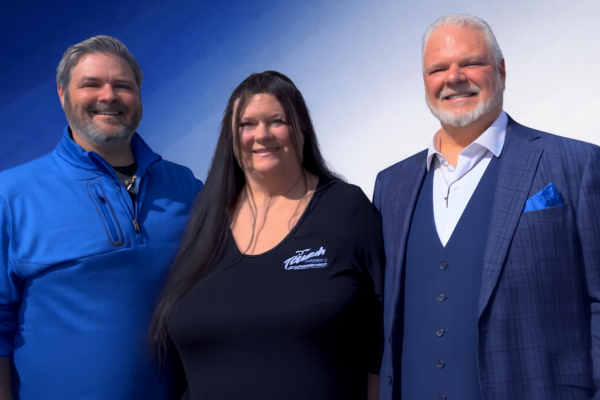
Thrush & Son® has been family-owned since 1960, and we’ve worked through recessions, record storms, and a coronavirus pandemic without changing what matters: doing the job right and treating every home like our own. Read the family story in family-owned.
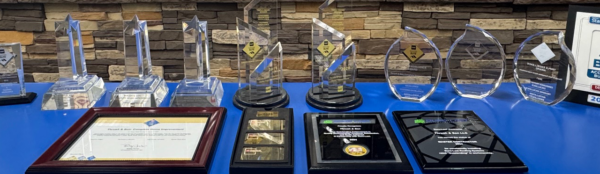
We’re a GAF President’s Club Contractor, hold an A+ BBB rating, and have homeowner reviews from across the Miami Valley.
Your Choice, Every Time
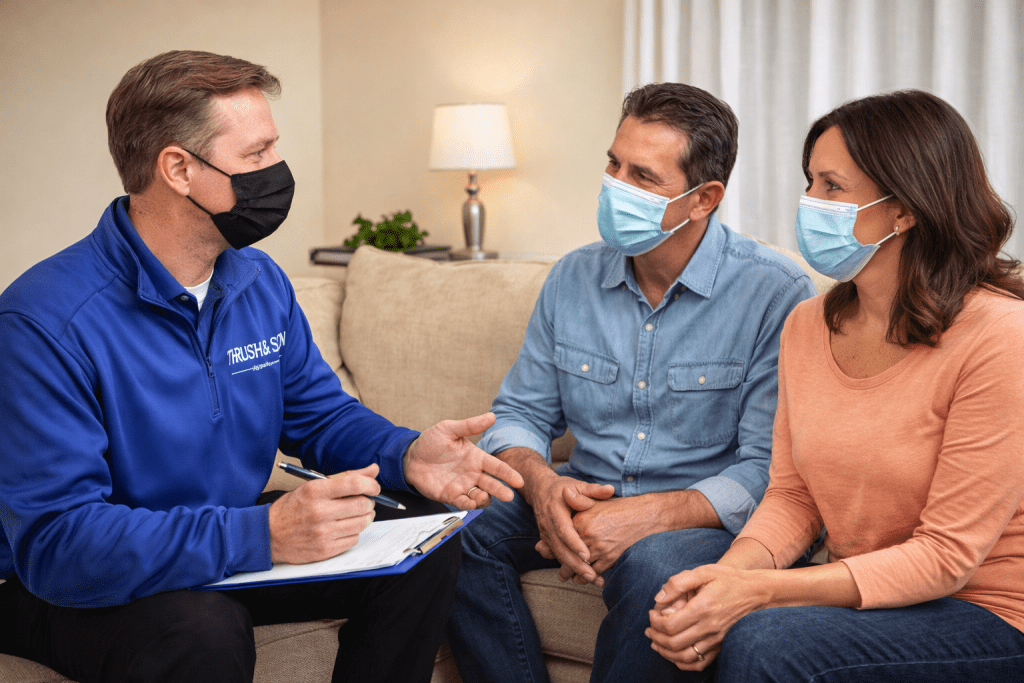
Today most homeowners like to meet face to face, walk the house, and look at samples together, and we’re glad to. If you’d rather keep it to photos, phone calls, and an emailed estimate, that option never went away. You choose how we work with you.
Either way, the process is the same: we walk the roof, photograph what we find, measure it, and put the scope and price in writing. Nothing is ordered until you’ve read it, asked your questions, and signed off, on paper at the kitchen table or on a screen from the couch.
Coronavirus Pandemic Roofing FAQs
Did Thrush & Son keep working during the coronavirus pandemic?
Yes. Construction stayed open under Ohio’s Stay at Home Order, and we kept fixing leaks and replacing roofs with no-contact estimates, electronic contracts, and crews that stayed outside.
How did roofing work stay safe during the coronavirus pandemic?
Estimates were done by phone, video, photos, and aerial measurements; contracts were signed electronically; crews stayed outdoors, wore masks and gloves around homeowners, and sent photo updates.
Do you still offer no-contact estimates?
Yes. You can send photos, approve an estimate by email, and sign electronically. We still walk the outside of the roof before we put a price in writing.
Does a roof replacement require anyone to come inside?
Rarely. Most roofing work happens entirely outside. We may ask to look in the attic for ventilation or leaks, and only with your permission.
How long does a roof replacement take?
Most roof replacements take one to two days, depending on size, layers, and decking condition. We tell you the schedule in writing before work starts.
Something else on your mind? We have answers.
Meet in Person or by Phone
Send us photos or have us walk the roof. Either way, you get a written plan with pictures of what we found. Explore roofing, exterior services, or financing options.
