
Warranty coverage: the fine print that voids it
Warranty coverage sounds great on paper, until you read the fine print. Most homeowners sign off on a warranty without realizing how many exclusions, conditions and loopholes can cancel it. We’ve watched solid warranty coverage turn into zero coverage because of one small, overlooked detail.
A warranty isn’t a safety net. It’s a contract, and manufacturers write it to limit what they owe. Break a rule, even by accident, and the bill is yours. Here are five costly mistakes that void it, and how to avoid every one.
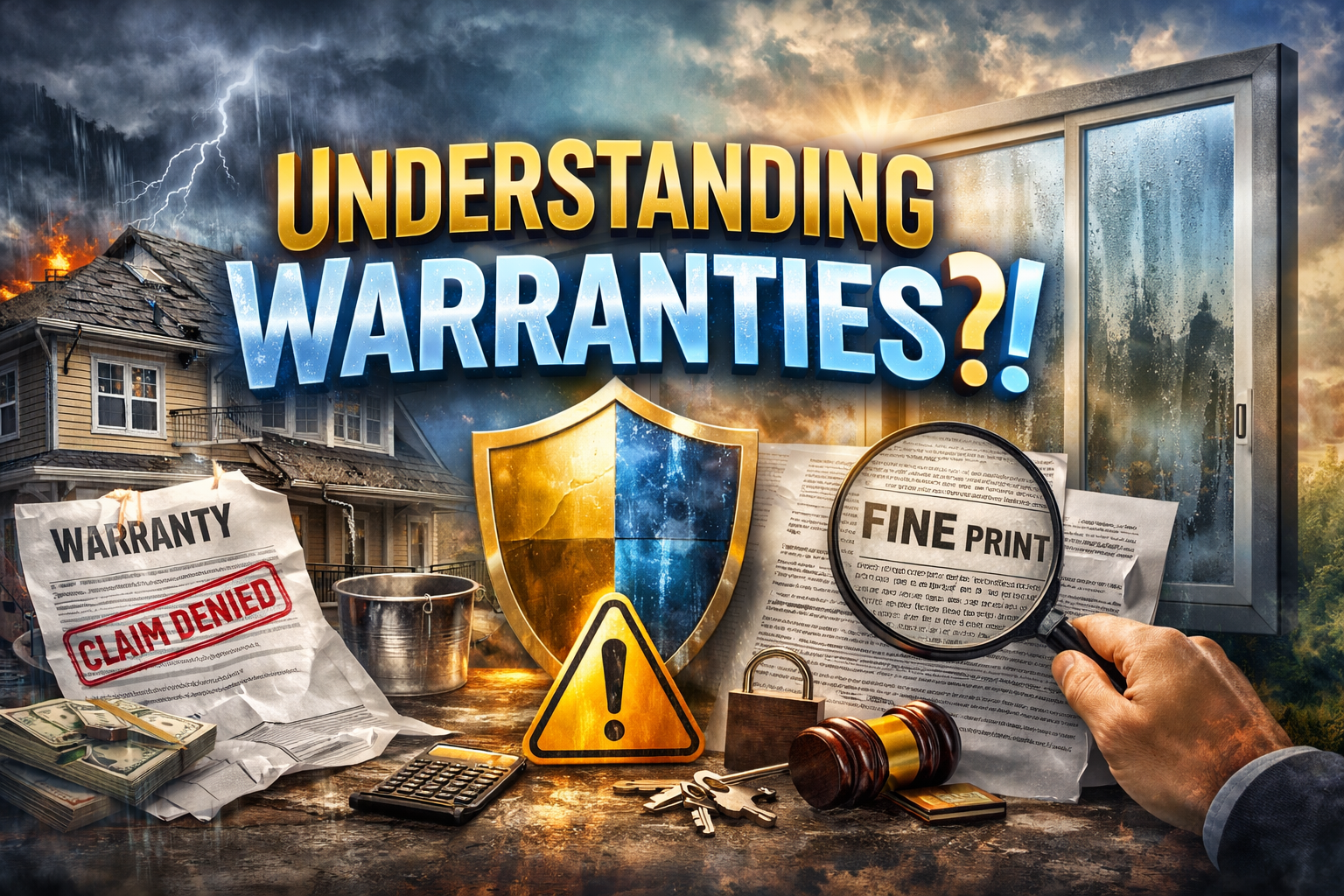
Where warranty coverage quietly disappears
Each one is common, avoidable and spelled out somewhere in the fine print.
-
01Coverage at risk
Putting a storm door over a new entry door
This is the trap we see most. A full-glass storm door with no venting can trap heat against the entry door behind it, especially on a sunny south or west wall. That heat can warp panels, crack finishes and break down seals.
Several door makers say it plainly in their warranty: damage caused by a non-venting, full-glass storm door is not covered.
Do this instead: Before you add a storm door, read the entry door warranty first. If you want both, ask for a vented storm door the door maker approves.
-
02Coverage at risk
Painting or staining a door the wrong way
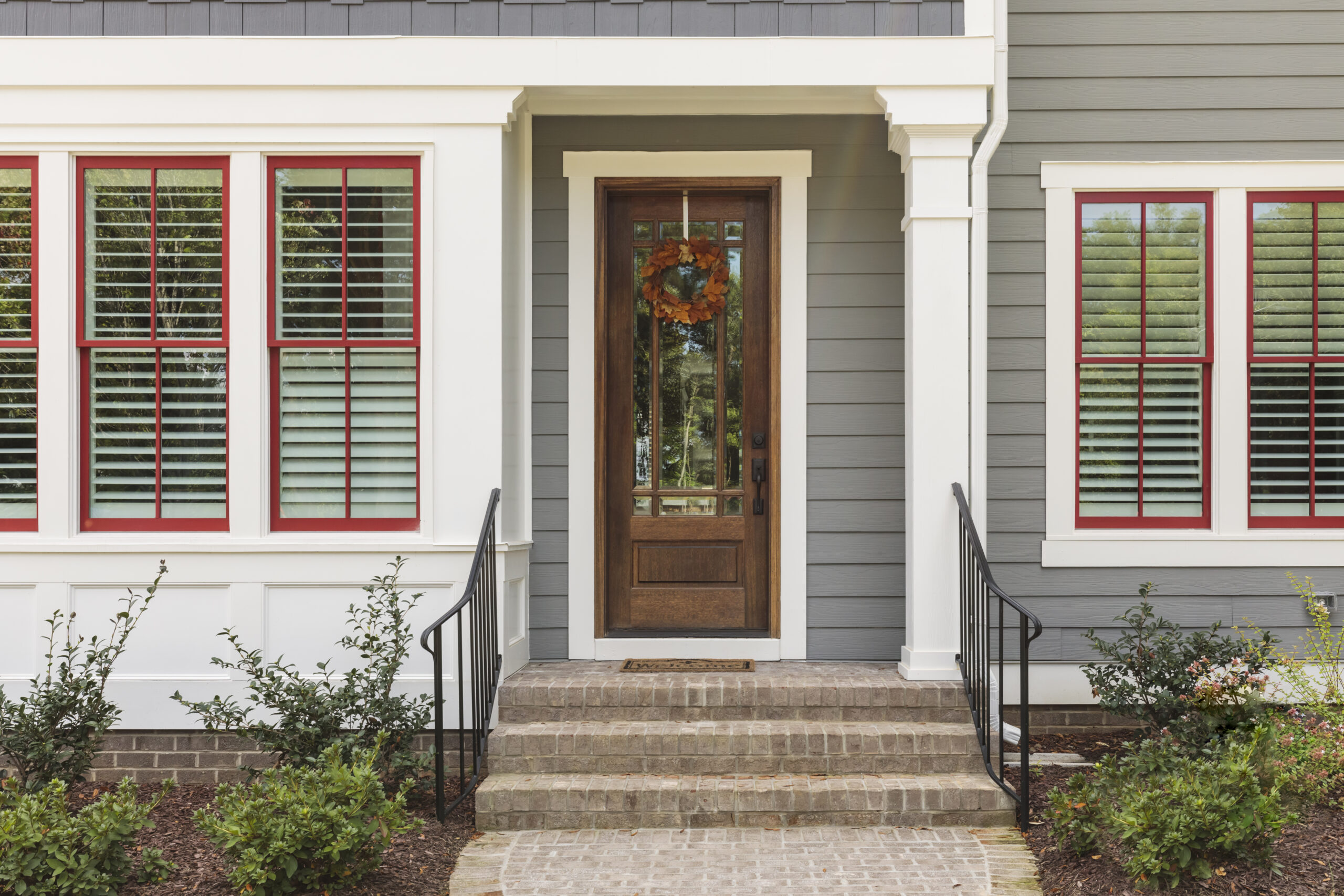
Pre-finished doors from a big-box store often come with a finish warranty, but only if the finish is applied to the manufacturer’s spec. Paint or stain the face without removing the hinges and hardware, skip the top and bottom edges, or use an unapproved product, and that warranty coverage can disappear.
Do this instead: Follow the door maker’s finishing instructions to the letter, or buy a factory-finished door so the job is done before it ships.
-
03Coverage at risk
Assuming every home qualifies
Some warranties only cover owner-occupied, single-family homes. Rentals, flips and some multi-family buildings may get shorter coverage or none at all. The same product on two houses can carry two very different warranties.
Do this instead: If the property is a rental or you plan to sell soon, ask which version of the warranty applies before you choose the product.
-
04Coverage at risk
Ignoring the transfer rules
Transfer terms vary widely. One manufacturer allows a single transfer for a small fee, another drops coverage to a prorated schedule for the next owner, and some warranties can’t be transferred at all. Non-transferable warranty coverage is worth less when you sell, and it leaves the buyer unprotected.
Do this instead: Read the transfer section before you buy, keep your registration paperwork, and hand it to the buyer at closing.
-
05Coverage at risk
Hiring an installer who doesn’t follow the specs
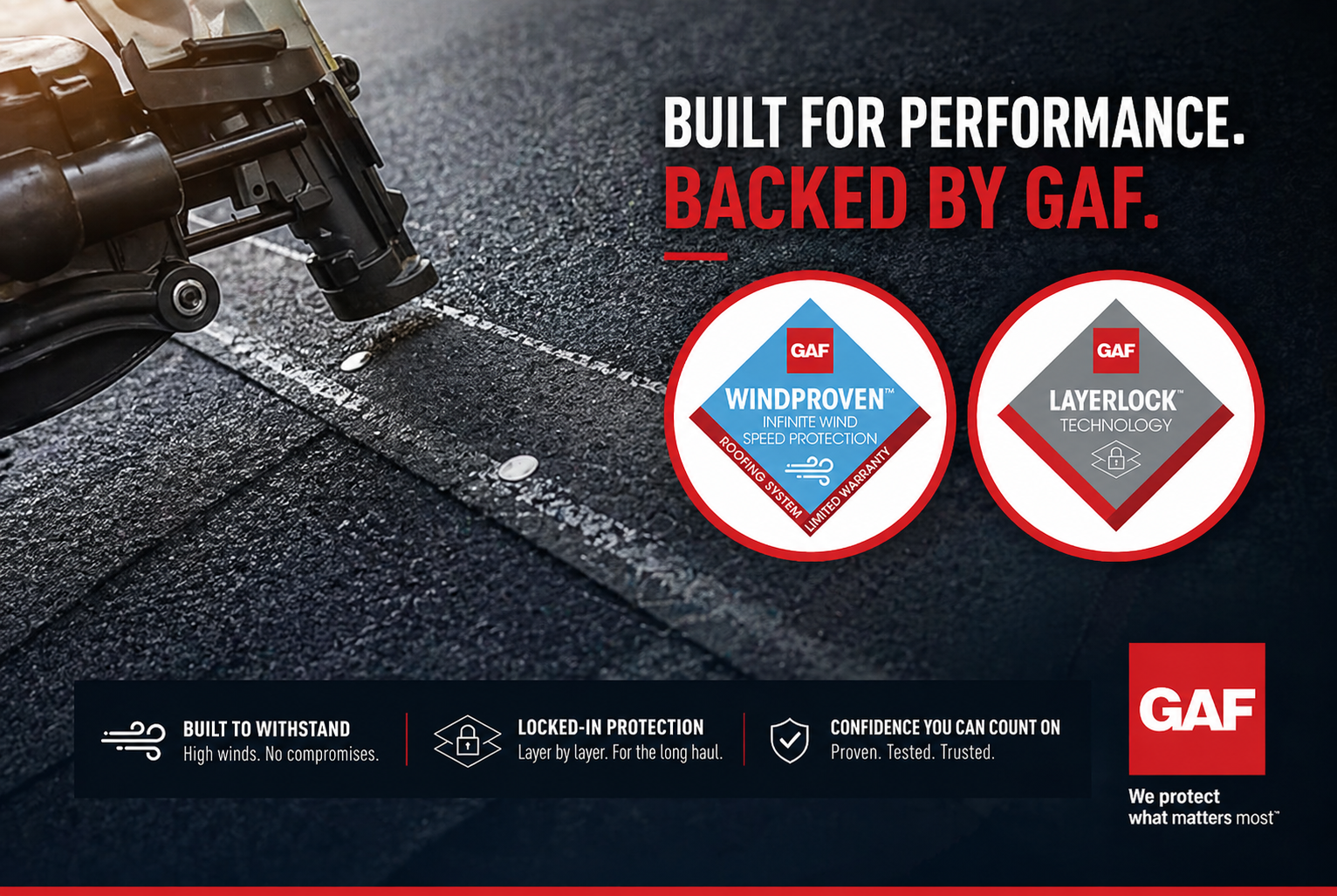
Nearly every warranty excludes damage caused by improper installation, mismatched accessories or skipped steps. A shingle warranty can fall back to basic coverage if the required starter strips, underlayment or ridge caps are missing. Cheap shortcuts and DIY jobs are the fastest way to lose protection.
Do this instead: Hire a manufacturer-certified contractor who installs to spec, registers the warranty and gives you the paperwork.
Six questions that protect your warranty coverage
Ask these before any roofing, siding, window or door contract, and get the answers in writing. A good contractor will answer all six without hesitating.
Want the roofing side in detail? See how GAF’s coverage tiers stack up on our warranties page, or read about the GAF Lifetime Roofing System.
- Which parts are covered: material, labor, or both?
- How long is the full, non-prorated coverage?
- What accessories or installer credentials does it require?
- Does it cover my type of property?
- Can it transfer if I sell, and is there a fee?
- Who registers it, and when will I get proof?
A warranty is only as good as the install behind it
Manufacturers write the rules. Your contractor decides whether they get followed.
Most denied claims trace back to installation: the wrong nails, a missing accessory, a skipped step or a warranty that never got registered. That’s why the contractor you hire matters as much as the product you pick.
A manufacturer-certified installer knows the specs, uses approved materials and documents the job, so your warranty coverage is still there when you need it.
At Thrush & Son, we install roofing to GAF’s warranty requirements, and we follow each manufacturer’s instructions on entry doors, windows and siding. Product makers like Masonite publish their warranty terms online, and we’ll walk you through them before you sign.
Quick answers before you buy
The questions homeowners ask us most about warranties.
What is warranty coverage on a home improvement product?
Warranty coverage is the manufacturer's written promise to stand behind a product for a set time. It usually covers defects in the material, and sometimes the labor to replace it. What it covers, and for how long, depends on the fine print.
Can a storm door void my entry door warranty?
It can. Some door manufacturers exclude damage caused by a full-glass, non-venting storm door because it can trap heat against the door. Check your entry door warranty before adding one.
Does painting a door void the warranty?
It can if the door isn't finished to the manufacturer's instructions. Many finish warranties require removing hinges and hardware, sealing every edge and using approved products.
Is warranty coverage transferable when I sell my house?
Sometimes. Some warranties transfer once for a fee, some become prorated for the next owner and some can't transfer at all. Read the transfer section before you buy.
How do I keep my warranty coverage valid?
Use a certified installer who follows the manufacturer's specs, use the required accessories, make sure the warranty is registered, keep your paperwork and handle routine maintenance.
Compare 5 GAF coverage levels in one place
Our warranties guide breaks down material, system and workmanship coverage, GAF’s five roofing tiers and the siding fine print, so you know exactly what you’re getting.

Built on trust since 1960
Thrush & Son® is a family-owned roofing and exterior company serving Miami, Montgomery, Greene and Warren counties and the rest of the Miami Valley.
We handle roofing, siding, windows, doors and seamless gutters, and we help homeowners make upgrades that protect what matters most. Explore our exterior home upgrades across the Miami Valley.
- Best of Dayton Winner 2024
- Best of Dayton Nominee 2025 & 2026
- Brookville Chamber Partner of the Year
- GAF President’s Club
- BBB Accredited A+
- Family-owned since 1960
