CertainTeed Siding FAQs: Everything You Need to Know Before You Buy
Dayton’s Trusted Exterior Experts
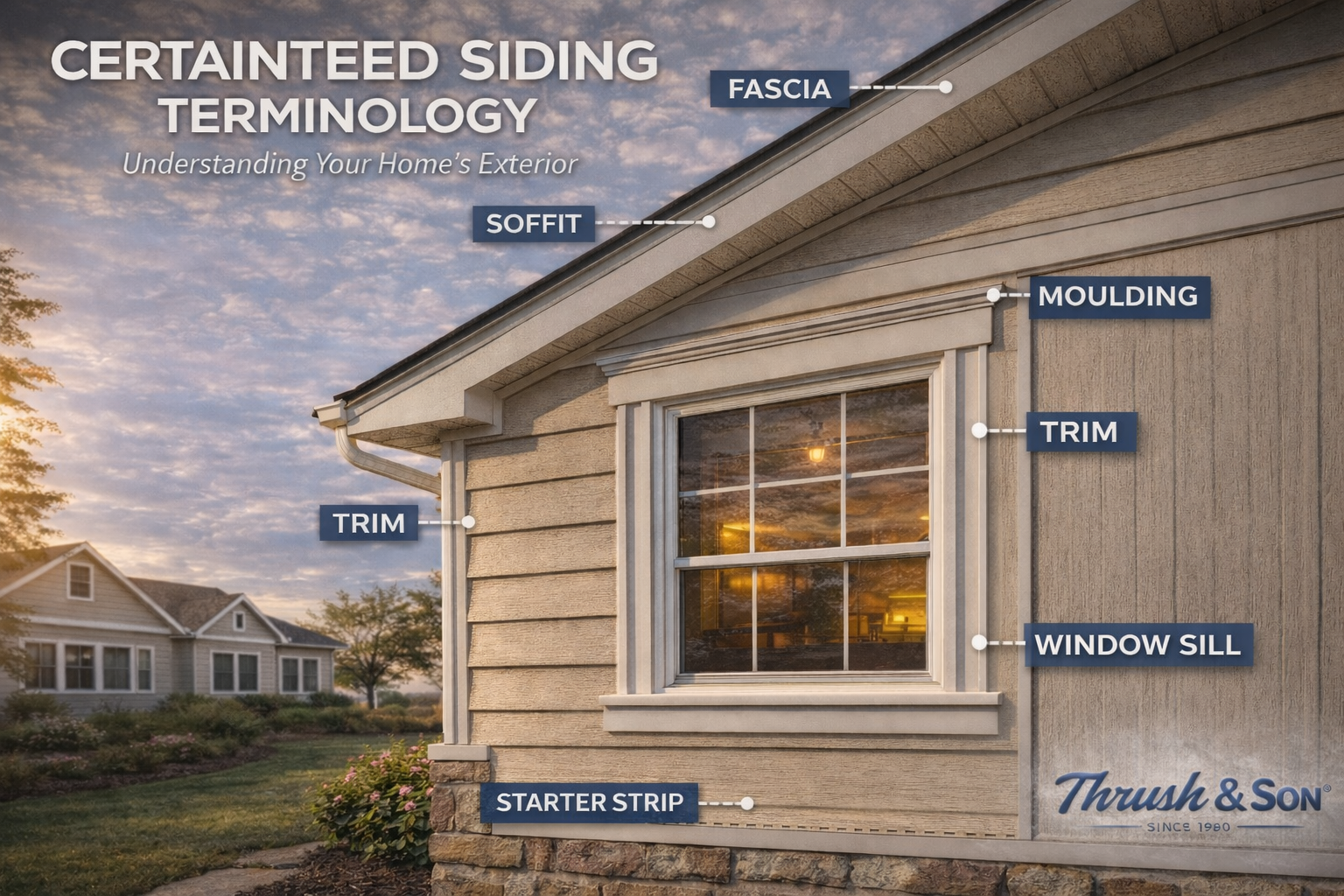
Understanding CertainTeed Siding terminology is one of the smartest things a homeowner can do before starting an exterior upgrade. When you know what the key terms mean, it becomes much easier to compare products, understand durability, evaluate energy efficiency, and make decisions that bring real long-term value to your home.
This glossary was created to break down important CertainTeed Siding terms in a simple, practical way, so you can feel more confident throughout the buying process. Whether you are just beginning your research or getting ready to choose the right siding profile, color, or insulation options, having a better understanding of the language can help you avoid confusion, ask better questions, and steer clear of costly mistakes.
You Have Siding Questions? We Have Answers!
How does siding compare with other exterior materials?
When compared to brick, wood, stone, or stucco, vinyl siding remains one of the most popular exterior cladding options in the United States. It offers a lower upfront investment and significantly reduced long-term maintenance. Unlike wood, it won’t require frequent painting or staining. High-quality vinyl siding from manufacturers like CertainTeed delivers the look of real wood with a wide range of low-gloss colors and durable finishes, backed by strong warranty protection.
What exterior design options do I have with vinyl siding?
Vinyl siding offers a wide range of design possibilities to enhance your home’s exterior. Options include horizontal and vertical panels, shakes, scallops, shingles, traditional clapboard, Dutch lap, and beaded styles. With premium lines from CertainTeed, homeowners can choose from realistic woodgrain textures, multiple panel widths, and an extensive color palette. You can mix and match styles and colors to create a fully customized look that fits your home’s architecture.
I am planning on upgrading my brick and partially wood siding home. Can I incorporate vinyl siding?
Yes. Vinyl siding is extremely versatile and can be seamlessly integrated with existing materials like brick or wood. Many homeowners choose to combine materials to create contrast and improve curb appeal. A professional contractor can ensure proper installation and transitions between surfaces for a clean, finished look.
Is vinyl siding really as durable?
Absolutely. Vinyl siding is made from polyvinyl chloride (PVC), a durable material used in a wide range of demanding applications. It resists rot, cracking, denting, and warping, and it won’t peel or blister like painted surfaces. Because the color runs throughout the material, it doesn’t require scraping, sanding, or repainting. Premium products, including those from CertainTeed, are engineered for long-term performance and weather resistance.
What is insulated siding?
Insulated siding is vinyl siding that includes a layer of rigid foam insulation permanently attached to the panel. This added insulation helps improve your home’s energy efficiency by reducing thermal bridging and minimizing heat loss through the walls. Insulated siding also enhances impact resistance and can help create a quieter, more comfortable interior environment.
What is R-Value?
R-Value measures a material’s ability to resist heat flow—the higher the R-value, the better the insulation performance. Insulated vinyl siding increases your home’s overall R-value by adding a continuous layer of insulation on the exterior, helping improve energy efficiency and reduce heating and cooling costs.
What is the best way to guarantee my vinyl siding will perform as promised?
Look for siding products that meet or exceed industry standards and certifications, such as those established by ASTM and the Vinyl Siding Institute (VSI). High-quality siding from trusted manufacturers like CertainTeed undergoes rigorous third-party testing for durability, color retention, and performance. Choosing a reputable contractor for proper installation is equally important to ensure long-term results.
If painting isn't required, how do I maintain my vinyl siding?
Vinyl siding is very low maintenance. It can typically be cleaned with a garden hose and mild soap. For tougher dirt or buildup, use a soft-bristle brush and a manufacturer-approved cleaning solution. For best results, clean from the bottom up and rinse thoroughly from the top down to avoid streaking. Routine cleaning helps keep your siding looking like new.
Is vinyl siding resistant to moisture?
Yes. Vinyl siding is designed to handle moisture effectively and does not absorb water, making it resistant to rot, mold, and mildew. When properly installed, it allows moisture to escape while protecting the structure of your home. This makes it a reliable option in a wide range of climates.
Can severe weather affect my vinyl siding?
Vinyl siding is engineered to withstand tough weather conditions, including high winds, temperature fluctuations, and moisture exposure. Many premium siding products are rated to handle strong wind loads and are built to maintain their integrity during severe storms. Proper installation further enhances its performance and durability.
Are vinyl siding products made in the USA?
Many leading siding manufacturers, including CertainTeed, produce their products in the United States. This ensures consistent quality, adherence to strict manufacturing standards, and reliable availability for homeowners.