
Vinyl Siding Styles: 4 Ultimate Looks to Elevate Your Home
Vinyl siding styles give homeowners endless ways to refresh an exterior while delivering durability, low maintenance, and long-term value. Pick a texture to jump straight to it:
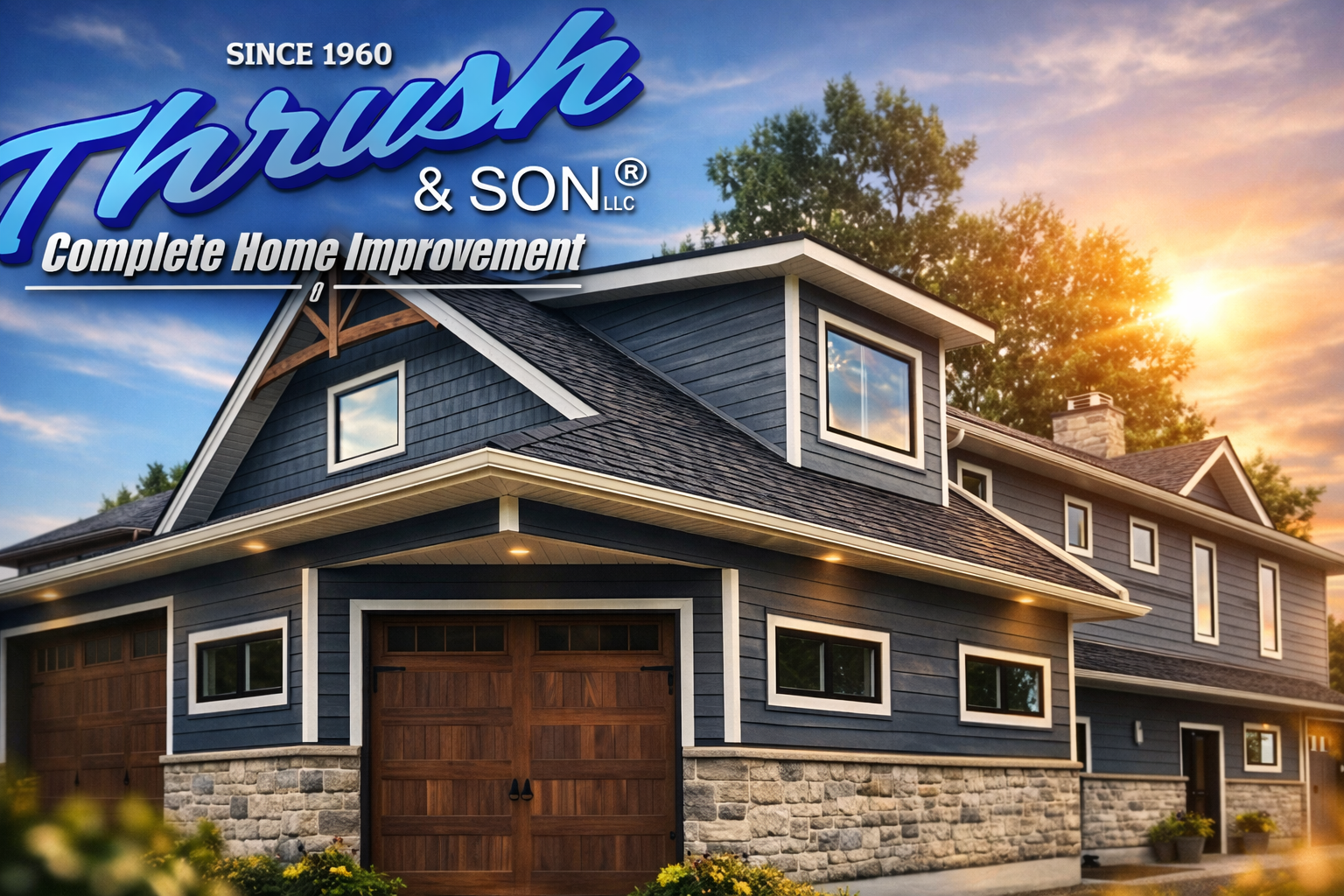
At Thrush & Son®, we’ve helped Miami Valley families choose siding since 1960, for homes that look sharp, stand up to Ohio’s seasons, and need almost no upkeep. Whether you’re updating a dated facade or getting ready to sell, the right vinyl siding style can transform the whole property.
Below, mix walls and gables in our Style Swapper, then dig into the four vinyl siding styles we recommend most and the rules for combining them. When you’re ready, see every option on our siding replacement page.
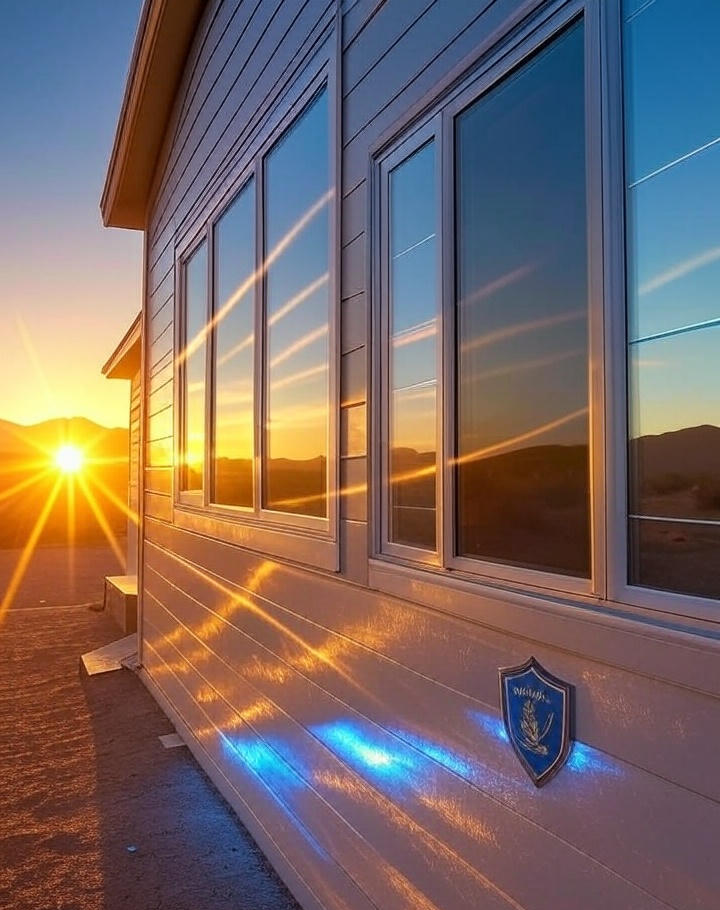
Why Vinyl Siding Styles Stay on Top
Today’s premium vinyl siding styles combine realistic textures with color that runs through the panel, so there’s nothing to peel and nothing to repaint. Many premium lines carry lifetime limited warranties, and insulated versions add comfort behind the same look.
Installed right, they deliver decades of good looks with nothing more than an occasional rinse. Our crews follow the industry’s Vinyl Siding Installation Manual on every wall, because even a premium style looks wavy when it’s nailed tight.
The Style Swapper
Most great exteriors use two vinyl siding styles: one for the walls and one for the gable. Mix them on this house, pick a color, then flip on insulated panels and watch the shadow lines deepen.
4 Vinyl Siding Styles We Recommend Most
Each of these vinyl siding styles has a personality, a set of homes it suits, and a smart way to use it. Here’s the spec sheet.
Classic horizontal lap
The most popular vinyl siding styleClean, overlapping lines that mimic painted wood clapboard. Lap is the gold standard among vinyl siding styles because it fits almost any architecture, and changing the exposure changes the personality: narrow triple 3″ reads historic, wide double 5″ reads relaxed and modern. Compare profiles on our vinyl siding page.
- Profiles
- Single 7″ clapboard, double 4″ and 5″, triple 3″, and Dutch lap
- Ideal for
- Colonials, ranches, cape cods, and contemporaries
- Pairs with
- Brick, stone, or a shake accent in the gable
Insulated vinyl siding
The upgrade that works under any lap lookInsulated isn’t a separate look so much as a better version of lap. The foam stiffens each board, so long walls stay straight through Ohio’s temperature swings, and the thicker profile casts a richer shadow. See the science in our guide to insulated siding, or price it on our insulated vinyl siding page.
- What it adds
- A contoured foam backer fused to the panel
- You feel
- Fewer drafts, quieter rooms, flatter walls
- You see
- Deeper, crisper shadow lines on long walls
Shake and scallop
Texture and charm, without the cedar upkeepShake and shingle vinyl siding styles copy the varied widths and deep texture of natural cedar, minus the staining, splitting, and woodpecker damage. Most homeowners use them as an accent so the texture has somewhere to stand out; a full-shake house suits cottage and craftsman designs.
- Looks like
- Split cedar shakes, straight-edge shingles, or half-round scallops
- Ideal for
- Craftsman, cottage, Victorian, and coastal-style homes
- Smart use
- Gables, dormers, and porch walls as an accent
Board and batten
Vertical lines with modern farmhouse impactBoard and batten turns the grain vertical, which makes walls feel taller and gives a house an architectural, built-on-purpose look. Right now it’s one of the most requested vinyl siding styles we install. Try it in color on our board and batten visualizer, or see options on our vertical siding page.
- Looks like
- Wide boards with narrow battens covering the seams
- Ideal for
- Modern farmhouses, barns, additions, and accent walls
- Smart use
- Gables and entries on lap houses, or the whole house
Match the Style to the House
The fastest way to narrow your choices is to start with the architecture you already have. Here’s how we pair vinyl siding styles with the six home types we see most across the Miami Valley.
Colonial
- Walls
- Double 4″ lap
- Accent
- Shutters and wide corner posts
Symmetry favors a narrow, even shadow line.
Ranch
- Walls
- Double 5″ or Dutch lap
- Accent
- Board and batten at the entry or garage gable
Wider exposure keeps a long, low house from looking busy.
Craftsman
- Walls
- Lap walls
- Accent
- Shake in every gable
Texture up high echoes the deep eaves and tapered porch posts.
Modern farmhouse
- Walls
- Board and batten
- Accent
- Lap on the sides or a bold contrasting trim
Vertical lines add height and that built-on-purpose look.
Victorian
- Walls
- Narrow triple 3″ lap
- Accent
- Scallops in the peaks
The fish-scale texture is a nod to the original millwork.
Split-level
- Walls
- Insulated lap
- Accent
- Board and batten on the upper level
One accent ties the two stories into one design.
3 Rules for Mixing Styles
Combining vinyl siding styles is where a good exterior becomes a memorable one. These three rules keep your vinyl siding styles looking designed, not accidental.
- Two textures, not four. One for the walls, one for the accent. A third texture almost always looks busy from the street.
- Let the architecture choose. Accents belong in gables, dormers, porch walls, and entries, the places the roofline already frames.
- Tie it together with trim. Matching corner posts, window surrounds, and exterior trim make two textures read as one house.
Sample Board: Your Questions
The questions homeowners ask most when they’re choosing between vinyl siding styles.
Which vinyl siding style is the most popular?
Horizontal lap, by a wide margin. It suits almost every home style, comes in several exposures, and pairs easily with brick, stone, and accent textures.
Can I mix vinyl siding styles on one house?
Yes, and it often looks better. A common recipe is lap on the walls with shake, scallop, or board and batten in the gables. Keep it to two textures and one color family so the house reads as one design.
Is insulated siding its own style?
Not really. Insulated siding is a lap profile with a foam backer. It looks like premium lap with deeper shadow lines, and it adds comfort and stiffness behind the same look.
Does board and batten work on a whole house?
It can, especially on modern farmhouse and barn-style homes. On a traditional colonial, it usually shines as an accent in the gables or around the entry.
Measured in Generations
Every project starts with a tape measure. So does our story: one family, one town, and more than six decades of measuring twice and cutting once on homes just like yours.
Family-owned and Miami Valley proud, Thrush & Son® handles roofing, siding, windows, doors, and seamless gutters for homeowners across Dayton and the Miami Valley. See finished vinyl siding styles on real homes in our project gallery, or read how vinyl siding durability holds up over time.
- President’s Club Contractor
- Best of Dayton 2024 Winner
- 2025 & 2026 Finalist
- BBB Accredited A+
See the Samples at Your Kitchen Table
We’ll bring real panels, profiles, and colors to your house, hold them up against your brick and your roof, and help you narrow it to the one that fits. Ask about financing with a soft credit check. Call 937-833-5136.
Michelle, our AI assistant, answers 24/7
Office: Mon–Thu 9–4, Fri 9–2
