Understanding Warranties: Costly Mistakes Homeowners Make | Part 3
Understanding warranties is one of the most overlooked responsibilities homeowners face when investing in major exterior upgrades. Roofs, windows, siding, and gutters all come with warranties—but too often, homeowners assume coverage exists without knowing the rules that govern it. That misunderstanding can lead to denied claims, unexpected costs, and frustration when protection is needed most. In this installment, we break down where homeowners go wrong, how warranty systems really work, and what steps protect your investment long after installation day.
Understanding Warranties Starts With System Compatibility
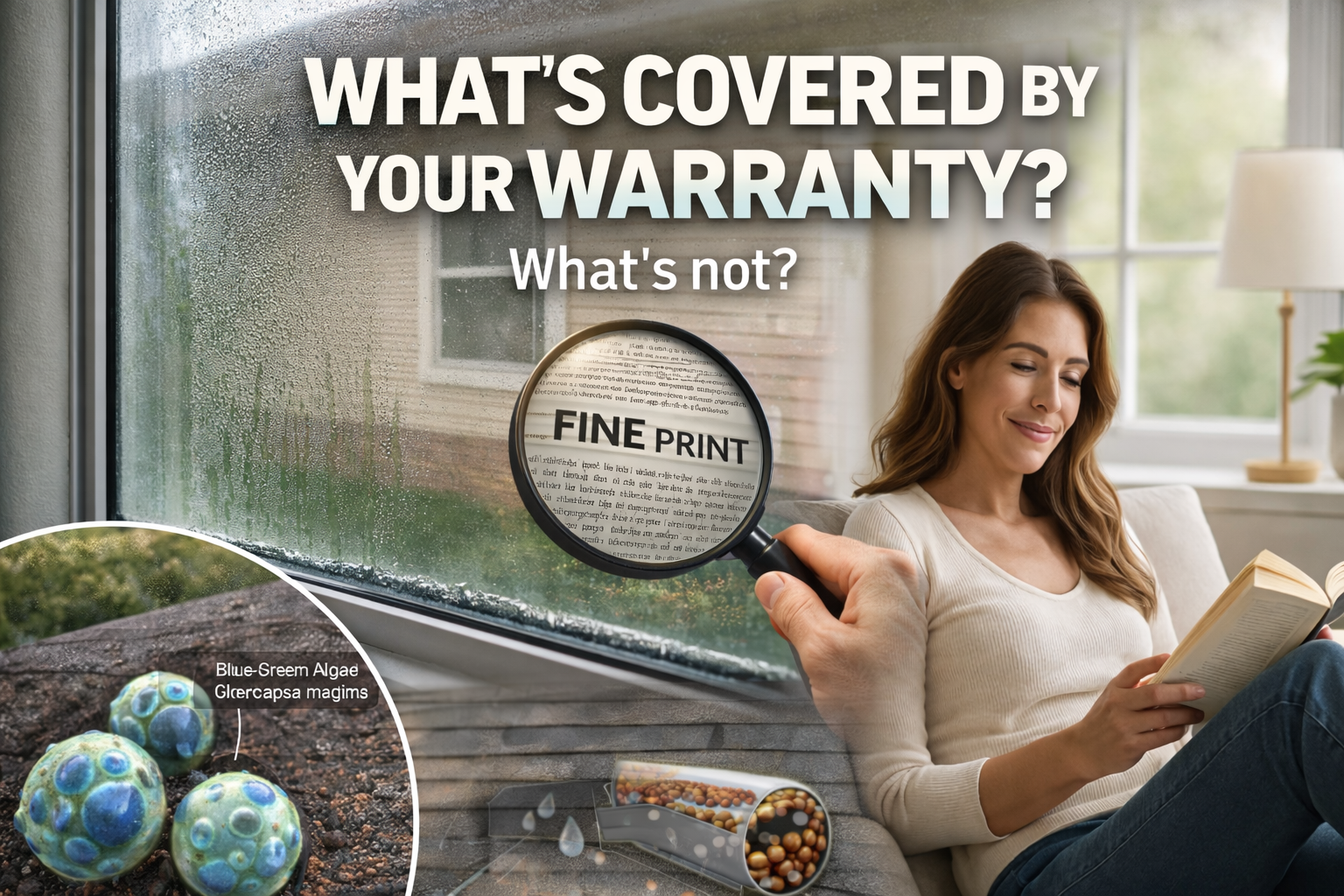
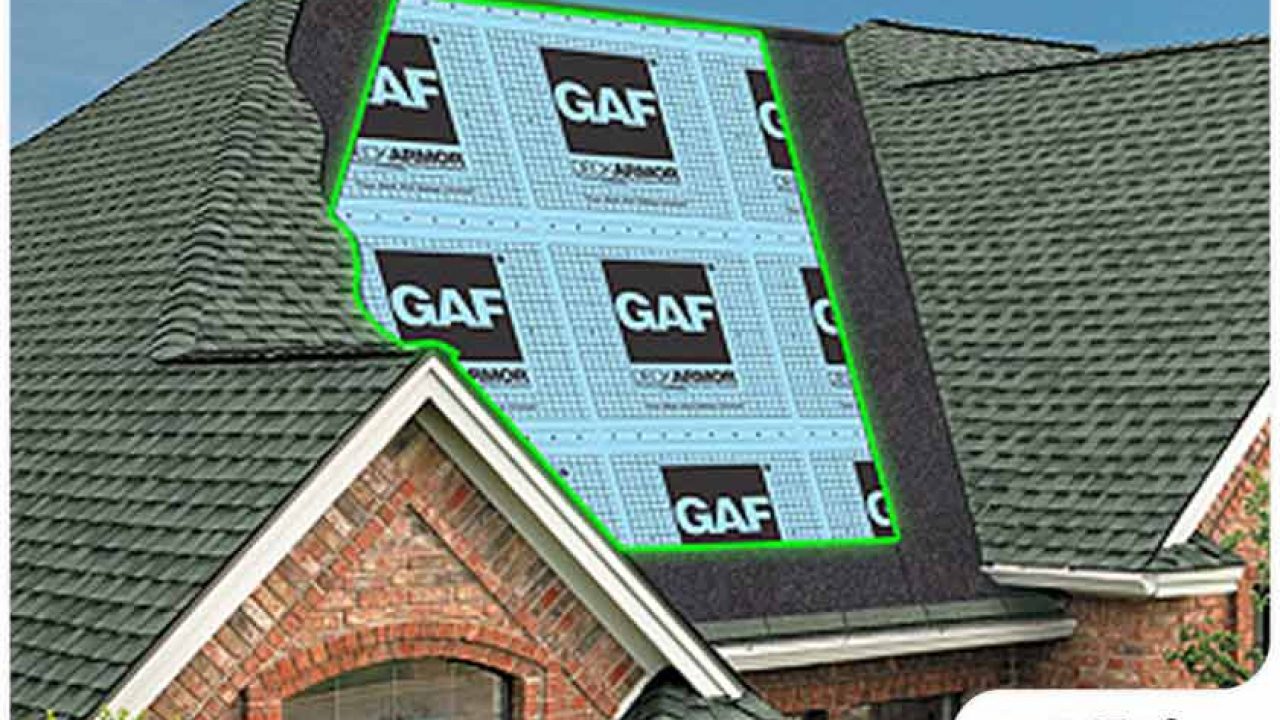
One of the biggest mistakes homeowners make is assuming a warranty applies to individual products rather than the full system. In reality, many manufacturer warranties depend on compatibility between components. Mixing materials, substituting generic accessories, or skipping required elements can quietly reduce coverage or void it entirely. When upgrading your roof or exterior, always confirm whether the materials installed are designed to work together. A system built with mismatched components may look fine on day one—but warranty limitations often surface only when a claim is filed.
Understanding Warranties Means Knowing What Is NOT Covered
Homeowners frequently focus on what a warranty includes while ignoring exclusions. This is where most surprises happen. Common exclusions may involve labor, disposal fees, accessories, weather thresholds, or installation conditions. Understanding warranties requires reading beyond the headline promises. Coverage terms vary, and some warranties only apply if specific documentation, inspections, or registrations are completed. Skipping these steps can eliminate protection entirely.
Why Manufacturer Requirements Matter More Than You Think
Manufacturers often set strict conditions for enhanced coverage. These conditions may include contractor certification, approved installation methods, or mandatory accessory usage. Homeowners rarely see these details unless they ask. Choosing a contractor familiar with manufacturer requirements is critical. Certified installers understand how warranty eligibility works and how to preserve coverage from day one.
How Understanding Warranties Connects to Other Home Systems
Understanding warranties doesn’t stop at roofing. Windows, siding, insulation, and ventilation systems all affect performance and moisture control. When one component fails, it can impact another—and warranties may not overlap. That’s why homeowners should review how exterior systems work together. For example, window efficiency metrics like R-value and U-factor influence condensation risk and long-term performance. This breakdown offers helpful insight: R-Value vs. U-Factor Explained.

Understanding Warranties Helps You Avoid Claim Denials
Warranty claims often fail due to missing documentation, improper installation, or excluded conditions. Homeowners may assume coverage applies automatically—but manufacturers require proof. Always keep contracts, invoices, warranty registrations, and inspection reports. These records are essential when filing a claim and often determine whether coverage is honored.
One Smart Tie-In Homeowners Should Read
If you’re investing in exterior upgrades, warranties should be considered alongside long-term durability and installation quality. This internal resource explains how professional installation and proper system design affect roof performance: New Roof Installation in Dayton, Ohio.
Understanding warranties across multiple exterior systems allows homeowners to make informed decisions, avoid gaps in coverage, and protect their investment before issues arise.
Bottom Line: Understanding Warranties Protects Your Investment
Home improvement warranties are not just paperwork—they’re contracts with rules. Homeowners who understand those rules avoid denied claims, surprise costs, and unnecessary stress. Understanding warranties means asking questions, choosing qualified professionals, and keeping records. That effort pays off when protection is needed most.
Miami Valley’s Trusted Roofing & Exterior Pros
Thrush & Son® Roofing & Exterior Solutions proudly serves Dayton and Cincinnati homeowners with proven systems, certified installations, and transparent guidance. From roofing and storm inspections to windows, siding, and gutters, our focus is long-term performance—not shortcuts. When protecting your home matters, work with professionals who understand how warranties really work. For additional ideas on improving exterior performance year-round, explore exterior home upgrades across the Miami Valley.