Severe Condensation: 5 Epic Fixes Revealed
Severe condensation on windows is that frustrating fog-up that turns your views hazy, promotes mold growth, and signals bigger issues like poor insulation or failing spacers. At Thrush & Son, we’ve seen this problem plague thousands of homes nationwide since 1960—often leading to energy waste, interior damage, and uncomfortable living. But the good news? Severe condensation is fixable with the right window upgrades, and it doesn’t have to be a mystery. Let’s break down why this happens, how it forms, the role of spacer systems and uninsulated glass, and the epic solutions that stop it cold. With our family-owned expertise, we’ll show you how to turn condensation from a headache into a thing of the past.
Why Severe Condensation Happens on Windows
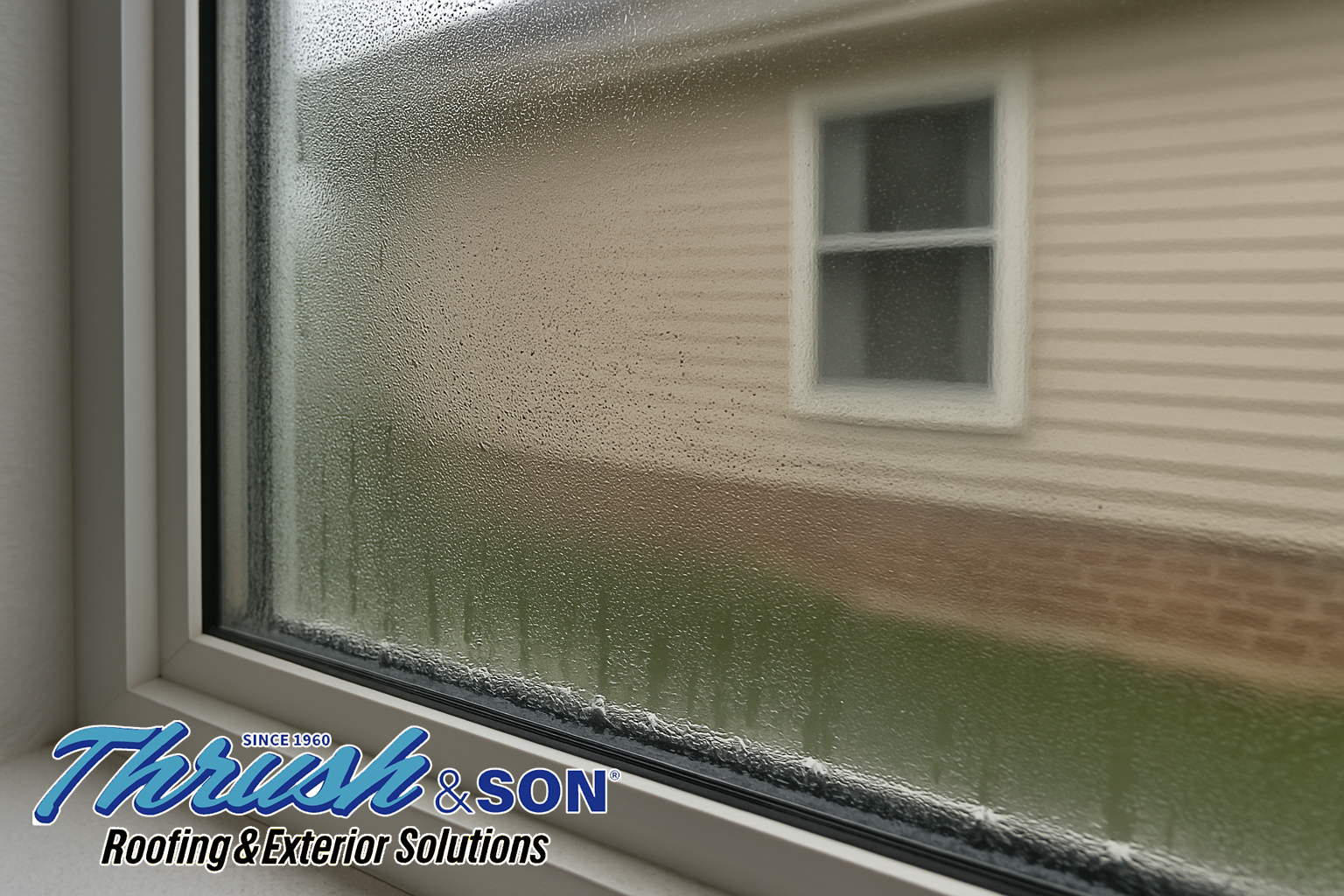
Condensation occurs when warm, humid indoor air meets cold window glass, causing moisture to condense into droplets or fog. It’s worse in winter when outside temps drop and indoor humidity rises from cooking, showers, or poor ventilation. But severe condensation isn’t just annoying—it’s a red flag for energy inefficiency, potential mold growth, and structural damage if left unchecked.
How Condensation Forms: The Science
Condensation forms through a process called dew point: when air temperature drops below its moisture-holding capacity, water vapor turns to liquid on cold surfaces like glass. In old windows, single-pane glass or thin double-panes conduct cold straight inside, hitting dew point fast. High indoor humidity (above 30–50%) exacerbates the problem, turning minor fog into dripping mess. Poor seals or drafts pull in cold air, worsening the cycle—leading to rot, mildew, and higher heating bills.
Spacer Systems: The Hidden Culprit in Condensation

Spacer systems separate glass panes in double or triple-glazed windows, creating an insulating air pocket. Traditional aluminum spacers conduct cold, promoting severe condensation by chilling the inner glass. Modern warm-edge spacers (fiberglass, foam, or hybrid materials) reduce heat transfer by 50–70%, keeping inner panes warmer and dew point higher. Thrush & Son recommends warm-edge spacers with argon fill for maximum efficiency—virtually eliminating condensation while slashing energy loss.
Uninsulated Glass: Why It Fuels Severe Condensation
Glass with no insulation inside—like single-pane or basic double-pane without gas fill—is a condensation magnet. These setups transfer cold directly indoors, causing moisture to form fast. Upgrading to multi-pane glass with low-E coatings and argon/krypton gas changes the game—coatings reflect heat back inside, gas fills add insulation, keeping surfaces warmer and condensation at bay. It’s like giving your windows a built-in shield against fog and drafts.
5 Epic Fixes to Stop Condensation Forever
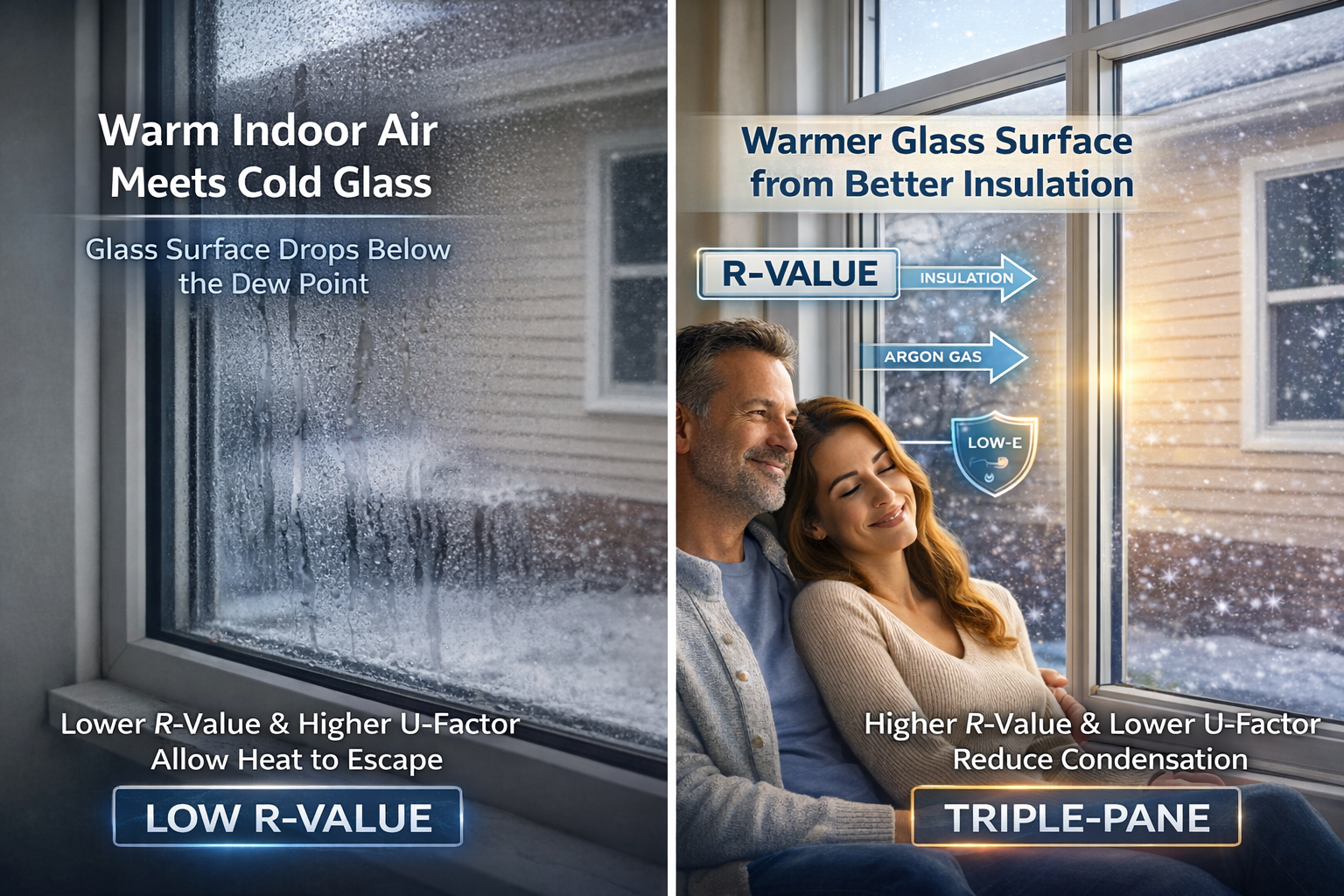
1. Upgrade to Warm-Edge Spacer Windows — Replace old units with multi-pane windows featuring warm-edge spacers and low-E glass to keep inner surfaces warmer and prevent condensation. 2. Add Gas-Filled Panes — Argon or krypton fills between panes act as insulators, raising dew point and stopping severe condensation even in cold climates. 3. Improve Indoor Ventilation — Exhaust fans, dehumidifiers, or HRVs lower humidity levels, reducing the moisture available for condensation. 4. Seal Drafts & Air Leaks — Caulk frames, add weatherstripping, and insulate around windows to block cold air that triggers condensation. 5. Professional Installation — Thrush & Son ensures every detail—from spacers to seals—eliminates severe condensation for good with warranty-backed results. External resource: Learn more about window efficiency from the National Fenestration Rating Council: nfrc.org. Complement your window upgrades with other improvements: Parts of a Roof, Vinyl Siding Styles, and Casement Windows Guide.
Built on Trust Since 1960 — Trusted by Generations

We don’t simply install materials — we guide you toward smart improvements that elevate comfort, strengthen protection, and add lasting value to your home. From energy-efficient casement windows to full exterior transformations, every upgrade is built with durability, performance, and standout curb appeal in mind.