Attic Ventilation Options: 7 Powerful Choices Revealed
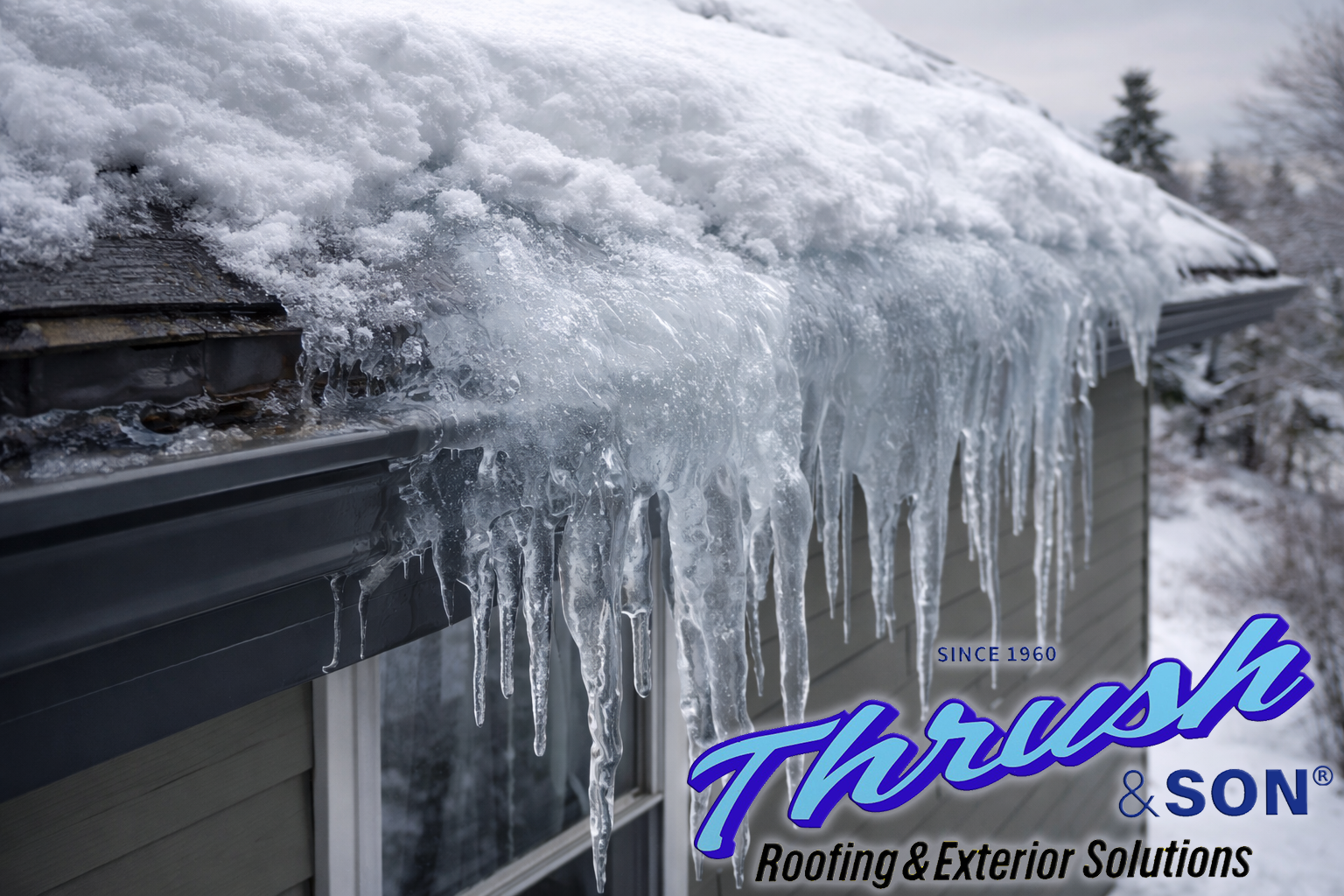
Attic ventilation is the unsung heroes of a long-lasting roof. Proper airflow removes trapped heat and moisture, prevents ice damming, extends shingle life, reduces energy bills, and protects your home’s structure from rot and mold.
Why Attic Ventilation Options Are Critical

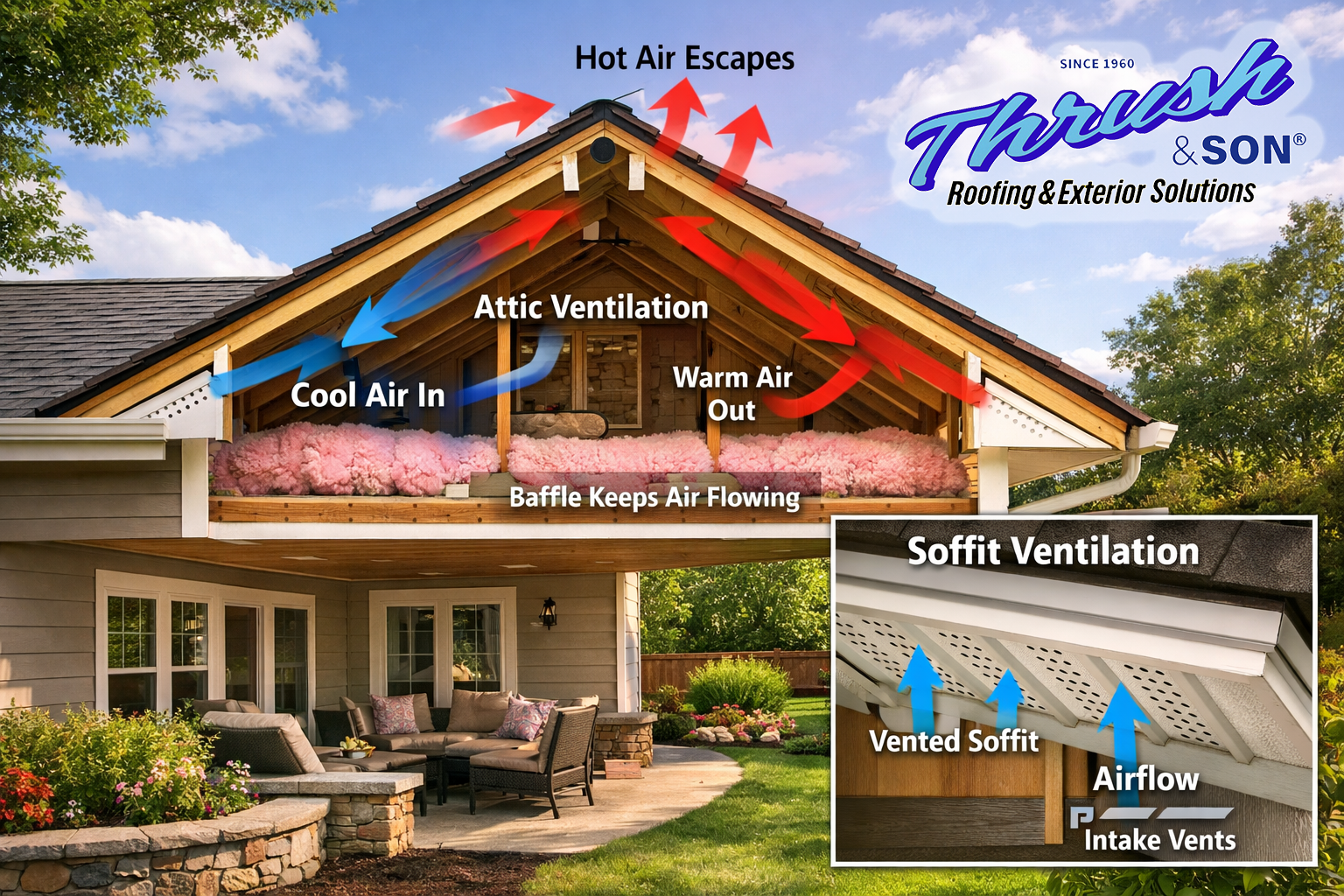
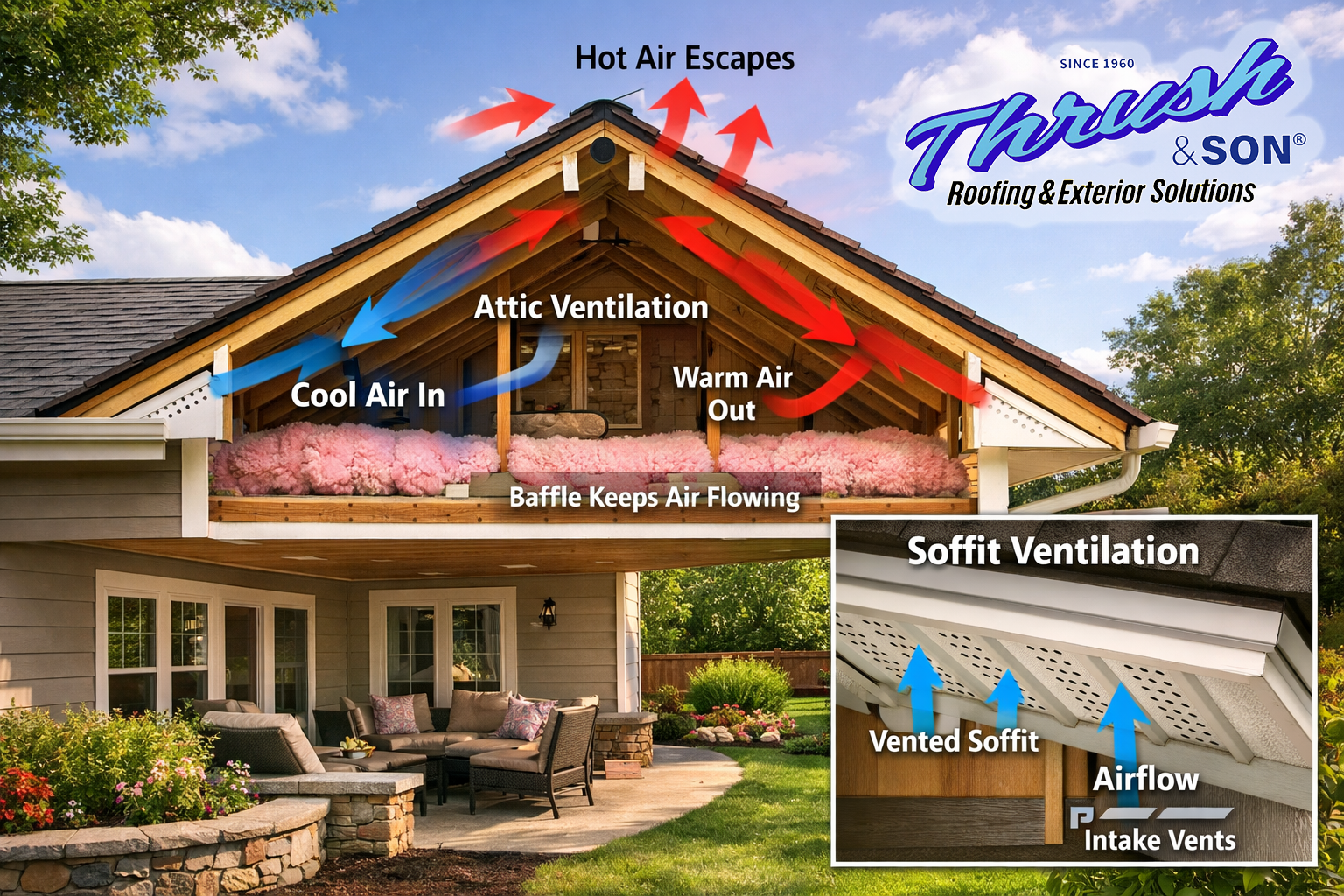
Attic ventilation create balanced airflow: cool air enters through intake vents (soffits) and hot, moist air exits through exhaust vents (ridge, gable, power). This simple system keeps the attic temperature closer to outside air, stopping heat buildup that bakes shingles and causes premature failure.
1. Ridge Vents – The Gold Standard Exhaust
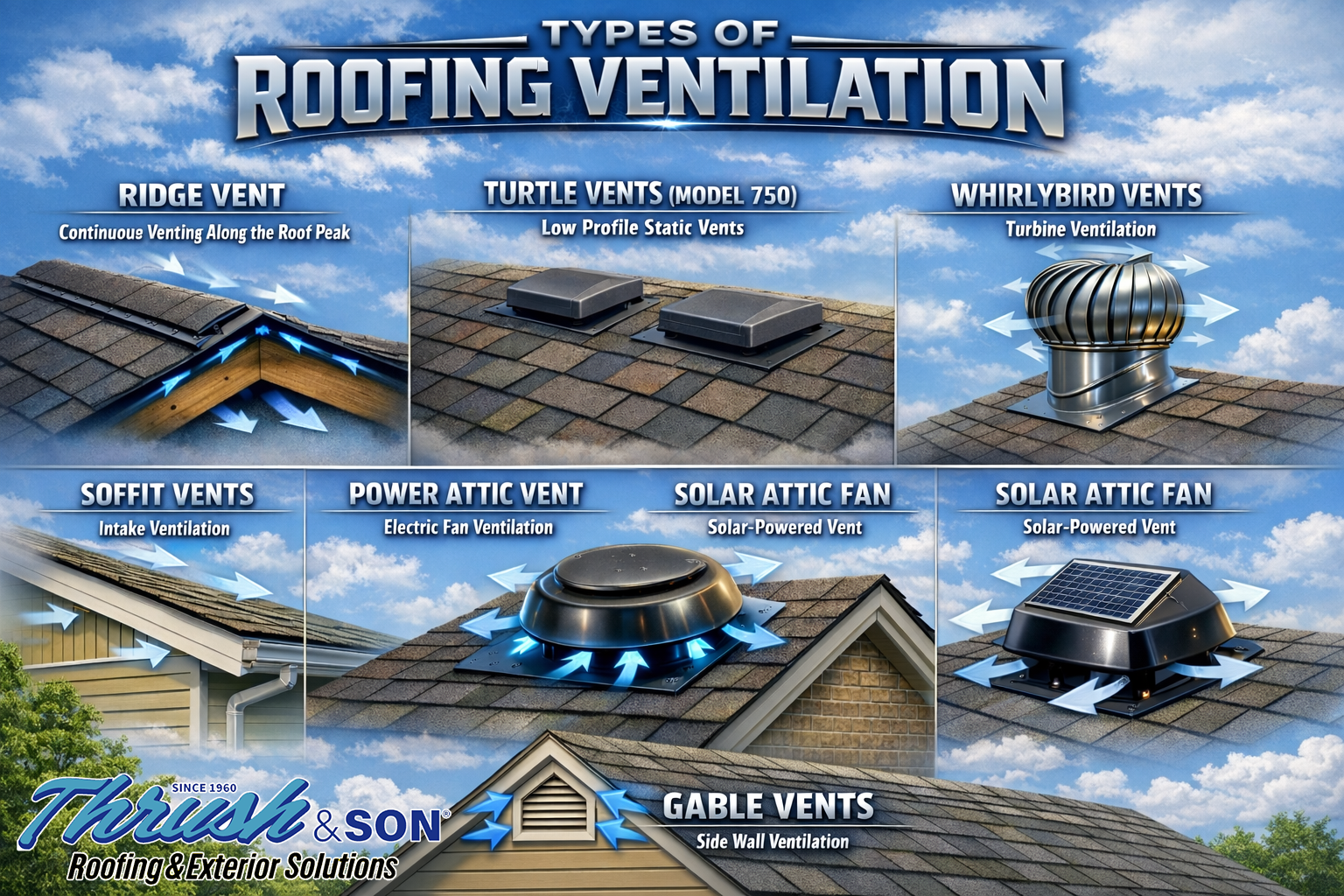
Ridge vents run along the peak of the roof, providing continuous exhaust for hot air and moisture. They’re low-profile, nearly invisible, and extremely effective—making them one of the most powerful attic ventilation options. When paired with adequate soffit intake, ridge vents create natural convection that keeps your attic cool and dry year-round.
2. Soffit Vents – Essential Intake for Balance
Soffit vents in the eaves allow cool outside air to enter the attic—completing the airflow cycle. Continuous soffit vents or individual vented soffits ensure even intake across the roof. Without proper soffit intake, attic ventilation fail—hot air has nowhere to escape, and ice damming risk skyrockets. Thrush & Son always verifies balanced intake and exhaust for maximum performance.
3. Gable Vents – Classic & Effective Exhaust
Gable vents on the end walls of the attic provide strong exhaust in gable-style roofs. Triangular or rectangular louvers allow hot air to exit while keeping pests out. They’re a reliable attic ventilation option for homes without ridge lines or when combined with soffit intake for full airflow.
4. Turbine Vents – Wind-Powered Exhaust Power
Turbine vents (whirlybirds) spin with wind to pull hot air out of the attic—powerful and energy-free. They’re especially effective in windy areas and make an excellent attic ventilation option for homes with limited ridge space or high heat buildup.
5. Power Attic Fans – Forced Airflow When Needed
Electric power fans (roof-mounted or gable) actively pull hot air out—ideal for attics with extreme heat or poor natural flow. Thermostat or humidity controls make them efficient. While not always the first choice when it comes to ventilation options , these are a game-changer for homes prone to moisture or heat issues.
6. Static Vents – Simple, Reliable Exhaust
Box vents, low-profile vents, or mushroom vents provide passive exhaust. They’re affordable, easy to install, and effective when spaced properly with intake vents. These classic attic ventilation options work well for smaller roofs or as supplemental exhaust.
7. Balanced System Design – The Real Power of Propper Ventilation
The true strength lies in combining attic ventilation: intake + exhaust in proper balance (typically 1:1 ratio). Thrush & Son designs systems that meet or exceed building codes and manufacturer requirements—preventing ice damming, extending shingle life, and lowering energy costs. Poor balance is the #1 reason why all attic ventilation options fail.
Built on Trust Since 1960

Since 1960, Thrush & Son® has delivered exterior craftsmanship rooted in integrity, precision, and performance that lasts. From roofing and siding to windows, doors, gutters, and attic ventilation, we protect homes and elevate them—season after season.