
Stop rot at the roof edge before it spreads
A soft board at the roof edge is a small problem today and a bigger one after the next Ohio winter.
Fascia is the long board that runs along the edge of your roof, right behind the gutters. It holds the gutters up, closes off the roof edge, and keeps water, wind and animals out of the attic. When it rots, everything attached to it starts to fail.
Thrush & Son has replaced fascia on Miami Valley homes since 1960. We take off the damaged boards, check the rafter tails behind them, install new boards that are fastened right, and wrap it in aluminum or PVC so it never needs paint again. Then we reset the gutters so water drains away from the house instead of into the wood.
Most of these jobs pair naturally with new soffit or exterior trim, and we handle all three in one visit.
- Wrapped to lastAluminum or PVC, no more painting.
- Often one dayFor limited sections of roofline.
- Since 1960Three generations, one family.
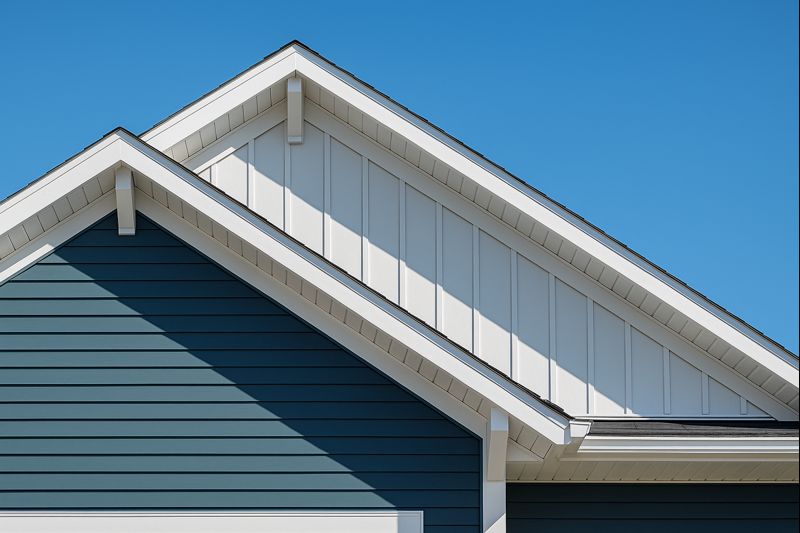
A small board with three big jobs
This trim rarely gets noticed until it fails. Here’s why it matters.
Holds the gutters
Gutters hang from this board. Soft wood loosens the hangers and the gutters start to sag and pull away.
Seals the roof edge
It closes the gap at the end of the rafters so wind-driven rain stays out of the roof and attic.
Keeps pests out
Birds, squirrels and insects look for soft spots and gaps along the roofline. Solid wood shuts the door.

Six signs your fascia needs attention
- Peeling paint or dark water stains along the roof edge
- Wood that feels soft or crumbles when pressed
- Gutters sagging, leaning or pulling away from the house
- Water spilling behind the gutters instead of through them
- Gaps, chewed holes or nests along the roofline
- Ice dams forming at the eaves every winter
Paint can hide these symptoms for a season, but it won’t firm up soft wood. If you spot two or more, it’s time for a closer look. Ice dams usually point to attic ventilation too, which our soffit team checks at the same visit.
Six steps from soft wood to a sealed roof edge
A new roof edge is only as good as what’s behind it and what hangs on it.
Inspect the roofline
We walk the whole roof edge, not just the bad spot, to find soft wood and hidden gaps.
Remove damaged boards
The old boards come off so we can see the rafter tails and roof deck edge behind it.
Fix what’s behind it
Soft rafter tails or framing get replaced so the new boards have something solid to fasten to.
Install new fascia
Properly sized boards go up straight and fastened to today’s standards.
Wrap and finish
We wrap the boards in aluminum or PVC so they won’t need scraping or painting.
Reset and seal gutters
Gutters go back up pitched to the downspouts and sealed, so water leaves the house the right way.
Built to handle Ohio freeze and thaw
Three ways to build a roof edge that stays solid and never needs paint.
-
Most chosen
Wood wrapped in aluminum
Solid wood boards covered in aluminum trim coil. Strong underneath, no paint on top, and the best match for Ohio freeze and thaw.
-
Low upkeep
Cellular PVC boards
PVC won’t rot or absorb water. A good fit where gutters overflow or boards stay damp.
-
Custom details
Engineered exterior trim
Engineered and composite trim for wider boards, crisp corners and decorative profiles on the roofline.
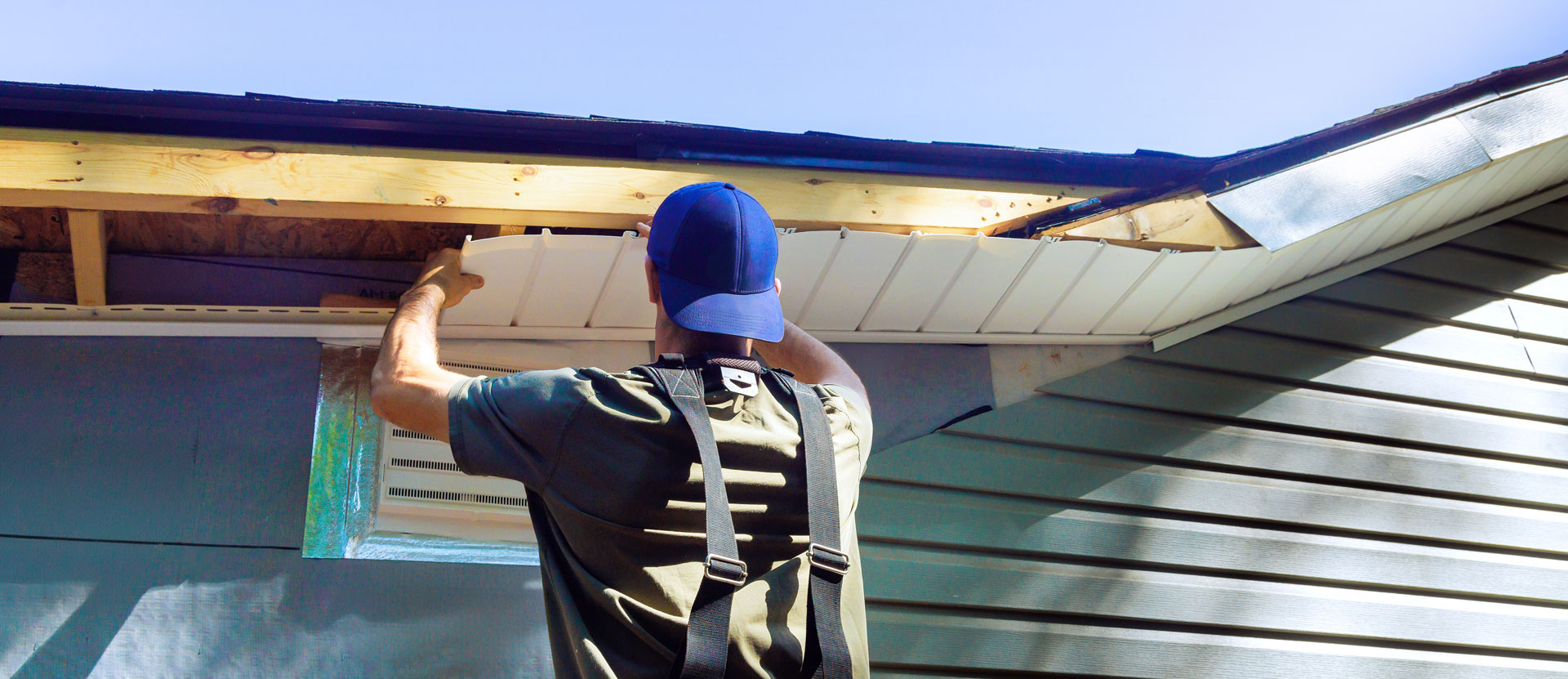
CertainTeed trim coil in your color
We wrap fascia with CertainTeed trim coil, .019″ aluminum that won’t rot or rust and cleans up with a hose. It forms around any board shape and carries a 10-year limited warranty.
We bend the coil on site with a brake so every corner, return and gable end fits tight. Seams overlap toward the ground so water runs off instead of in, and the finish is applied at the factory, so there’s nothing to paint or seal later.
Scroll through the colors below. We’ll match your gutters, soffit and trim, or use the roof edge to add contrast.
CertainTeed trim coil colors


Midnight Blue

Autumn Red

Black

Buckskin

Castle Stone

Charcoal Gray

Colonial White

Cypress

Desert Tan

Melrose

Musket Brown

Pacific Blue

Savannah Wicker

Slate

Snow White

Wedgewood Blue
Straight answers about your roof edge
What Dayton-area homeowners ask us most about their roof edge.
Freeze and thaw is what finishes off soft wood. The National Weather Service in Wilmington tracks the swings our area sees every winter.
Why is fascia replacement important?
It supports your gutters, protects the roof edge from water, and seals off gaps where pests can get into the attic. When it rots, gutters sag and water gets behind them.
Can I just paint over damaged fascia?
Paint can hide the symptoms for a while, but it won't firm up soft, rotten or warped boards. Damaged boards need to be replaced.
How long does a fascia project take?
Many homes are finished in a day when we're replacing limited sections. Full roofline jobs take longer, and we'll give you a timeline at your estimate.
Do you replace gutters at the same time?
Often, yes. The roof edge and gutters work as a system. We reset and seal your existing gutters, or install new ones if they're worn out.
What materials hold up best in Ohio weather?
For freeze-thaw cycles and heavy rain, we usually recommend solid wood fascia wrapped in aluminum or PVC, so the wood stays dry and never needs paint.
What colors can I choose?
We use CertainTeed trim coil in colors from Snow White and Colonial White to Charcoal Gray, Black, Musket Brown and Midnight Blue, so your roof edge can match or contrast with your gutters and siding.
Do you replace soffit too?
Yes. The two meet at the roof edge, so we often replace both in the same visit and check your attic ventilation while we're there.
Schedule your fascia estimate
Tell us what you’re seeing along the roofline. We’ll check the roof edge, gutters and soffit in one visit.
