
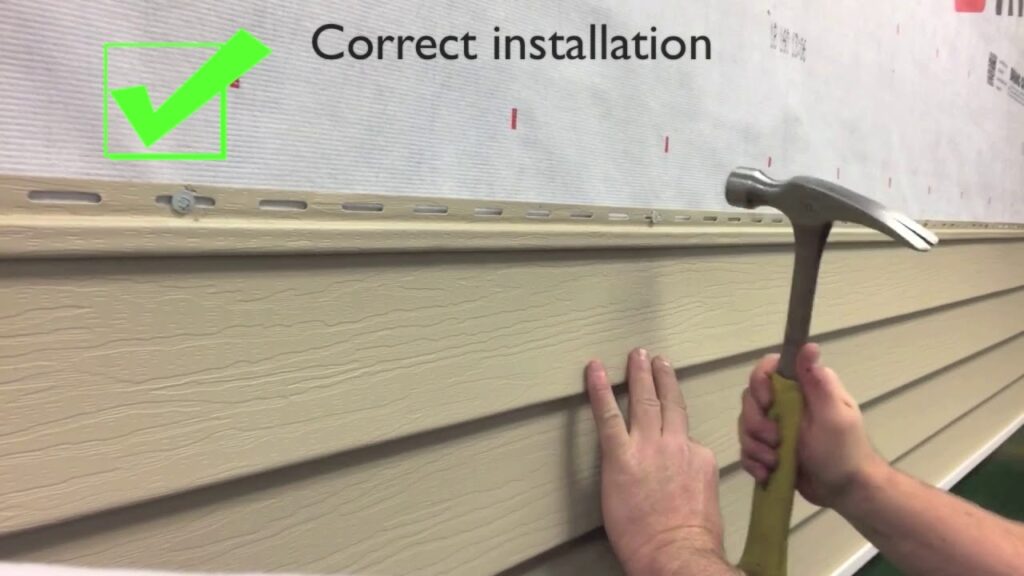
Oil canning occurs when vinyl siding is installed too tightly, preventing proper expansion and contraction.
Vinyl siding installation problems are one of the most misunderstood issues in exterior home improvement—and they cost homeowners thousands of dollars every year. If you’ve ever looked at your home and thought, “Didn’t we just paint this a few years ago?” you’re not alone. Most homes require repainting or re-staining every four to five years, and with today’s labor and material costs, that expense can easily reach $6,000 or more.
When homeowners start looking for a longer-term solution, vinyl siding often enters the conversation—and just as quickly gets blamed for issues it didn’t cause. The reality is simple: when vinyl siding looks bad, it’s almost always due to improper installation, not the product itself.
Why Vinyl Siding Installation Problems Get Blamed on the Product
Modern vinyl siding is engineered to be durable, low-maintenance, and long-lasting. Today’s products are far superior to what was available decades ago. However, vinyl siding is a system—and that system only performs as intended when installed correctly.
Many of the most common vinyl siding installation problems stem from rushed jobs, cost-cutting, or installers ignoring manufacturer specifications. When that happens, the siding becomes the scapegoat instead of the workmanship.
What “Oil Canning” Really Means
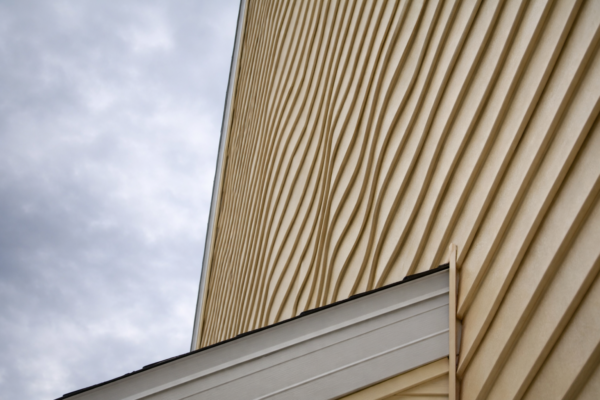
Oil canning caused by vinyl siding installation problems, including improper fastening and restricted panel movement.
One of the most visible vinyl siding installation problems is a phenomenon known as oil canning. This is when siding panels appear wavy, rippled, or distorted—especially in direct sunlight.
Oil canning is not exclusive to vinyl siding. It can occur with metal panels and other exterior materials as well. In vinyl, it is usually caused by:
- Uneven wall framing
- Improper sheathing or furring
- Siding installed too tightly
- Thin, builder-grade panels
According to the Vinyl Siding Institute, proper installation techniques are critical to allowing siding panels to expand and contract naturally with temperature changes.
Thickness and Quality Play a Role
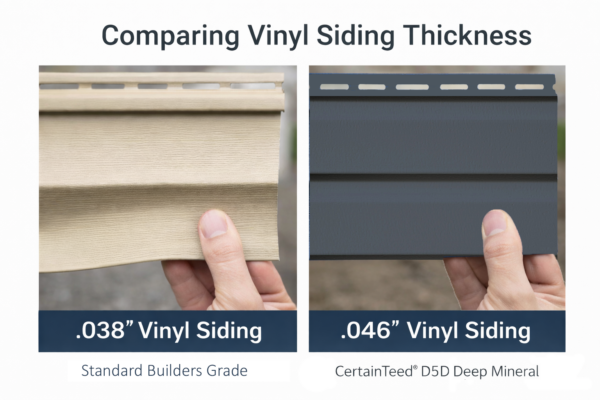
Thinner .038 vinyl siding panels flex more easily, while a .046 D5 panel maintains its shape when properly installed.
Not all vinyl siding is created equal. The industry minimum thickness is typically .035, which is common in builder-grade construction. Higher-end siding products range up to .055 thickness, offering increased rigidity, better wind resistance, and improved curb appeal.
While thicker panels are more forgiving, even premium materials will fail visually if vinyl siding installation problems occur during fastening or layout.
The Installation Detail That Causes Most Vinyl Siding Installation Problems
Vinyl siding is not designed to be installed tight to the wall. Each fastener should be placed in the center of the nailing slot, leaving approximately 1/16” to 1/32” of space between the nail head and the siding flange—about the thickness of a dime.
This small detail allows the siding to move as temperatures rise and fall. When installers drive nails tight or miss the slot entirely, the siding cannot move. The result is buckling, distortion, and long-term performance issues.
Expansion and Contraction Are Normal
Vinyl siding expands in warm weather and contracts in cold weather. This is expected behavior. When installed properly on a well-prepared wall, this movement is invisible and harmless.
When vinyl siding installation problems occur, however, that natural movement becomes visible—and expensive to fix after the fact.
Why Proper Installation Protects Your Home’s Value
Homeowners often choose vinyl siding to reduce maintenance and avoid the endless paint cycle. When installed correctly, vinyl siding delivers on that promise.
Improper installation doesn’t just affect appearance—it can impact resale value, curb appeal, and long-term durability. That’s why choosing an experienced contractor matters just as much as selecting the right product.
If you’re considering exterior upgrades, understanding return on investment is critical. Our guide on home improvement ROI in Ohio and Northern Kentucky breaks down which projects protect your investment and which mistakes cost homeowners the most.
The Bottom Line
When you see siding that looks warped or uneven, remember this: vinyl siding installation problems are almost never the fault of the material. In nearly every case, the issue traces back to improper installation practices.
Vinyl siding, installed correctly, remains one of the most reliable and cost-effective exterior solutions available today. Installed poorly, it becomes a $6,000 lesson in why craftsmanship matters.
More Expert Insights
If you want your home to feel comfortable—not drafty or inconsistent—read our guide on window condensation in Ohio. It explains what’s normal, what’s a red flag, and when it’s time to repair or replace, so small issues don’t turn into big problems.
Stay Connected
Connect with W. Allen Thrush on LinkedIn for leadership and legacy insights.
Follow Corey Thrush on LinkedIn for innovation and vision.
Join our homeowner family on Facebook for real stories.
Explore behind-the-scenes craftsmanship on Instagram.
Get pro tips and updates on X.
Visit our LinkedIn Business Page for company news and awards.
Miami Valley’s Trusted Roofing & Exterior Pros
Thrush & Son® roofing and exterior solutions proudly serve Dayton and Cincinnati. A Best of Dayton 2024 and 2025 winner, GAF Master Elite and President’s Club contractor, and BBB Accredited A+ business, Thrush & Son® delivers roofing, siding, windows, doors, gutters, and storm restoration with craftsmanship you can count on. Family-owned and Miami Valley proud, we’re the team homeowners trust to get it done right the first time.
