R-Value vs. U-Factor: What Those Window Numbers Really Mean 🪟📉
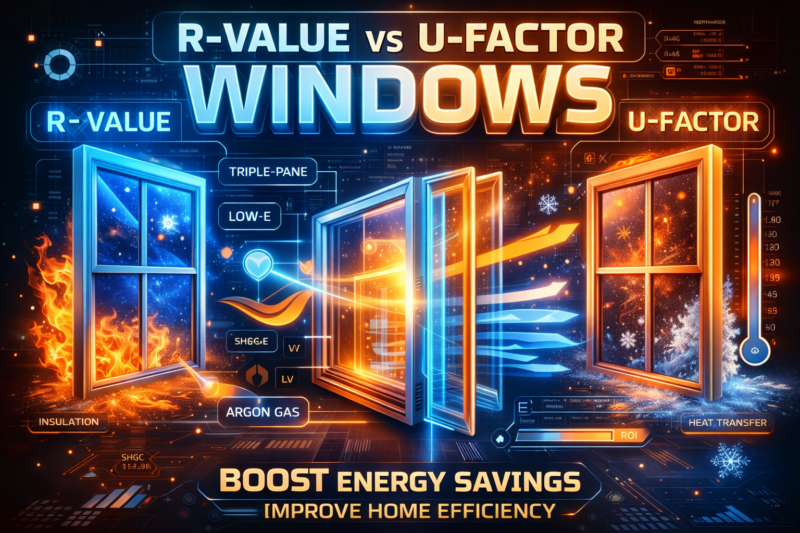
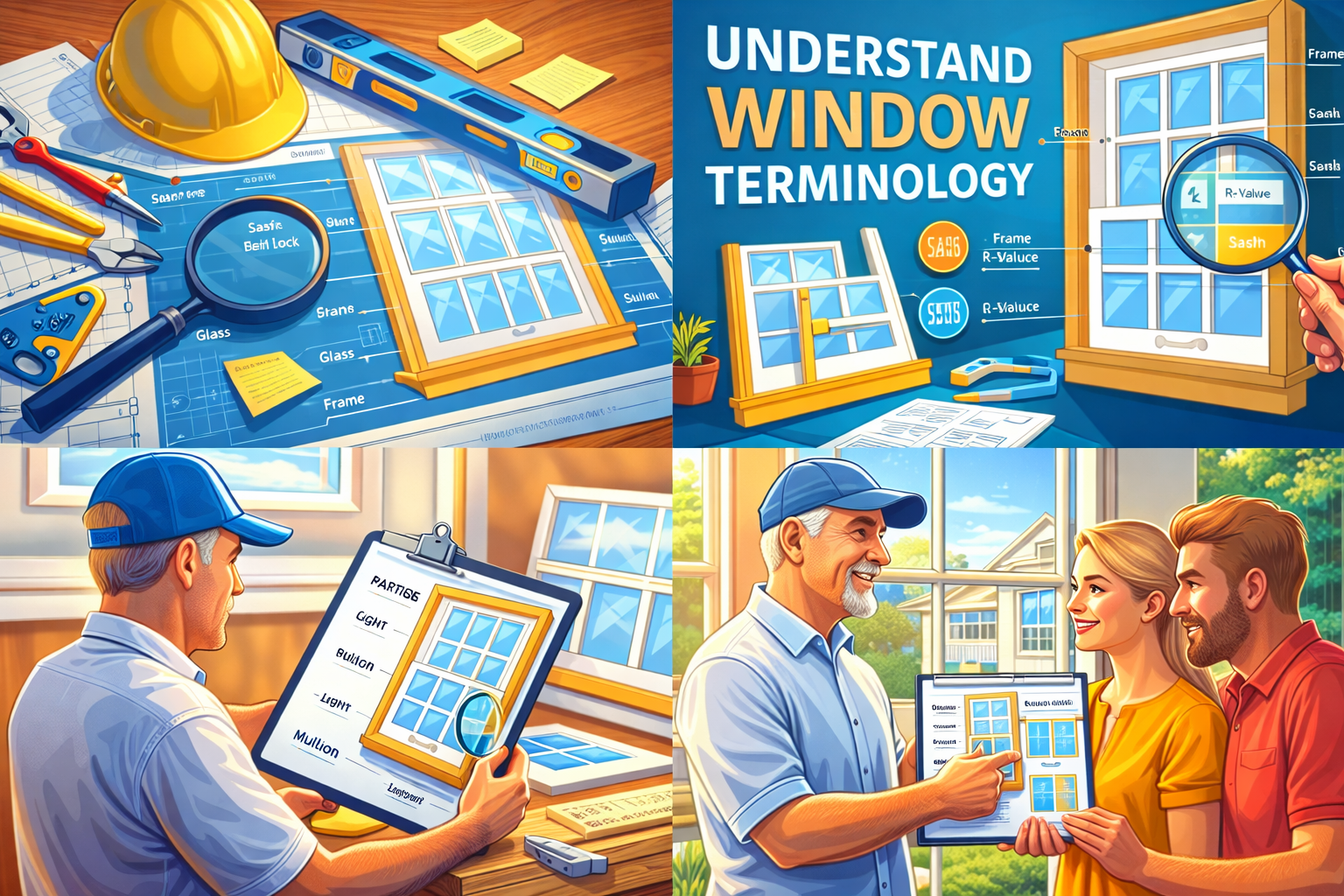
R-Value vs U-Factor windows explained visually—how insulation, heat transfer, and modern glass technology help homeowners save energy.
R-Value vs U-Factor windows is one of the most confusing—but important—topics homeowners face when comparing energy-efficient replacement windows. As a homeowner, you’ve probably asked yourself: “What the heck does R-value mean?” 🤔 Or “Is R-value more important than U-factor?” And if you’re like most people, you eventually land here: “Just give me the best bang for my buck and help cut my energy costs.” 💸✅
At Thrush & Son®, one of our main goals is to help you choose a product that actually performs—and to explain the numbers in plain English so you feel confident about what you’re investing in. Let’s break it down, tighten it up, and make it useful (and maybe even a little fun). 😄
📌 Table of Contents
- 🧱 What R-Value Really Means
- 🌡️ What U-Factor Measures (and Why It Matters More for Windows)
- ⚖️ So… Which One Matters More?
- ✨ The “Hidden” Ratings Most Homeowners Miss
- 🔍 Glass Packages: Double vs. Triple Pane, Low-E, Argon & Krypton
- 💰 Real-World Savings: What Efficient Windows Can Do
- 📈 ROI: What You Get Back at Resale
- 🚀 Next Steps (No Pressure, All Clarity)
🧱 What R-Value Really Means
R-value is simple: it’s a material’s resistance to heat flow. The higher the R-value, the better the insulation. ✅
You’ll hear R-values a lot in products like attic insulation, wall assemblies, and doors—because those areas are built with thick layers designed to slow heat transfer.
For windows, though, things are different. A window is a system—glass, spacers, frames, seals—and it’s much thinner than a wall. That’s why the window world usually talks in a different number…
🌡️ What U-Factor Measures (and Why It Matters More for Windows)
U-factor measures how quickly heat moves through a window system. Think of it as the opposite of insulation performance:
lower U-factor = less heat loss = better energy efficiency. 🔥⬇️
If you want the official definitions (and the testing standards behind them), these are two solid sources:
✅ U-factor explanation (DOE Energy Saver): Energy Performance Ratings for Windows, Doors, and Skylights
✅ Independent label system used across the industry (NFRC): Understanding Window U-Factor (NFRC)
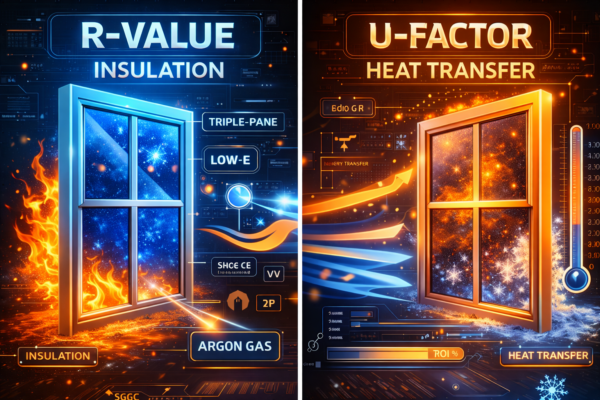
R-Value vs U-Factor windows comparison showing how insulation and heat transfer work together to improve energy efficiency and comfort.
⚖️ R-Value vs U-Factor Windows: What Homeowners Need to Know and Which One Matters More?
Here’s the honest answer: both matter—but U-factor tends to be more useful for comparing window performance. 🪟✅
R-value can still be helpful, but U-factor is the standard measurement you’ll see on window labels because it represents how the entire unit performs (glass + frame + spacer), not just one component.
Translation: if you’re comparing two windows and you want better efficiency, look for the lower U-factor—and then confirm you’re getting the right glass package for your climate.
✨ The “Hidden” Ratings Most Homeowners Miss
If you really want to shop like a pro, don’t stop at R and U. Here are three more ratings that make a huge difference:
- SHGC (Solar Heat Gain Coefficient): How much solar heat comes through the glass. Lower SHGC helps keep you cooler in summer. ☀️❄️
- VT (Visible Transmittance): How much natural light gets through. Higher VT = brighter rooms. 🌤️
- Air Leakage (AL): How much air sneaks in around the unit. Lower is better for draft control. 💨🚫
Want the deeper breakdown of window technologies straight from DOE? Window Types and Technologies (DOE)
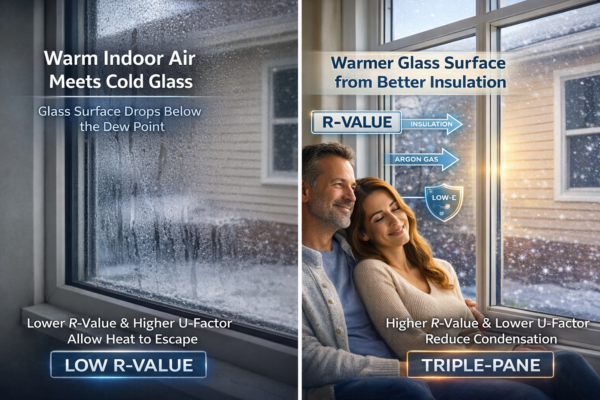
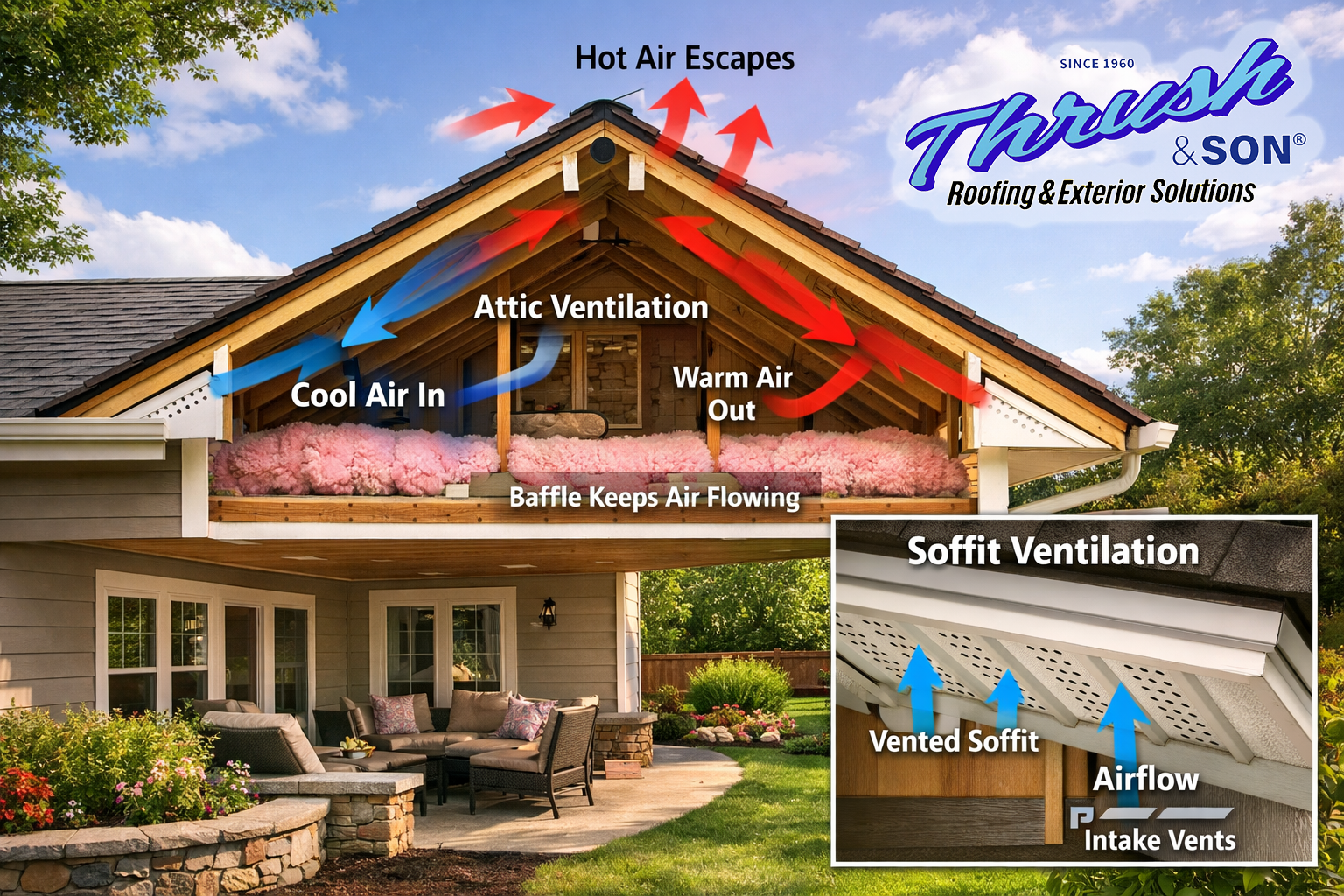
R-Value vs U-Factor windows showing why condensation forms on cold glass and how better insulation keeps window surfaces warmer
🔍 Glass Packages: Double vs. Triple Pane, Low-E, Argon & Krypton
Now for the “best bang for your buck” part 💥💰—because yes, there are multiple glass packages and some can be overkill depending on your home and budget.
Most homeowners are choosing between:
Single-pane (older homes) → lowest performance ❌
Double-pane → best value in many Midwest homes ✅
Triple-pane → max comfort + premium efficiency 🏆
Then you layer in performance upgrades:
- Low-E coatings: reflect heat and help protect interiors. DOE notes low-E can reduce UV fading significantly (up to ~75% for furnishings). 🛋️🛡️
- Argon gas: improves insulation between panes (common, cost-effective). ✅
- Krypton gas: higher performance (often used in narrower gaps or premium packages). 🦸♂️
- Warm-edge spacers: reduce heat transfer at the edges and help with condensation performance. 🧊➡️🚫
For a clear, homeowner-friendly overview of how coatings, spacers, and frames work together, this DOE guide is excellent: Guide to Energy-Efficient Windows (DOE PDF)
If you’re comparing styles, finishes, and performance options, our Home Exterior Design Center lets you visualize upgrades before making a decision.
💰 Real-World Savings: What Efficient Windows Can Do
Let’s talk numbers—because comfort is great, but savings are what makes the upgrade feel smart. 😎📉
ENERGY STAR has published national savings estimates showing homeowners can save roughly $125–$340 per year when replacing single-pane windows with ENERGY STAR-qualified models (savings vary by home and climate).
Source: ENERGY STAR Windows Cost & Energy Savings (PDF)
That’s why “new windows” can be a real quality-of-life upgrade: fewer drafts, fewer hot spots, better humidity control, and an HVAC system that doesn’t have to work overtime. 🙌
📈 ROI: What You Get Back at Resale

ROI (Return on Investment) shows how much value you get back from what you put in—turning confusion into confidence when making smart home upgrades.
ROI is not a funky 90’s pop group 😄🎶—it’s Return on Investment, meaning how much value you retain when you sell.
According to the 2025 Cost vs. Value Report, vinyl window replacement retains about 76% of its cost at resale on the national average. ✅
Source: 2025 Cost vs. Value Report (JLC / Zonda)
Bottom line: windows aren’t just “an expense.” They’re a comfort upgrade you live with every day—and a strong value signal when it’s time to sell. 🏡💪
🚀 Next Steps (No Pressure, All Clarity)
If you’re thinking about upgrading, here’s the smartest way to move forward:
- ✅ Identify your current window issues (drafts, fogging, hard-to-open, rising bills)
- ✅ Compare glass packages based on your home + budget
- ✅ Confirm ratings (U-factor, SHGC, AL) and warranty details
- ✅ Choose an installer who treats the job like a system—not a swap
Ready to explore options with a pro? Start here: Windows by Thrush & Son®
Or schedule directly: Request a Free Estimate
🏈 More Expert Insights
If you want your gatherings to feel warm—not foggy, damp, or drafty—read our guide on window condensation in Ohio. It breaks down what’s normal, what’s a red flag, and when it’s time to repair or replace—so your windows don’t steal the comfort you’re trying to create.
Explore More Homeowner Tips on Our Blog
🔗 Stay Connected
➡️ Connect with W. Allen Thrush on LinkedIn for leadership & legacy insights.
➡️ Follow Corey Thrush on LinkedIn for innovation and vision.
➡️ Join our homeowner family on Facebook for real stories.
➡️ Explore behind-the-scenes craftsmanship on Instagram.
➡️ Get pro tips and updates on Twitter (X).
➡️ Visit our LinkedIn Business Page for company news, awards, and opportunities.
Follow along this season for real projects, real craftsmanship, and real advice—built for homeowners who want the job done right the first time. ✅🏡
🛠️ Miami Valley’s Trusted Roofing & Exterior Pros
Thrush & Son® roofing & exterior solutions—Dayton and Cincinnati. Best of Dayton 2024 & 2025 winner, GAF Master Elite & President’s Club, BBB Accredited A+. Family-owned and Miami Valley proud, Thrush & Son® is the trusted choice for exterior renovations across Dayton and Cincinnati.
From full roof replacements and repairs to storm damage inspections, siding, windows, doors, seamless gutters, and gutter guards—we handle single-family and multi-family projects with craftsmanship you can count on.
When your home needs a pro, call the team your neighbors recommend: 937.833.5136 📞